




Delhi Tops Global Pollution Charts as Capital Braces for Smog-Choked Diwali
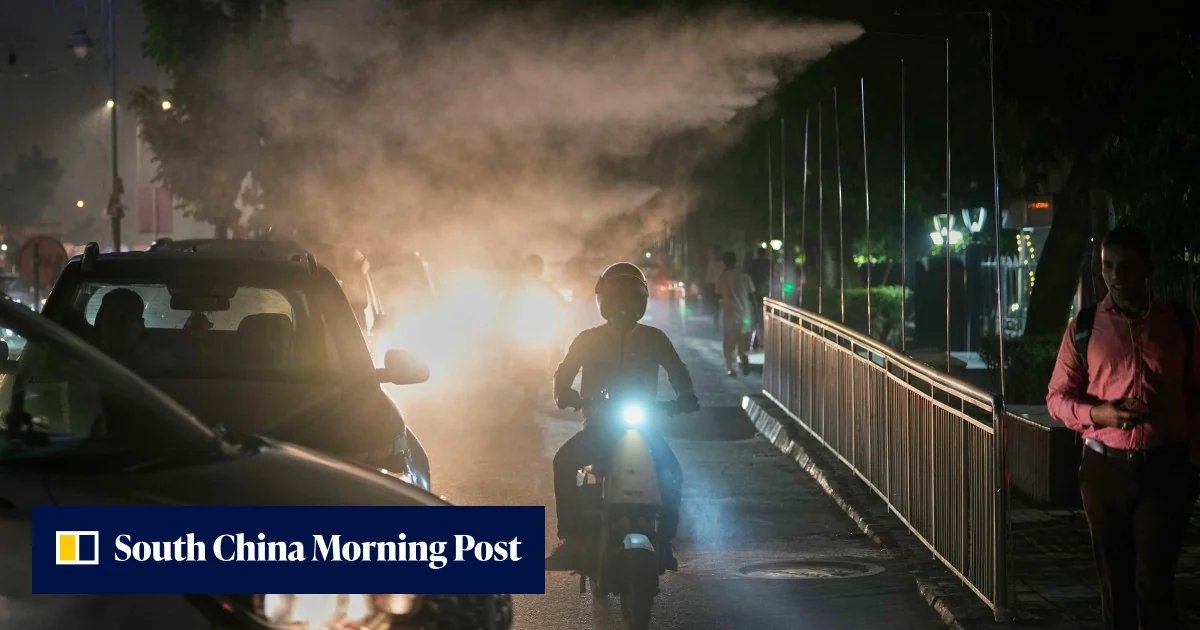
New Delhi woke up to a blanket of toxic haze on Saturday, reclaiming its unfortunate position as the world’s most polluted major city. As residents prepared for the upcoming Diwali festival, air quality monitors painted a grim picture, with the city’s pollution levels significantly eclipsing those of other major global hubs.
According to real-time data provided by the Swiss air quality monitoring group IQAir, New Delhi recorded an Air Quality Index (AQI) of 581 as of Saturday morning. This reading placed the Indian capital at the top of the global rankings, with its pollution severity more than double that of Lahore, Pakistan, which followed with an AQI of 285. The hazardous concentration of fine particulate matter (PM2.5) has rendered the atmosphere in the capital perilous for the millions who call the city home.
Emergency Measures and Official Response
In anticipation of the worsening conditions, authorities have scrambled to implement emergency mitigation strategies. Recognizing the health risks posed by the current atmospheric stagnation, the administration has directed schools in the National Capital Region to shift to online learning modes. This move aims to minimize the exposure of children—a particularly vulnerable demographic—to the thick smog that has engulfed the city.
Furthermore, officials have strongly encouraged private and public sector employees to embrace work-from-home arrangements where possible. These measures are designed to reduce vehicular congestion on the roads, which is a significant contributor to the city’s toxic air mix. By curbing traffic and school-related travel, the government hopes to alleviate the pressure on the already deteriorating air quality.
A Festival Under a Cloud
The timing of this pollution surge is particularly concerning as it arrives just 24 hours before Diwali, the Hindu festival of lights. Traditionally, the celebration involves the widespread bursting of firecrackers and the lighting of oil lamps. While environmentalists and health experts have repeatedly appealed for a “green Diwali,” the combination of celebratory firecrackers and the annual seasonal drop in wind speed often triggers a catastrophic spike in pollution levels.
The intersection of meteorological factors—such as the onset of winter and the lack of air movement—with human activity creates a “gas chamber” effect in Delhi. The burning of agricultural waste in neighboring states, coupled with local construction dust and vehicle emissions, has compounded the crisis.
As the capital enters the festive night, medical experts continue to sound the alarm, advising residents, especially the elderly and those with respiratory ailments, to remain indoors and utilize air purifiers. The city now faces a critical 48-hour window where the potential for further environmental degradation remains high. Whether the appeal for restraint during this year’s celebrations will be heeded remains to be seen, but for now, Delhiites are looking toward a holiday defined more by a struggle for clean air than by the customary display of light and joy.
Disclaimer: This content is auto-generated for informational purposes only.
Source: Read Original News