








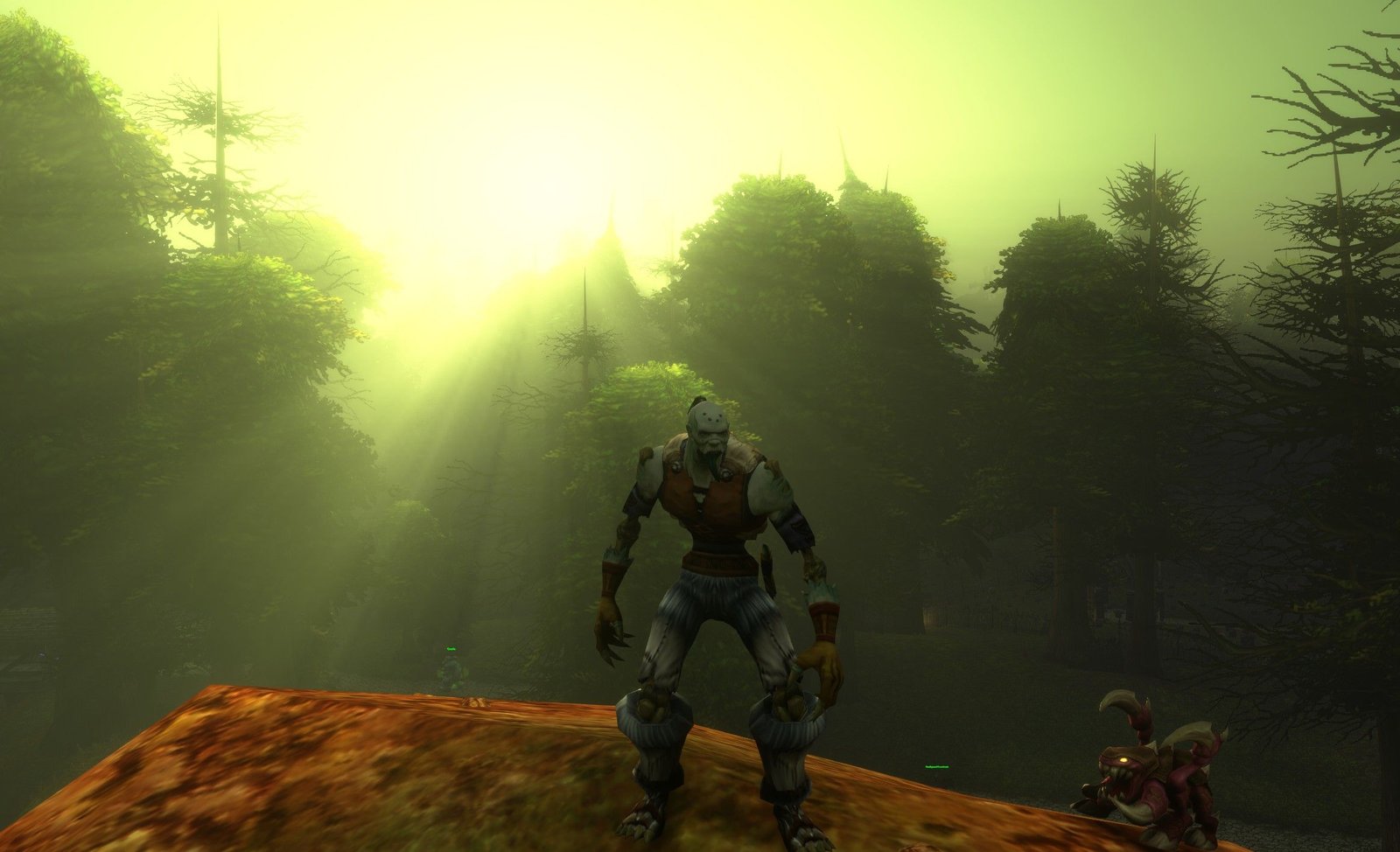
The longevity of the World of Warcraft franchise has reached a new, unprecedented milestone. Blizzard Entertainment has officially confirmed that its latest iteration, World of Warcraft: Forever, has achieved the most successful launch in the history of the legendary massively multiplayer online role-playing game (MMORPG). By surpassing the peak concurrent player records set by the iconic Wrath of the Lich King expansion nearly two decades ago, Forever has solidified its position as a dominant force in the gaming industry.
A Historic Surge in Player Engagement
The data released by Blizzard via their official social media channels paints a picture of a revitalized community. Beyond securing the highest peak concurrent player count in the franchise’s history, the launch of World of Warcraft: Forever has also seen the highest volume of returning players ever recorded for the game. This influx of both veterans and newcomers underscores a significant shift in the appetite for the type of experience the title offers.
For a game that has maintained a consistent presence in the digital landscape for twenty years, such growth is highly unusual. The performance of this launch suggests that the strategic decision to pivot toward a more classic, immersive design philosophy has struck a chord with the player base.
Technical Foundations and Design Philosophy
Unlike the “retail” version of World of Warcraft, which has evolved over many years into a high-octane, arcade-style experience, World of Warcraft: Forever serves as a deliberate return to the roots of the genre. The technical framework of this release emphasizes friction, environmental immersion, and a methodical progression system that rewards patience and strategic planning.
The development team behind Forever has stripped away much of the “convenience”-oriented automation that defined recent years of the retail version. By reducing the reliance on automated systems and emphasizing organic player-to-player social interactions, the game reconstructs the sense of community that originally defined the MMORPG genre. Furthermore, the experience is set within an “alternative timeline,” offering thousands of new quests and storylines that take place shortly before the events of the original 2004 base game, providing a fresh narrative perspective while remaining grounded in the lore players recognize.
Bridging the Gap Between Platforms
The success of this launch arrives at a pivotal time for the publisher. Since the acquisition of Activision Blizzard by Microsoft, there has been consistent industry speculation regarding the expansion of the Warcraft ecosystem. Currently, the game remains confined to PC and select cloud streaming services, such as NVIDIA GeForce Now. However, the immense success of Forever serves as a powerful proof-of-concept for the viability of the brand across broader platforms, including potential future ports to Xbox consoles.
The robust retention metrics indicate that the Warcraft intellectual property remains a pillar of the PC gaming sector. Whether this momentum will influence the development of console-native versions remains the subject of ongoing discussion, but the current engagement levels certainly provide the necessary data for Microsoft to justify expanded platform support.
Competitive Landscape and Market Impact
In an industry currently dominated by free-to-play models and service-based games that frequently fluctuate in popularity, the stability of a paid, subscription-based model like World of Warcraft is notable. The game remains one of the few premium experiences capable of maintaining such a massive, active, and paying user base.
The decline in the “retail” version of the game, characterized by a focus on data-driven, rapid-fire content cycles, has previously led to widespread frustration among long-term fans. The success of Forever represents a distinct market rejection of those design choices. It serves as evidence that players prioritize depth, world-building, and quality-of-life improvements that foster genuine community interaction over the streamlined, repetitive endgame mechanics that have dominated the genre for the past decade.
Future Outlook for the Franchise
While World of Warcraft: Forever continues to set records, the core “retail” development team faces the challenge of reconciling their current trajectory with the overwhelming success of this alternative vision. The divergence between the two products is stark; Forever focuses on a slowed-down, immersive experience, while the retail arm continues its work on the Midnight expansion.
For Blizzard, the path forward appears to be a dual-track approach. By maintaining a separate team dedicated to the Forever philosophy, they can address the needs of players who grew weary of the retail version’s pace, while simultaneously iterating on the modern content that still maintains a significant, albeit different, audience. Whether Forever can maintain this historical momentum will depend on the team’s ability to continue delivering polished, meaningful updates that honor the slow-burn, high-reward design that has brought such a massive audience back to the fold.
Disclaimer: This content is auto-generated for informational purposes only.
Source: Read Original News