






As delegates from nearly 200 nations gather in Antalya, Turkey, for the latest round of UN climate negotiations, the atmosphere both inside and outside the conference halls is defined by a palpable sense of urgency. The summit, intended to bridge the chasm between ambitious international targets and tangible emission reductions, is unfolding against a backdrop of intensifying climate-induced catastrophes that are reshaping the global landscape.
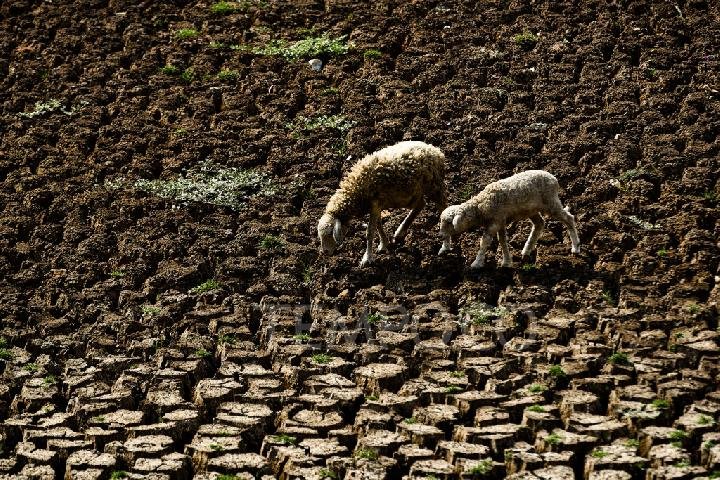
From record-breaking heatwaves scorching parts of Europe and Asia to devastating floods and prolonged, unprecedented droughts across the African continent and the Americas, the environmental toll of a warming planet is no longer a future projection. It is a daily reality. For the negotiators tasked with finalizing the operational details of the Paris Agreement’s next phase, these extreme weather events serve as a sobering backdrop, stripping away the comfort of long-term planning and replacing it with an immediate need for crisis intervention.
The situation in Antalya reflects the growing anxiety among developing nations, which are bearing the brunt of climatic instability despite contributing the least to historical greenhouse gas emissions. Representatives from these regions have arrived with a singular, unified demand: the acceleration of climate finance. The current climate financing mechanisms, many argue, are woefully inadequate to address the rapid onset of “loss and damage”—the irreparable destruction caused by climate change that goes beyond what can be mitigated or adapted to.
“We are no longer discussing whether we have time to act,” remarked a delegate from a coastal nation currently grappling with rising sea levels and saltwater intrusion in agricultural zones. “The events of this past year have demonstrated that our infrastructure, our food systems, and our economies are fundamentally unprepared for the frequency and intensity of these disasters.”
The scientific data supporting these concerns remains stark. Reports published alongside the commencement of the talks indicate that 2026 is on track to rank among the hottest years on record, driven by a combination of persistent human-induced warming and erratic weather patterns. Experts emphasize that the window to limit global temperature rise to 1.5 degrees Celsius is closing rapidly, necessitating not just incremental policy changes, but a radical transformation of global energy systems and industrial practices.
However, the path to consensus remains fraught with geopolitical tension. Wealthy industrialized nations are under pressure to fulfill and surpass previous financial pledges, while emerging economies are facing scrutiny regarding their own reliance on fossil fuels. The debate in Antalya is testing the limits of international cooperation, as delegations struggle to reconcile domestic economic interests with the existential imperative of global environmental stability.
Beyond the formal negotiations, the presence of civil society organizations and youth activists outside the venue underscores the disconnect between political timelines and environmental reality. Their slogans, echoing the distress of flooded cities and dried-up riverbeds, serve as a constant reminder to the delegates that the consequences of failure will be measured in human lives, displaced communities, and the irreversible loss of biodiversity.
As the talks progress through the coming days, the primary challenge for the Turkish hosts and the UN climate secretariat will be to channel this collective sense of alarm into a framework that delivers genuine outcomes. The world is watching to see if the Antalya summit will be remembered as another forum of rhetorical commitment, or as the turning point where the international community finally synchronized its policy output with the escalating frequency of a planet in distress. With each day of deadlock, the cost of inaction continues to rise, making the need for a cohesive, action-oriented agreement more critical than ever.
Disclaimer: This content is auto-generated for informational purposes only.
Source: Read Original News