



The Unfolding Crisis of BioWare and the Future of Interactive Storytelling
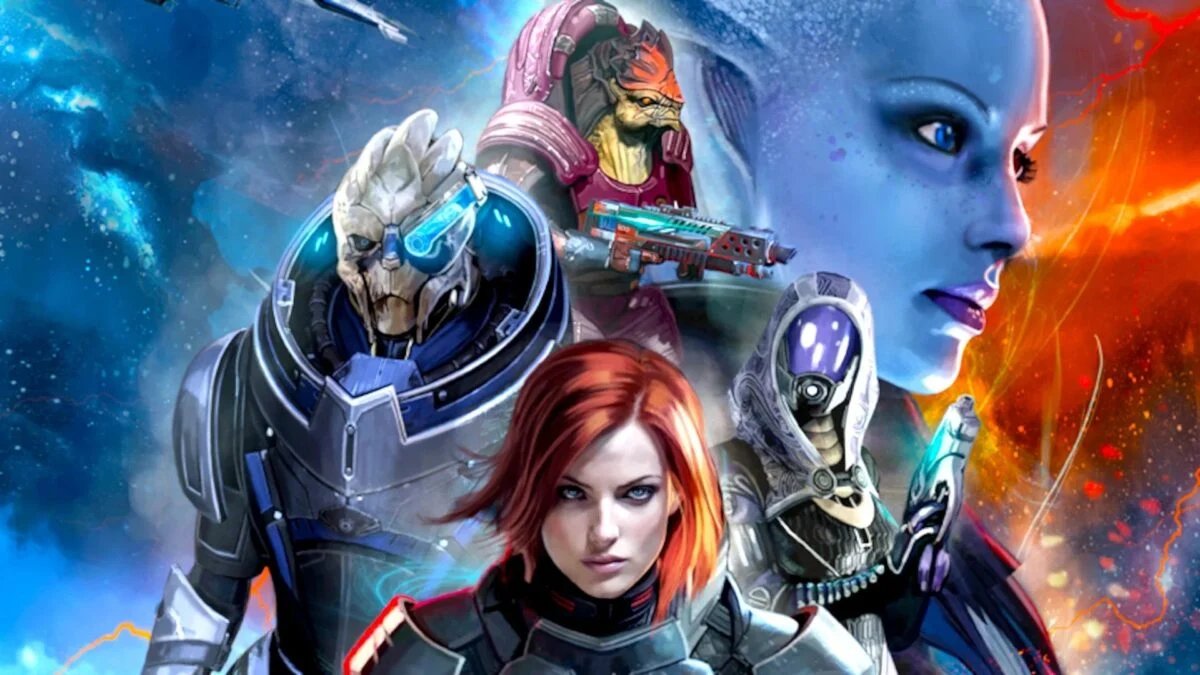
The gaming industry is currently witnessing a historic mobilization of fans, developers, and political figures following the abrupt closure of BioWare. Once considered the vanguard of narrative-driven role-playing games, BioWare’s shuttering by Electronic Arts (EA) has triggered a massive, global push to preserve the legacy and future potential of the Mass Effect franchise. This development follows a period of corporate restructuring under a new consortium of private equity stakeholders, leading to the dismissal of the teams responsible for some of the most influential titles in digital entertainment.
The closure of the Edmonton-based studio arrived with minimal warning, just weeks before N7 Day—a date traditionally reserved for celebrating the Mass Effect series. Instead of a celebration, November 7th, 2026, became a day of mourning and public outcry. The situation serves as a critical case study in the vulnerability of long-running intellectual properties when subject to aggressive corporate consolidation and the subsequent loss of the original talent pool that defined them.
The “Save Mass Effect” Movement and Industry Solidarity
The movement to “Save Mass Effect” has transcended the typical boundaries of online fandom. It has evolved into a sophisticated campaign involving high-visibility physical protests and professional advocacy. Beyond simple social media hashtags, organizers have secured billboard space in prominent locations, including New York City’s Times Square. Additionally, mobile billboards have been deployed to key locations in Texas, California, and the Edmonton region, creating a physical presence that forces EA to acknowledge the persistent demand for the franchise’s continuity.
Industry solidarity has been a defining feature of this mobilization. Sam Hulick, a core contributor to the musical identity of the original Mass Effect trilogy, issued a public statement alongside various cast members, emphasizing that the narrative arcs and the creative vision of the studio were cut short prematurely. This support has been bolstered by developers from other major studios, such as Owlcat Games, who have highlighted the importance of preserving the continuity of established sci-fi universes. This cross-pollination of support suggests that the community views the preservation of BioWare’s work as a matter of cultural heritage rather than mere consumer interest.
Political Involvement and Economic Implications
In an unprecedented turn, the future of a gaming studio has entered the realm of national policy discussions in Canada. The New Democratic Party (NDP), led by Avi Lewis, has expressed significant concern regarding the loss of such a major cultural and economic asset. The discussion centers on the role of the government in protecting domestic businesses from the consequences of foreign private equity acquisitions.
Legislators, including Member of Parliament Don Davies, have argued that the gaming industry represents one of Canada’s most vital cultural exports. Proposals have surfaced suggesting that the federal government could play a more active role in facilitating the survival of these creative entities, potentially through funding or direct intervention to ensure the retention of talent within the country. This discourse signals a shift in how political figures view video game development, transitioning from seeing it as a minor entertainment sector to recognizing it as an integral pillar of the modern knowledge economy.
Technical Preservation and the Fight for Intellectual Property
A central theme in the current crisis is the concern over how intellectual property is managed during corporate dissolution. As EA moves to reclaim or sequester assets related to the Mass Effect universe, fans are pushing for the “back catalog” to remain accessible and supported. While EA has announced initiatives regarding the restoration of historical game archives, these efforts have been largely overshadowed by the backlash surrounding the studio closure.
For the gaming community, the “Save Mass Effect” movement is fundamentally about data and narrative preservation. The fear is that the cancellation of active development projects—such as the leaked materials regarding a new entry in the series—will result in the permanent loss of the creative framework built by the former BioWare staff. The focus on high simultaneous player counts for the original games is a tactical effort to demonstrate that the value of these properties remains high, providing a data-backed incentive for any potential corporate decision-makers to consider re-licensing or continuing the project.
The Impact of Private Equity on Creative Pipelines
The current situation highlights the inherent friction between the creative development of complex, story-heavy games and the demands of private equity ownership. Large-scale RPGs require long development cycles and deep, institutional knowledge of the story and mechanics. The closure of BioWare represents a breakdown in this pipeline, where the efficiency demands of the parent company appear to have superseded the long-term value of the franchise’s creative continuity.
As the industry moves forward, the “Save Mass Effect” campaign stands as a warning to other stakeholders. The success—or failure—of this movement to force a change in the studio’s fate will likely dictate how future fan bases approach similar corporate acquisitions. Whether or not a new iteration of Mass Effect eventually sees the light of day, the mobilization has successfully established a template for how a global community can pressure major corporations to account for the human and artistic costs of studio closures. For now, the future remains uncertain, but the demand for the continuation of the Commander Shepard legacy remains a significant, unignorable force in the technology and entertainment landscape.
Disclaimer: This content is auto-generated for informational purposes only.
Source: Read Original News