


The box office is no longer just breathing; it’s roaring. In an era where the “big screen experience” is constantly being questioned by the convenience of streaming, Nitesh Tiwari’s Ramayana: Part 1 has arrived like a thunderclap to remind the world why we still queue up for midnight shows. As the dust settles on a record-shattering Diwali weekend, it’s becoming increasingly clear that this isn’t just another blockbuster—it’s a cultural phenomenon that has single-handedly recalibrated the stakes for Indian cinema in 2026.
With a staggering Rs 500 crore global haul in just four days, the film has pulverized the myth that pre-Diwali releases are destined to underperform. Instead, audiences have flocked to theaters with a religious fervor, turning cinemas into modern-day temples of spectacle.
The Numbers Game: Why the Momentum is Unstoppable
The trajectory of Ramayana: Part 1 is nothing short of surgical. After a massive Thursday opening of Rs 64.85 crore, the film could have easily succumbed to the typical mid-weekend dip. Instead, it demonstrated remarkable resilience. By Day 5, the film had already raked in a massive Rs 44.22 crore net in India alone.
What’s most impressive is the linguistic reach of the film. While the Hindi market remains its primary fortress, contributing Rs 36.76 crore on its fifth day, the regional footprints in Kannada, Telugu, and Tamil are surging. With over 11,000 shows active across the country, it is clear that the distributors aren’t just banking on North Indian sentiment; they are capturing the pan-Indian imagination. When you look at the total India net currently hovering near the Rs 300 crore mark, it’s evident that we are witnessing the birth of a franchise that will define the rest of the decade.
Climbing the Ranks: The 2026 Battle Royale
To sit at the fifth spot of the highest-grossing films of 2026 after less than a week in theaters is a flex that only a project of this magnitude could pull off. However, the mountain ahead is steep. Standing in its way are heavyweights like Border 2, Drishyam 3, Jailer 2, and the revenge thriller Dhurandhar.
The budget—a jaw-dropping Rs 4,000 crore—initially invited skepticism from trade analysts. How does one justify that kind of spend? The answer is on the screen. The visual fidelity, the scale of the set pieces, and the sheer ambition of the production design have silenced the bean-counters. The industry is currently watching to see if Ramayana can overtake its predecessors, but frankly, even if it stays in the top five, it has already achieved the primary goal: proving that gargantuan budgets can lead to gargantuan rewards.
The Star Power: A Casting Masterclass
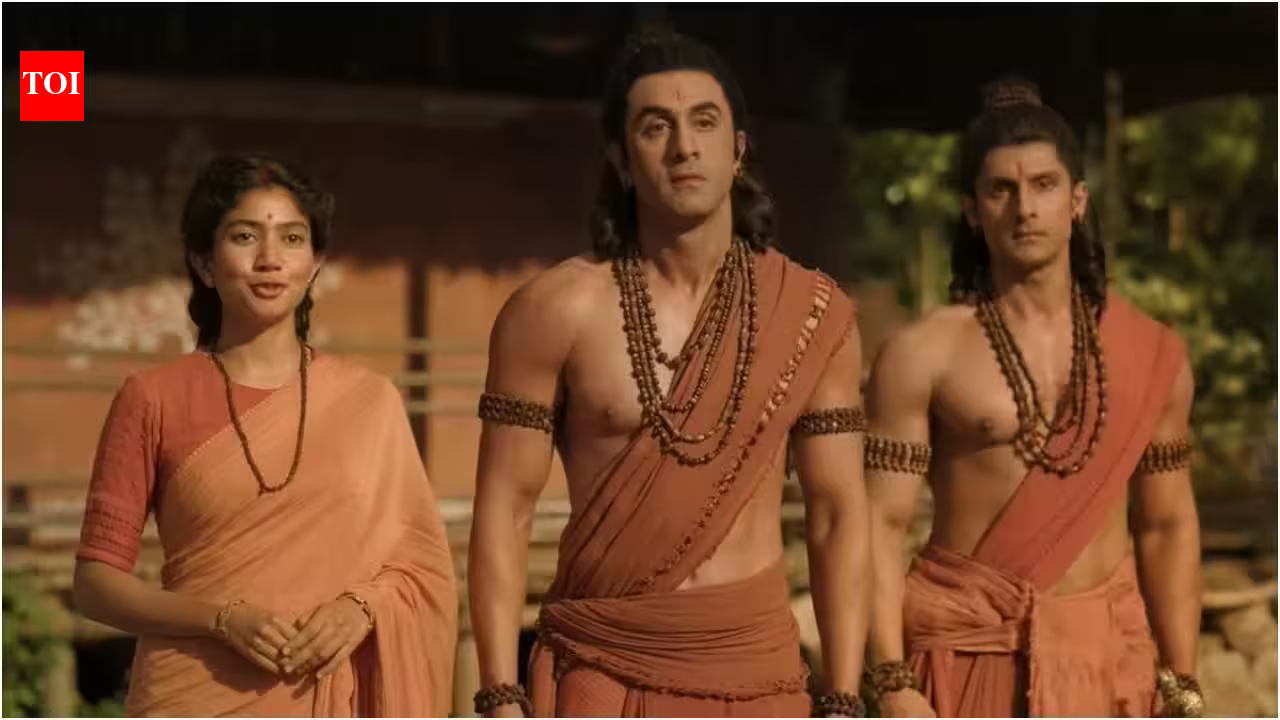
Beyond the VFX and the massive marketing budget, the film’s heart lies in its casting. Nitesh Tiwari, a director known for his grounded human stories (Dangal, Chhichhore), has managed to balance divinity with humanity. Ranbir Kapoor’s portrayal of Lord Rama has been lauded for its poise and restraint, while Yash—trading his KGF swagger for the menacing gravitas of Ravana—is reportedly the film’s secret weapon.
The supporting cast is an embarrassment of riches. Having stalwarts like Arun Govil step into the role of King Dashrath feels like a passing of the torch, connecting generations of viewers. Meanwhile, the inclusion of actors like Sai Pallavi, Lara Dutta, and Rakul Preet Singh brings a layer of performance depth that such epic sagas often lack. When you have performers of this caliber inhabiting legendary archetypes, the film stops being a spectacle and starts becoming a story audiences want to revisit.
The Future: Why the Wait for Part 2 Just Got Harder
Perhaps the most bittersweet news for fans is the update on the sequel. While the industry was bracing for a swift follow-up around Diwali next year, news has emerged that Part 2 has been pushed back to 2028.
From a production standpoint, it’s a necessary pivot. The sheer technical complexity of delivering a project of this scale requires breathing room. From a marketing standpoint, it’s a masterstroke. By creating a multi-year gap, the production team is ensuring that the audience’s appetite remains ravenous. The success of Part 1 has created a “must-watch” ecosystem; by the time 2028 rolls around, the cultural anticipation will likely be even higher than it is today.
A New Gold Standard for Indian Epic Cinema
The triumph of Ramayana: Part 1 is more than just a box office report; it is a signal to the industry. Studios have been playing it safe with mid-budget comedies and social dramas, but this film proves that the Indian audience is hungry for the “Big Screen Event.” If you give them a story they know, presented in a way they’ve never seen, they will show up in their millions.
As the film continues its strong run, the conversation in trade circles is shifting from “Will it hit its recovery target?” to “How high can it go?” For now, the box office belongs to Rama and Ravana. For the rest of the industry, the message is clear: the bar has been raised, and the epic is just getting started. Whether you are a casual moviegoer or a hardened analyst, keep your eyes on the daily figures—history is being written in real-time, and it’s looking a lot like gold.
Disclaimer: This content is auto-generated for informational purposes only.
Source: Read Original News