






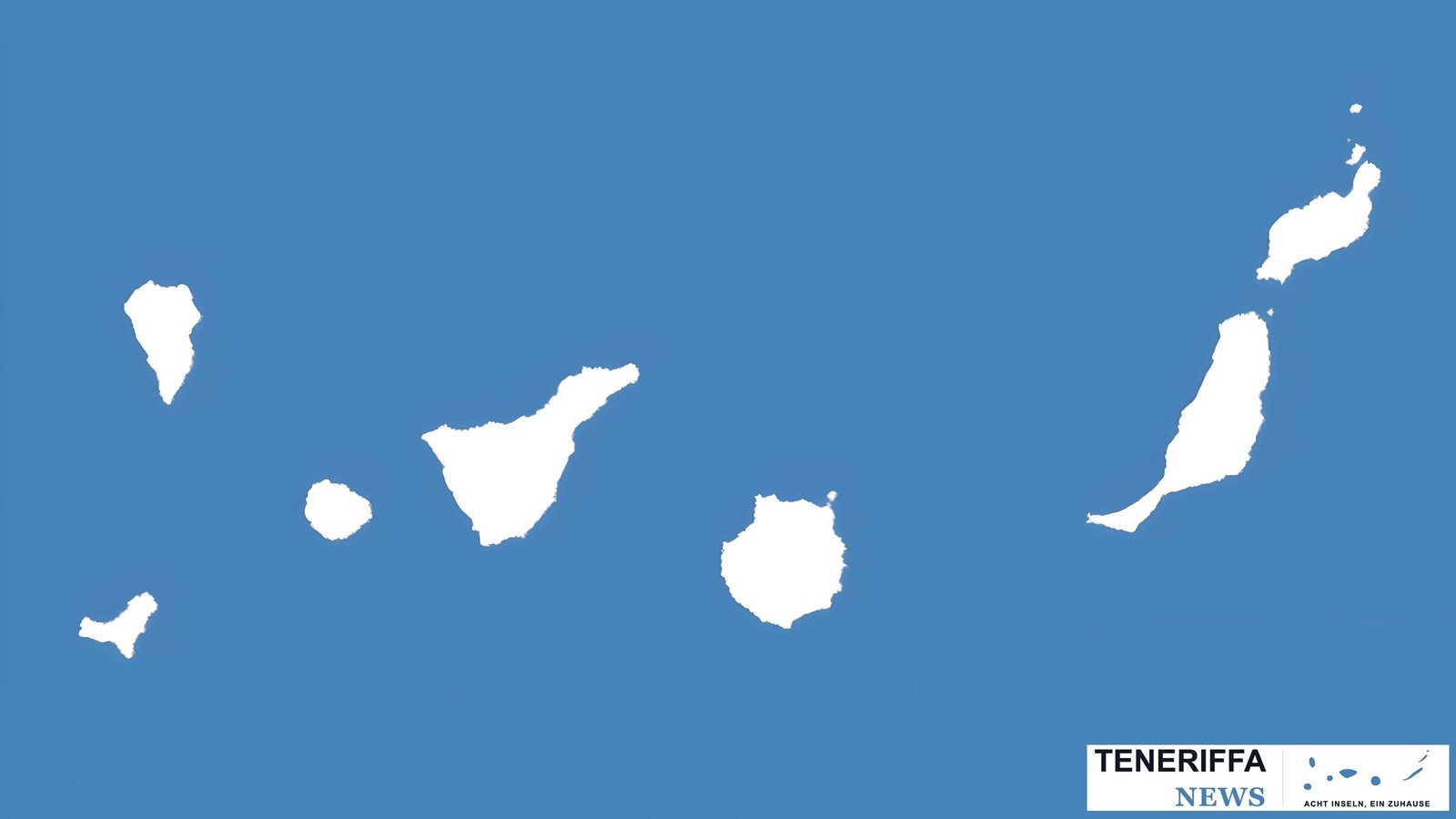
The Canary Islands find themselves at a critical economic crossroads as the archipelago celebrates a robust period of financial growth while simultaneously bracing for a significant contraction in its environmental and energy transition budget.
According to the latest data from the Canary Islands Statistical Office (ISTAC), the regional economy expanded by 2.5 per cent in real terms during the third quarter compared to the same period last year. This positive momentum, reflected in a volume index of 141.55 points, underscores a resilient economic landscape. However, this period of fiscal strength is being overshadowed by looming budgetary constraints, specifically regarding the island government’s capacity to fund climate-related initiatives.
The draft budget for 2027 reveals a sharp decline in funding for the Ministry of Ecological Transition and Energy. Projections indicate that the department’s budget will fall from its current level of 453.64 million euros to just 142.43 million euros—a reduction of 68.6 per cent. This stark drop is primarily attributed to the exhaustion of extraordinary European Union funding provided through the Recovery and Resilience Facility. As these temporary support mechanisms reach their conclusion, the Canary Islands face the difficult task of maintaining environmental progress without the substantial influx of capital that has supported recent green transitions.
The shift in funding has drawn immediate concern from regional leadership. President of the Canary Islands, Fernando Clavijo, has publicly cautioned the European Commission regarding the future administration of EU financial support. Specifically, Clavijo has expressed strong opposition to any move toward centralising the distribution of funds for outermost regions within member states.
The centralisation of such resources, Clavijo warns, risks undermining the unique autonomy of the Canary Islands. By consolidating the management of environmental and economic funds at the national level, the regional government fears it may lose the ability to tailor investments to the specific, localized needs of the islands. For a region that relies heavily on targeted environmental preservation to sustain its tourism-heavy economy and unique biodiversity, this loss of decision-making power is viewed as a significant potential threat to long-term stability.
As the government transitions into the 2027 fiscal cycle, the challenge will be to reconcile the current macroeconomic growth with the reality of diminished external support. The tension between achieving sustainable development goals and managing reduced environmental budgets reflects a broader debate on how outermost territories can best navigate the transition to a greener economy when reliance on EU emergency funding becomes unsustainable.
For now, the Canary Islands government remains focused on ensuring that its economic success does not mask the vulnerability of its environmental agenda, as it continues to lobby Brussels for a funding model that respects the regional autonomy of its outermost territories. Whether this strategy will be enough to mitigate the drastic budget cuts scheduled for 2027 remains a subject of intense political scrutiny.
Disclaimer: This content is auto-generated for informational purposes only.
Source: Read Original News


