







The digital age has brought us to a strange, neon-lit crossroads. For decades, the music industry has battled piracy, shifting from physical records to digital downloads and streaming services. But today, the battlefield has changed. It is no longer about how we consume music, but how we manufacture it. At the center of this firestorm is Suno AI, a generative music platform that has found itself in the crosshairs of some of the most powerful legal entities in music history.
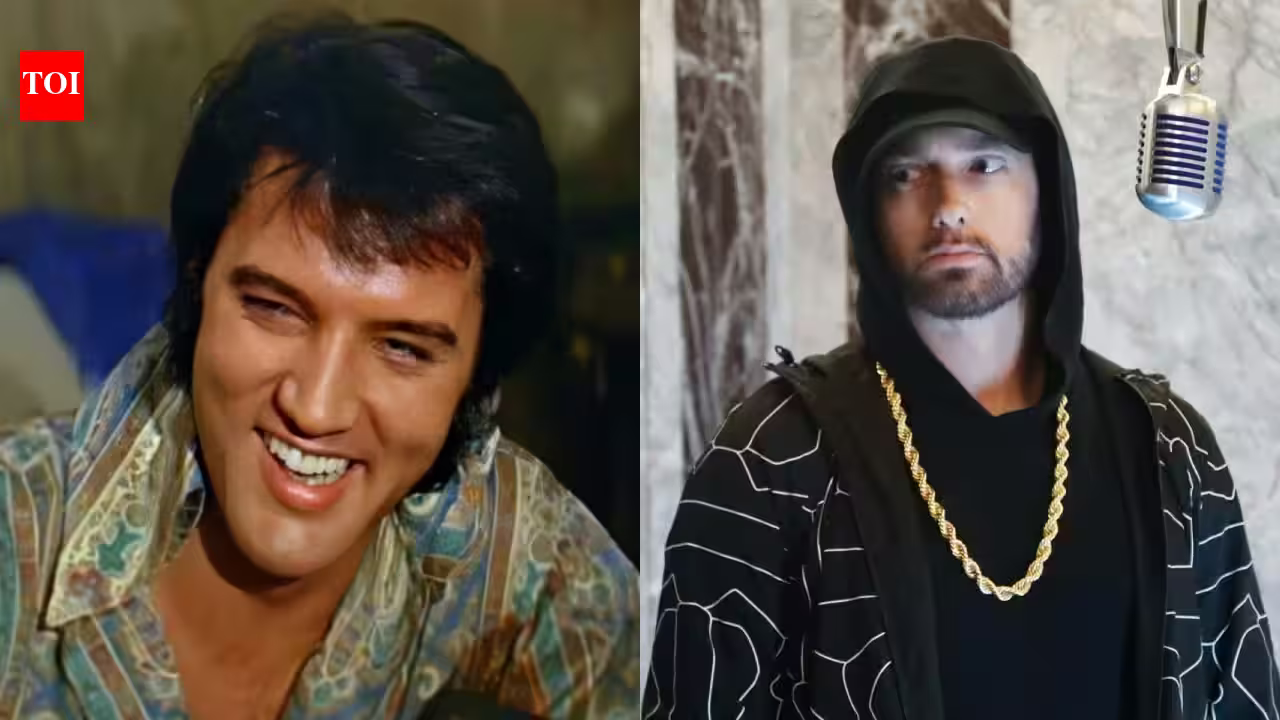
The estates and publishers behind the legacies of Elvis Presley and Eminem have launched a full-scale offensive, accusing the platform of building a multi-billion-dollar empire on the back of stolen identity and intellectual property. It is a David vs. Goliath narrative, but with a futuristic twist: the giants are the ghosts of rock-and-roll and hip-hop royalty, and the “David” is an algorithm that claims to be democratizing creativity.
The Sound of Silicon: A Legal Collision
The tension between human artistry and machine-generated mimicry has been simmering since the first AI music generators hit the market. However, the latest filings against Suno AI have moved the conversation from abstract ethical debates to cold, hard courtroom drama.
In the case involving the King of Rock and Roll, the allegations are deeply personal and legalistic. The filing isn’t just about copyright; it’s about the soul of the artist. By citing Tennessee’s 2024 ELVIS Act—a piece of legislation specifically designed to shield performers from unauthorized AI clones—the estate is hitting Suno where it hurts. They argue that the platform hasn’t just “learned” from music; it has harvested the “rich vocal timbre” of Elvis to allow users to churn out sonic replicas on demand. To the estate, this is a blatant exploitation of identity, turning a once-in-a-generation talent into a downloadable prompt.
The Eminem Allegation: Millions at Stake
If the Elvis case feels like a fight for cultural preservation, the suit filed by the publishers of Eminem feels like a calculated, surgical strike against corporate infringement. By targeting a specific catalog of 269 compositions—including iconic anthems like “Lose Yourself” and “The Real Slim Shady”—the plaintiffs are putting a hard price tag on innovation.
The numbers being thrown around are staggering. We aren’t just talking about a “cease and desist” letter; we are talking about roughly $41 million in total demands. The accusation is that Suno has “mechanically encoded itself” with the creative labor of one of the world’s most successful lyricists. The legal argument suggests that the platform functions as a conveyor belt of mimicry, designed to bypass the years of sweat, struggle, and perfectionism that define a human artist’s career. It’s a compelling argument: if a machine can produce a track that mimics the flow and aggression of an Eminem verse in seconds, does the human artist’s life work lose its inherent value?
Suno’s Defense: Guardrails or Smoke and Mirrors?
In response to these heavy-hitting lawsuits, Suno has maintained a position of defiant neutrality. Their public stance is that they are a tool for creation, not a machine for identity theft. “Suno exists to help people create new, original music, not to trade on anyone’s name or likeness,” the company stated, emphasizing that their system includes guardrails to prevent users from explicitly prompting the names of famous artists.
Yet, the company’s assertion that they use third-party screening to catch misuse feels thin to critics who point out that if an AI is trained on the data, the “ghost” of that data exists within the model regardless of whether a user types “Elvis” into the box. The tension lies in a fundamental disagreement: Can an AI ever truly be “original” if the foundation it stands upon is built from the stolen blueprints of the past?
The Broader War on Generative Art
It is important to note that this isn’t an isolated incident. The litigation against Suno is part of a larger, systemic struggle that currently defines the relationship between Big Tech and the arts. The estate of Elvis Presley has also taken aim at Anthropic and Meta, alleging that hundreds of his songs were funneled into AI training sets without a cent in royalties or a shred of permission.
The demand for $48.6 million in that specific case signals that the entertainment industry is done playing nice. They are no longer asking for guidelines; they are asking for a total shutdown of models trained on their protected assets. These companies are being forced to justify their existence before judges who are just beginning to grapple with the complexities of generative neural networks.
The Future of Creativity: A Choice Between Eras
Perhaps the most poignant takeaway comes from the statement made by Elvis Presley’s attorneys: “The next Elvis won’t pick up a guitar.” It’s a sobering thought. If we reach a point where the path of the “starving artist” is rendered obsolete by a subscription-based AI model that can replicate any genre or voice, will anyone bother to struggle anymore?
The creative arts have always been a “long game.” They require a level of human error, heartbreak, and eventual mastery that a computer, by its very definition, is designed to eliminate. As these cases wind their way through the federal courts, the outcome will likely set a precedent for the next fifty years of culture.
Are we entering a new renaissance where technology opens up the floodgates of human expression? Or are we witnessing the final stages of the “ravenous race to the bottom,” where the unique, gritty, and deeply personal work of human beings is polished into a generic, algorithmic slurry? The courts will decide the legality of these actions, but the public—and the artists themselves—will ultimately decide if this is the kind of music we actually want to listen to. For now, the gavel is hovering, and the industry is holding its breath.
Disclaimer: This content is auto-generated for informational purposes only.
Source: Read Original News