






In the world of high-stakes Indian cinema, few casting decisions have generated as much immediate, visceral excitement as the announcement of Yash—the man who redefined the “pan-Indian” superstar as Rocky Bhai—stepping into the robes of the demon king Ravana. Nitesh Tiwari’s upcoming epic Ramayana is already poised to be a cinematic monolith, but as the first glimpses and production details trickle out, it is becoming clear that the film’s visual language is as monumental as its narrative scope.
At the center of this aesthetic revolution is costume designer Saniya Sardhariya, the visionary tasked with translating a mythological titan into a tangible, awe-inspiring reality. Her recent insights into the creative process have peeled back the curtain on a performance that promises to be as much a triumph of craft as it is of acting.
Beyond the Villain: The King of Lanka
For decades, portrayals of Ravana in Indian visual culture have fluctuated between the grotesque and the operatic. Saniya Sardhariya, however, chose a different path—one grounded in the sobriety of regal authority. When asked about her initial approach to the character’s identity, Saniya revealed a multi-layered philosophy.
“I’d say I would like to start with him as the king,” she explains. “That gives you the scale of the silhouette and the richness of the materials.”
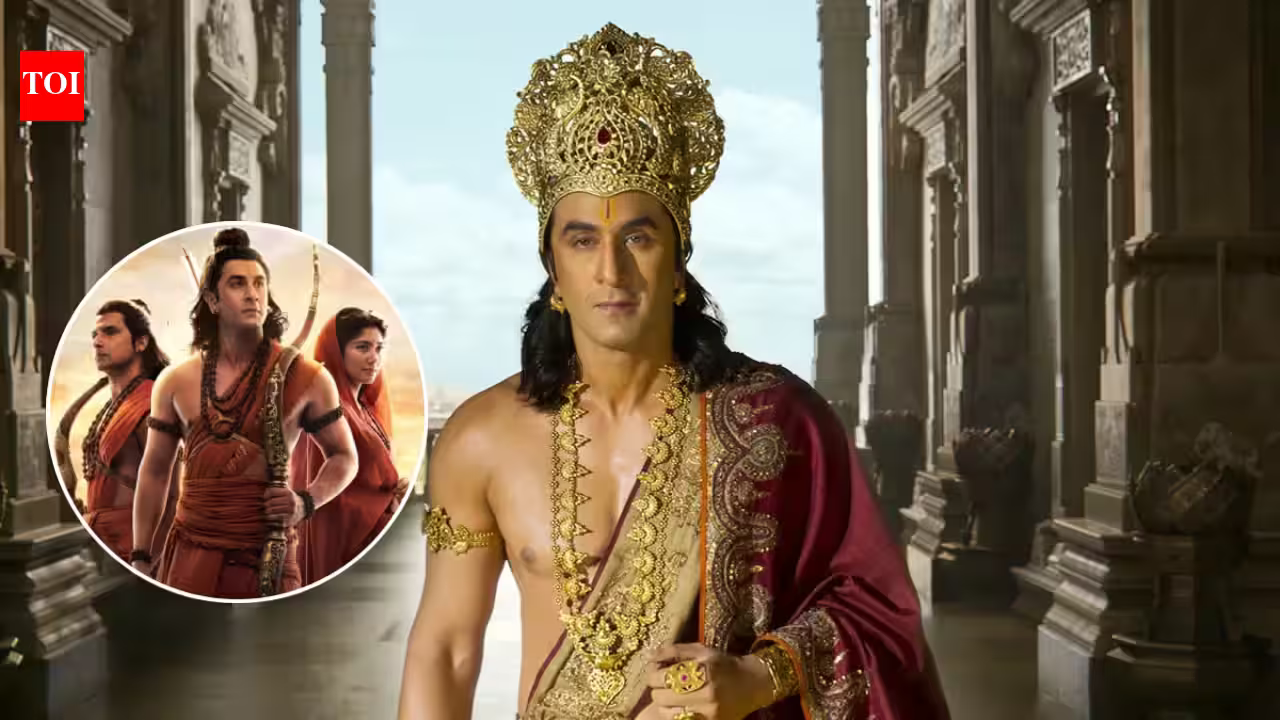
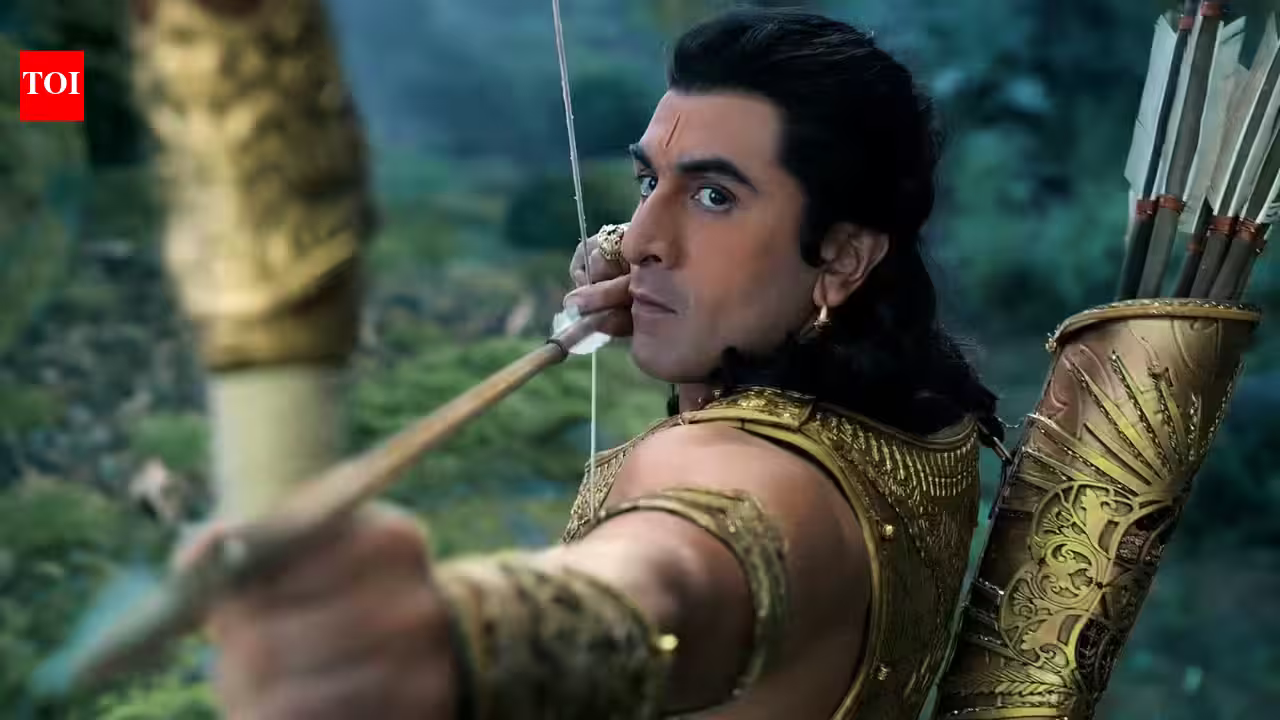
This focus on the “King of Lanka” rather than just a mythological antagonist provides the foundation for the entire look. By prioritizing the royal aesthetic, the production team has ensured that Ravana commands a sense of natural, centuries-old authority. But once the baseline of nobility was established, the character’s complexities were woven into the very fabric of his attire. The warrior aspects are channeled through rigid, imposing armor and architectural shoulder pads, while the more esoteric sides of the character—his profound devotion to Shiva and his status as a master scholar—are embedded in the details. Subtle motifs, such as serpent imagery and the trishul, serve as secret narratives for the audience to discover, transforming his costume into a visual tapestry of his complex soul.
The Physicality of Power: A Herculean Burden
True power, as it turns out, has a significant weight. The sheer physical commitment required to inhabit the role of Ravana goes far beyond memorizing lines or mastering a dialect. For Yash, the transformation is a grueling exercise in endurance. Sardhariya revealed that the regalia designed for the demon king is of a scale rarely seen in contemporary filmmaking.
“The jewelry alone weighs around 6–7 kg, while the crown is almost 1.8 kg,” Sardhariya disclosed. When you factor in the armor base and the intricate, hand-embroidered textiles, the ensemble becomes a physical challenge that would test the resolve of any seasoned actor.
For Yash, a star known for his grueling physical transformations during the K.G.F. era, this is yet another layer of dedication. Wearing nearly 10 kilograms of metal and fabric while maintaining the grace and menacing poise required of a mythological king is no small feat. It suggests that Yash is not merely playing a character; he is undergoing a structural transformation, one that requires him to be as iron-willed as the metal adorning his costume.
The Collaborative Synergy between Actor and Designer
Behind every iconic movie look is a dialogue between the performer and the creator. Saniya Sardhariya speaks of her collaboration with Yash not as a one-way street, but as a high-intensity intellectual exchange. In an industry where superstars often dictate their terms, Sardhariya describes a refreshing, albeit demanding, professional environment.
“I would say that he gives me maximum creative freedom, but at the same time, he is extremely invested in the process,” she notes. “He is a very quick learner, and you have to be on your toes to keep up with where he is.”
This level of immersion is exactly what fans of Yash have come to expect. His meticulous attention to the “why” and “how” of a character’s appearance suggests that the Ravana we see on screen will be a deeply considered figure. He isn’t just wearing a costume; he is inhabiting a history. This synergy between the designer’s vision and the actor’s drive is arguably the “secret sauce” that will differentiate this version of Ramayana from its predecessors.
Building the Pantheon of Ramayana
The stakes for Nitesh Tiwari’s Ramayana are, perhaps, the highest of any Indian production in recent memory. With a cast that reads like a who’s-who of the industry’s heavyweights, the pressure to balance individual performances with a cohesive, mythological world-building exercise is immense.
Alongside Yash, the film features Ranbir Kapoor, who bears the monumental responsibility of portraying Lord Ram, and Sai Pallavi, who steps into the role of Sita. The supporting cast—including the powerhouse Sunny Deol as Hanuman and Ravie Dubey as Lakshman—completes a roster that is clearly designed to appeal to both the mass-market sensibilities and the critical expectations of a modern audience.
As the production continues to flesh out its world, the focus remains on authenticity and scale. By investing in craftsmanship that relies on weight, texture, and symbolic detail, the film is moving away from the synthetic look of CGI-heavy mythologicals and toward something that feels grounded, tangible, and ancient.
As we await the first trailer, the takeaway is clear: Yash’s Ravana will not be a caricature. Through the weight of his jewelry, the precision of his armor, and the deliberate choices made by Sardhariya, we are looking at a character study dressed in the finery of a king. If the costumes are any indication, Ramayana is setting the stage for an epic that isn’t just meant to be watched—it’s meant to be experienced. And if the weight of those 7 kilograms of jewelry is any metric of Yash’s dedication, we are in for a performance of heavy, undeniable, and truly regal proportions.
Disclaimer: This content is auto-generated for informational purposes only.
Source: Read Original News