







The Rise and Legacy of Red Barn
The history of American fast food is defined by chains that managed to scale regional success into national recognition. Among these, the Red Barn restaurant chain stands as a significant, albeit now defunct, player that helped shape the modern quick-service dining landscape. Founded in 1961 by Don Six, Martin Levine, and Jim Kirst, the company rapidly expanded from its Ohio origins, eventually operating between 300 and 400 locations across 19 states, as well as international markets including Canada and Australia.
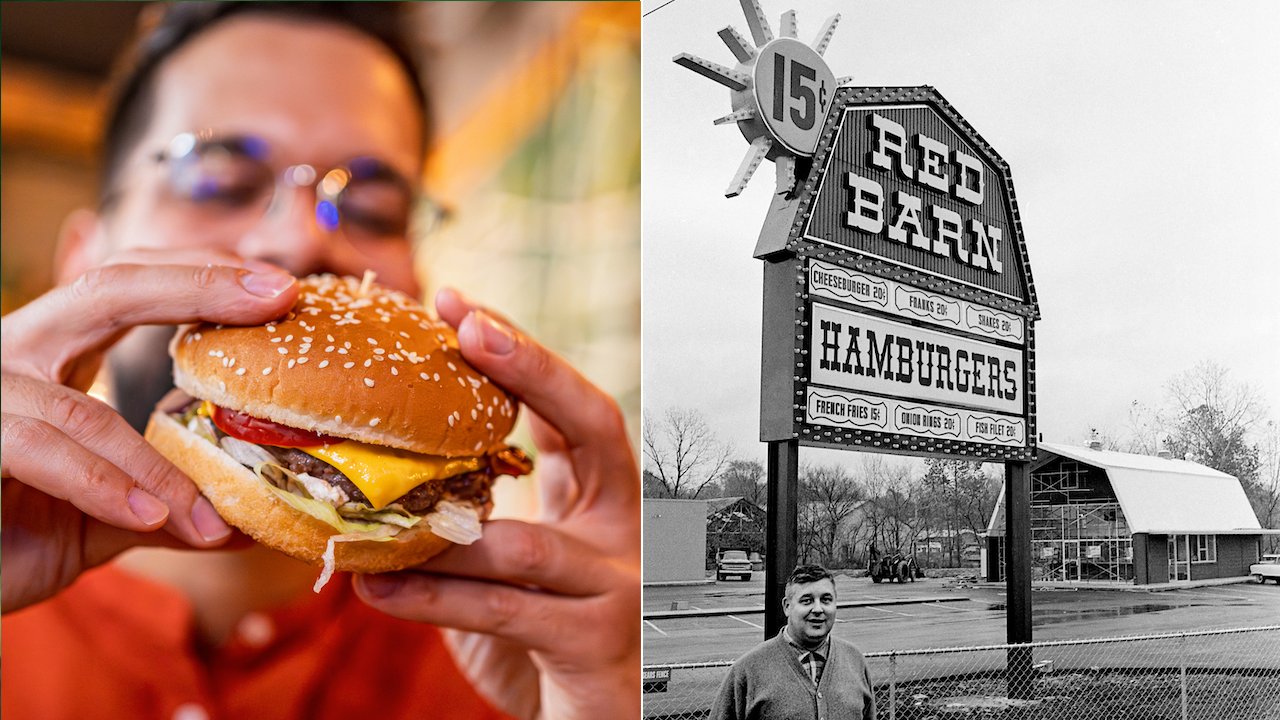
Red Barn was not merely a restaurant; it was an exercise in thematic branding. Its primary physical asset was its distinctively shaped building, designed to resemble a classic barn. This architectural choice served as an immediate visual identifier for motorists and created a recognizable brand identity that persisted throughout the 1960s and 1970s. While the company ceased operations in 1988, its influence remains a case study in how branding and menu innovation established the foundation for the fast-food industry as it functions today.
Pioneering Innovations in Quick-Service Dining
Before the ubiquity of standardized fast-food menus, Red Barn introduced several operational concepts that were considered ahead of their time. The chain was arguably one of the first to implement a self-serve salad bar, a feature that eventually became a staple of middle-market dining across the United States. While debate exists regarding which chain holds the official title for the first national rollout of the salad bar, Red Barn’s early adoption demonstrated a clear focus on offering perceived value and menu flexibility to customers.
The company also prioritized menu development that catered to the broad American palate. Its signature items included classic fried chicken and fish sandwiches, alongside a flagship double-decker burger known as the Big Barney. Notably, this item predated the introduction of the McDonald’s Big Mac, which did not enter the national market until 1968. By leveraging cartoon-style mascots—specifically the “Hungry” characters—and a memorable jingle, “When the hungries hit, hit the Red Barn,” the brand established a clear communication strategy that prioritized brand recall among families and younger demographics.
The Role of Architecture in Brand Recognition
The structural design of Red Barn served as an early example of “mimetic architecture,” where the building itself acts as a billboard for the services provided within. By mirroring the aesthetic of a rural barn, the company created a sense of home-like comfort that distinguished its locations from the austere designs often seen in its competitors. This strategy was part of a broader era in American commerce where chains like Pizza Hut utilized specific roof shapes to achieve immediate brand recognition at a distance.
According to market analysts, this marriage of physical environment and culinary mission created a cohesive consumer experience. The barn-shaped buildings were so iconic that even decades after the chain filed for bankruptcy in 1986 and shuttered its final remaining locations in 1988, many of these structures still exist today. While they have been retrofitted for other businesses or converted into independent restaurants, they remain a tangible link to a specific period of mid-century industrial growth.
Market Challenges and the End of an Era
The downfall of Red Barn, much like other mid-tier chains of that period, resulted from a convergence of competitive pressures and operational challenges. As the fast-food industry entered a period of rapid consolidation in the 1970s and 1980s, larger competitors with deeper capital reserves and more aggressive marketing campaigns began to dominate the market. The shift toward standardized drive-thru performance and global supply chain optimization left smaller or less agile chains struggling to maintain profitability.
By the mid-1980s, the brand faced mounting financial strain, culminating in a 1986 bankruptcy filing. The final years saw a slow decline as leases expired, with the last locations closing their doors in 1988. The transition from a national chain to a collection of closed sites highlighted the volatility of the industry, where even significant market penetration does not guarantee long-term viability in the face of shifting consumer habits and the rising operational costs associated with large-scale restaurant management.
The Persistent Cultural Impact of Fast Food
Despite its absence from the modern commercial landscape, Red Barn maintains a dedicated following. Digital communities, such as specialized groups on social media platforms, continue to serve as repositories for historical documents, photographs, and personal accounts from former patrons. These digital archives illustrate the durability of the “food-as-memory” phenomenon, where specific tastes and branding elements from childhood create lasting associations with comfort and leisure.
This trend underscores a broader lesson in modern business: the importance of legacy. For current fast-food operators, the history of chains like Red Barn serves as a reminder that a brand is built on more than just the efficiency of its menu. The integration of architecture, iconography, and the creation of shared community experiences allows a brand to persist in the public consciousness long after it has vacated the market. In this sense, the history of the Red Barn is not just a story of a defunct business, but a case study in how successfully implemented branding can transform a simple restaurant into a lasting cultural touchstone.
Disclaimer: This content is auto-generated for informational purposes only.
Source: Read Original News