




PARIS — The French government officially blamed Iran on Monday for a devastating cyberattack that crippled supermarket refrigeration systems across the nation last month. The incident, which caused massive food waste and financial losses, has prompted a stern diplomatic response as Paris moves to impose international sanctions.
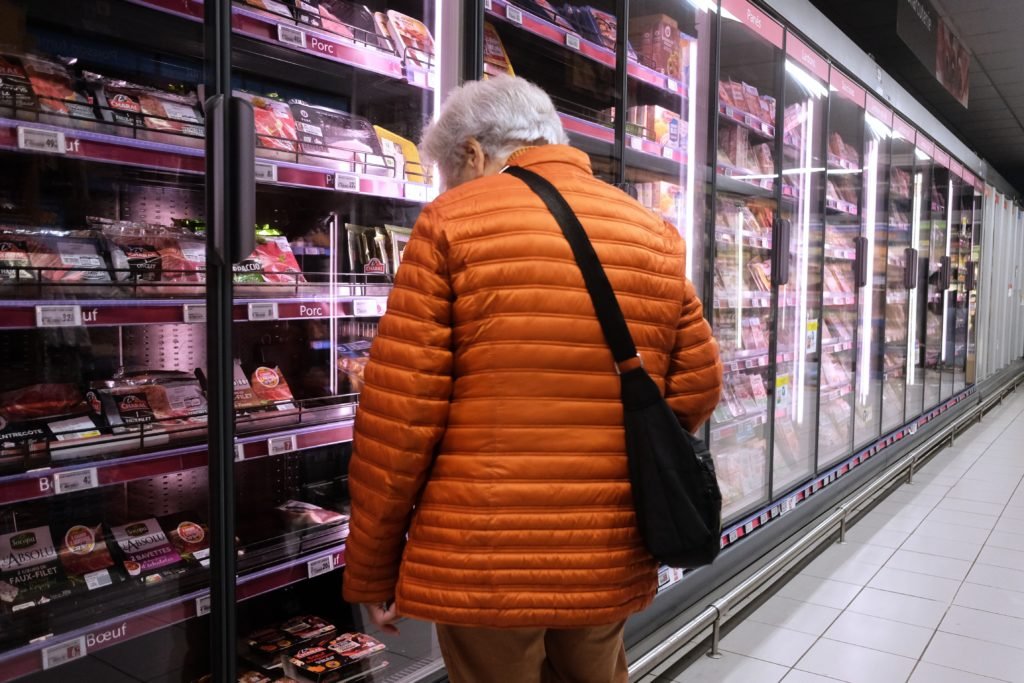
The attack, which occurred on Oct. 12, resulted in the remote manipulation of temperature controls at approximately 700 supermarkets. By forcing refrigerator settings to soar to 50 degrees Celsius (122 degrees Fahrenheit) for six hours, the perpetrators forced store managers to discard massive quantities of fresh and frozen inventory. The Intermarché supermarket chain alone reported losses reaching “tens of millions of euros” in the immediate aftermath.
In a formal statement, Paris Prosecutor Laure Beccuau confirmed that an investigation has been opened into organized cybercrime, specifically targeting those acting on behalf of a foreign power. France’s national cybersecurity agency, ANSSI, attributed the sabotage to the “Shahid Kaveh” group, a cyber unit identified as an affiliate of Iran’s Islamic Revolutionary Guard Corps.
“This is an attack of unprecedented scale and aggressiveness,” said French Foreign Minister Jean-Noël Barrot, speaking during G7 talks in Paris. “It is the first large-scale cyberattack aimed at sabotage on French soil, and it represents a major threat to our national interests.”
Barrot confirmed that the Iranian ambassador to France has been summoned to hear a “strong protest” regarding the operation. Paris is now spearheading an effort to implement sanctions at the European Union level against the leaders of the Shahid Kaveh group and their deputies. Prosecutors are currently seeking international arrest warrants, citing evidence that the attackers used Farsi and IP addresses traced back to Iranian-based devices.
The incident is part of a broader, alarming trend of digital aggression. Just last week, a separate cyberattack attempted to target French blood banks by overriding temperature controls, though the breach was neutralized before any biological samples were compromised. Furthermore, authorities believe the same Iranian-affiliated networks may be responsible for previous disruptive attacks on the Charlie Hebdo newspaper in 2023 and the infrastructure surrounding the 2024 Paris Olympic Games.
The coordinated nature of the October breach extended beyond French borders; supermarkets in Belgium, Luxembourg, Ireland, Estonia, and Sweden also reported freezer malfunctions, raising concerns about the security of critical infrastructure across the continent.
As the French government vows to take “any other measures needed” to deter future incursions, the incident has highlighted a significant escalation in state-sponsored cyber warfare. With investigations ongoing and diplomatic tensions mounting, the international community is bracing for the next phase of the standoff between Paris and Tehran.
Disclaimer: This content is auto-generated for informational purposes only.
Source: Read Original News