







Operational Challenges and Recent Layoffs at Tripwire Interactive
The landscape for independent and mid-tier game development studios remains fraught with volatility, a reality underscored by the latest round of restructuring at Tripwire Interactive. The Georgia-based developer, known for titles such as Maneater and the Killing Floor series, recently confirmed the termination of 36 employees. This reduction marks the second significant workforce contraction for the studio in 2024, following a previous round of layoffs earlier in the spring.
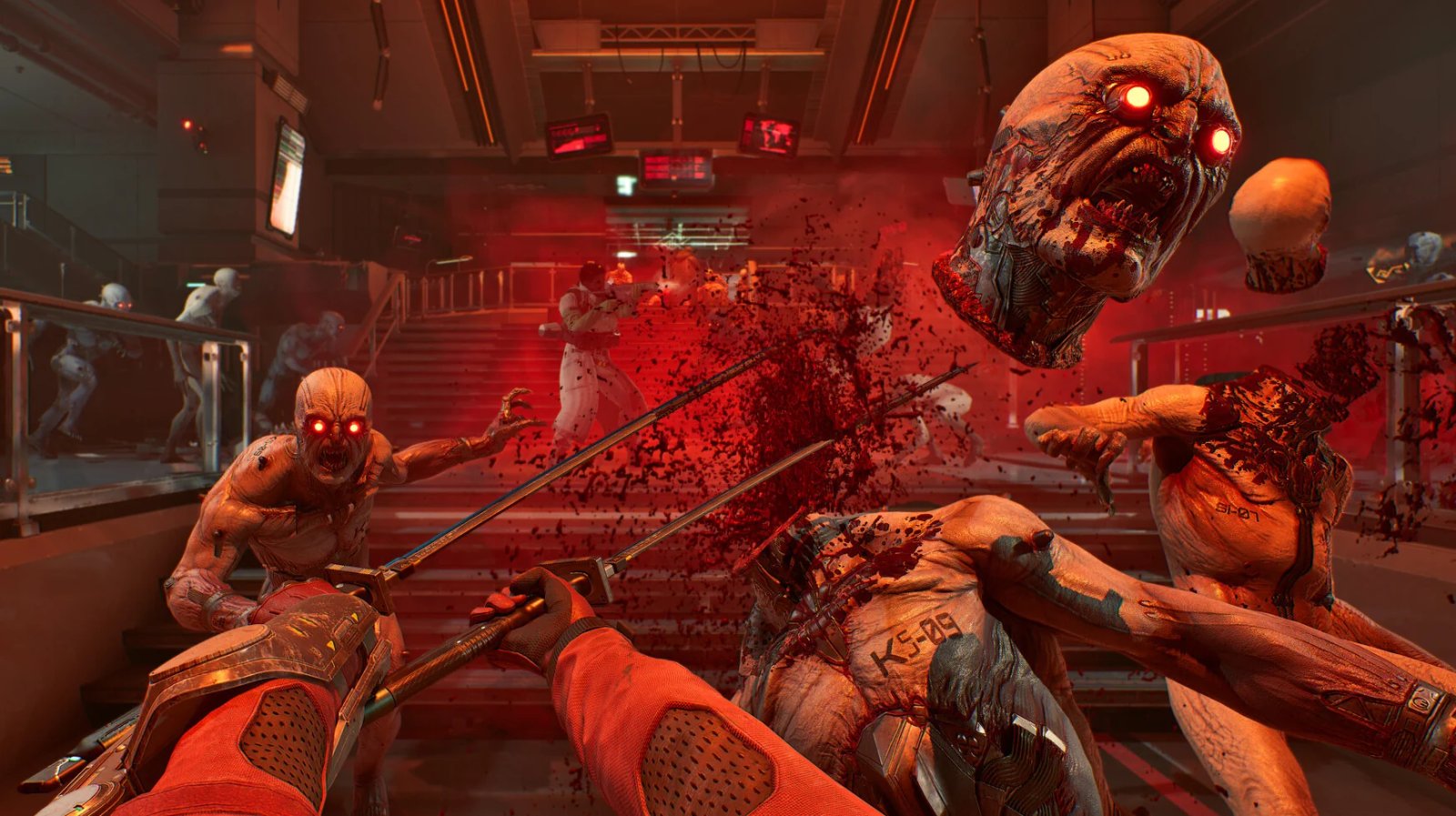
These personnel cuts arrive at a period of intense scrutiny regarding the studio’s output, specifically the reception of Killing Floor 3. While the franchise historically built a robust reputation through its predecessor, Killing Floor 2, the newer installment has struggled to achieve similar traction. Market analysts have noted a stark contrast in performance metrics between the two titles. Killing Floor 2, released in 2016, continues to sustain a daily active user count of approximately 6,000 players on Steam, bolstered by an 88 percent positive user rating. Conversely, Killing Floor 3 has faced significant pushback, currently holding a 44 percent positive rating and struggling to maintain a consistent player base of 500 concurrent users.
The Divergent Perspectives on Studio Decline
The discourse surrounding the studio’s current trajectory has become highly polarized, pitting industry observers against the studio’s former leadership. External consultants and industry critics often point to the critical reception of the software itself—noting technical issues, design shortcomings, or a lack of market fit—as the primary driver for the recent layoffs. From this perspective, the decline is a standard, albeit unfortunate, manifestation of shifting market preferences and the difficulty of maintaining legacy success in a competitive landscape.
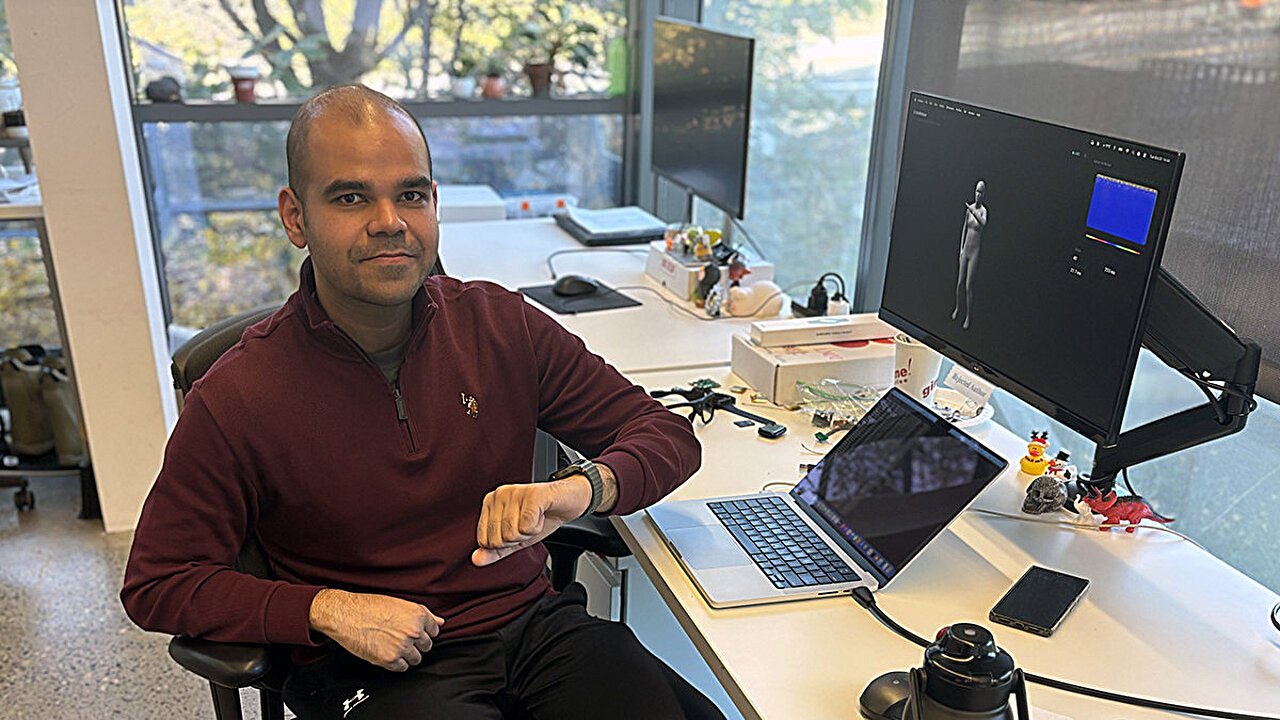
However, John Gibson, cofounder and former CEO of Tripwire Interactive, offers a different analysis. Gibson, who departed the company in 2021, contends that the current struggles are a direct consequence of a shift in corporate leadership and culture following his exit. By characterizing his departure as an “ousting” driven by ideological differences, Gibson posits that the removal of the original “linchpin” of the organization rendered the team unable to replicate the success they had achieved under his tenure. He likens the situation to the historical departure of Steve Jobs from Apple, suggesting that the loss of foundational creative leadership inevitably leads to systemic collapse.
The Historical Context of Leadership Transition
To understand the current tension at Tripwire Interactive, it is necessary to revisit the events of 2021. Gibson stepped down as CEO following a public controversy ignited by his social media support for a Texas law that prohibited abortion. His public commentary resulted in immediate backlash, with both development partners and the studio’s internal team distancing themselves from his stance. The company issued a formal statement at the time, clarifying that Gibson’s personal opinions did not reflect the values of the studio, its partners, or its broader community.
The subsequent leadership vacuum was filled by cofounder Alan Wilson, who moved into the CEO position. The company was later acquired by Embracer Group, an entity that has faced its own significant restructuring difficulties in recent years. Following further corporate realignments, the studio now operates under the leadership of CEO Matthew LoPilato, with Wilson transitioning into a Vice President role. Gibson maintains that while the original team remained largely intact after his departure, the removal of the founder altered the internal culture in a way that proved detrimental to the business.
Product Roadmaps and Future Sustainability
Despite the current organizational headwinds, the studio maintains that it remains focused on a defined project roadmap. In official communications regarding the recent layoffs, Tripwire Interactive emphasized its commitment to several key areas: the active development of the sequel to Maneater, ongoing updates and maintenance for Killing Floor 3, and the continued operation of its publishing label, Tripwire Presents.
The challenge for the current management team is twofold. First, they must address the technical and community feedback regarding Killing Floor 3 to stabilize its player retention. Second, they must demonstrate that the studio can produce commercially viable titles without the direct oversight of the founding team. The reliance on the Tripwire Presents label suggests a strategy of diversifying revenue streams, moving beyond internal development to act as a publisher for other smaller studios, which may serve as a buffer against the performance fluctuations of their flagship titles.
The Impact of Leadership Shifts on Development Culture
The situation at Tripwire Interactive serves as a case study for the fragility of studio identity in the gaming sector. When a creative team is heavily associated with a singular vision or leader, the transition to new management can be perceived by the staff and the consumer base as an abandonment of core values. Whether the decline of the studio’s recent output is truly a result of “culture loss” as Gibson suggests, or the byproduct of a changing marketplace as observers argue, the impact remains the same: a workforce reduced by 36 people and a need for the organization to regain its standing in a crowded, high-stakes industry.
As Tripwire Interactive moves forward, the success or failure of their current product slate will serve as the final arbiter of these competing narratives. If the studio can pivot and find success under its current executive team, the debate surrounding the “linchpin” theory may fade. If the struggles continue, the industry will likely continue to look at the studio’s history as a cautionary tale about the difficulties of transitioning through corporate acquisition and leadership change in an era of heightened public and employee scrutiny.
Disclaimer: This content is auto-generated for informational purposes only.
Source: Read Original News