







The Intersection of Corporate Governance and Geopolitical Risk
The recent revelations involving Nvidia CEO Jensen Huang have sent shockwaves through the global technology sector, forcing stakeholders to confront a complex intersection of personal conduct, corporate ethics, and national security. While extramarital affairs are typically relegated to the domain of human resources or private reputation, the specific nature of the allegations—involving potential ties to foreign intelligence—elevates this into a critical governance issue. In the world of high-stakes technology, the boundaries between a CEO’s private life and the security of critical infrastructure are increasingly porous.
For a company that sits at the very heart of the global artificial intelligence revolution, Nvidia represents a strategic asset not just for the United States, but for the entire global economy. When the leadership of such an organization faces scrutiny regarding potential foreign entanglements, the implications extend far beyond the boardroom. Investors, regulators, and national security agencies are now forced to weigh the stability of the company’s leadership against the integrity of the technology supply chain. The involvement of the law firm Wachtell, Lipton, Rosen & Katz to conduct an independent investigation underscores the severity with which the Nvidia board views these claims, recognizing that the company’s market valuation is inherently linked to its perceived reliability as a secure technology provider.
Nvidia and the China AI Chip Policy Conflict
At the core of the political concern is the delicate balance of US-China trade relations in the semiconductor space. Nvidia’s AI chips, particularly the H100 and Blackwell series, are the engines powering the next generation of computing. Because these chips are dual-use technologies—critical for both civilian research and military advancements in guidance systems and cryptography—the US government has implemented stringent export controls to limit China’s access to advanced silicon.
The allegations surrounding Jensen Huang create a geopolitical narrative that is difficult to ignore. Lawmakers in Washington are questioning whether any personal associations could have influenced the company’s lobbying efforts or its compliance strategies regarding export restrictions. While there is no evidence that Nvidia’s official policy toward China has been compromised, the mere perception of a security vulnerability provides political ammunition to those advocating for even stricter oversight of the semiconductor industry. For international observers, this development serves as a stark reminder of the vulnerability of “techno-nationalism,” where the personal lives of chief executives can inadvertently become strategic liabilities in a global power struggle.
The Indian Perspective on the Global Semiconductor Supply Chain
For the Indian business ecosystem, the Nvidia controversy holds significant relevance. India has positioned itself as an emerging hub for semiconductor design and manufacturing under its national mission programs. As domestic startups and major conglomerates partner with global giants to develop AI models and high-performance computing centers, the reliability of the supply chain is paramount. Indian firms that have heavily integrated Nvidia hardware into their cloud infrastructure and research projects are sensitive to any shifts in company leadership or governance.
Furthermore, India is currently navigating its own delicate relationship with both the United States and China regarding technological sovereignty. The scrutiny faced by Nvidia highlights the risks associated with dependency on a single supplier that is caught in the crosshairs of geopolitical intelligence operations. Indian business leaders watching the situation unfold in California recognize that resilience is not merely about sourcing components; it is about ensuring that those components are governed by firms with transparent, irreproachable leadership structures. As India ramps up its efforts to participate in the global AI race, the lessons from this governance crisis are clear: the stability of the technology partner is as important as the performance of the silicon itself.
Crisis Management and Boardroom Accountability
The disclosure that Jensen Huang addressed his infidelity directly with employees is a pivot toward radical transparency, yet it raises questions about the threshold for executive leadership in the modern era. Historically, corporate boards have been reluctant to remove visionary founders, even in the face of moral failings. However, the modern standard of Environmental, Social, and Governance (ESG) criteria—specifically the “G” for governance—demands that boards act decisively when a CEO’s conduct risks the firm’s reputation or security status.
The internal probe led by legal counsel will likely focus on two distinct areas: the potential misuse of corporate resources and the potential for a “honeypot” intelligence scheme. If the investigation concludes that corporate security protocols were bypassed, the board may face pressure to restructure the executive suite. In the public markets, Nvidia has enjoyed an unprecedented run as the primary beneficiary of the AI investment boom. Markets generally dislike uncertainty, and the prospect of a leadership transition at such a critical juncture is a risk that investors will monitor with extreme caution. The way the board manages this process will set a precedent for how global technology giants handle executive conduct in an era of heightened surveillance and geopolitical sensitivity.
Musk, Huang, and the Future of Corporate Allegiance
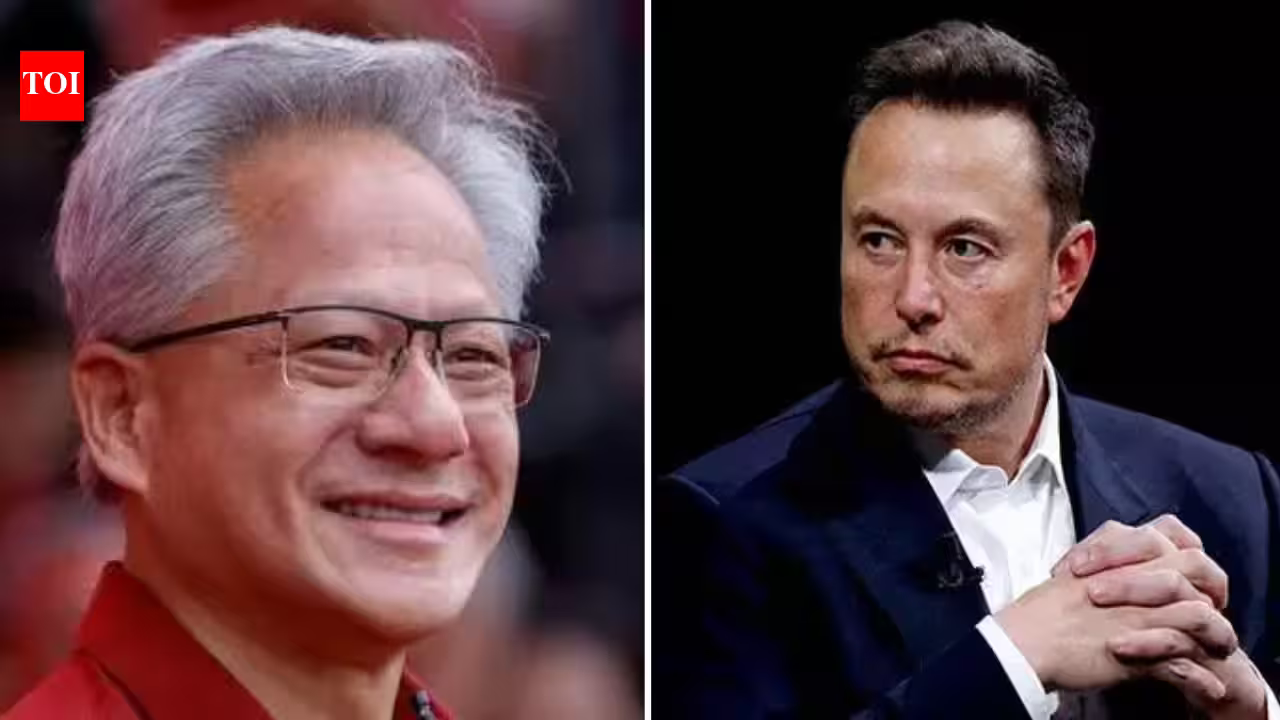
The public banter between Elon Musk and a user on X regarding the potential hiring of Jensen Huang captures the strange, often public nature of modern executive dynamics. Musk’s comment—”That would be an honour”—while likely hyperbolic, highlights the cult-like following that both men command. In the current business climate, celebrity CEOs are often seen as synonymous with the companies they lead. This personalization of corporate identity is a double-edged sword: it attracts talent and investor enthusiasm during periods of growth, but it creates profound systemic risk during periods of crisis.
If leadership in the tech sector continues to be centered around singular, indispensable figures, the industry will remain vulnerable to personal scandals. Moving forward, the industry may see a shift toward more robust succession planning and a move away from the “founder-worship” model that has defined the last two decades. As the Nvidia board navigates this investigation, the outcome will likely impact the broader semiconductor sector’s approach to executive vetting. Ultimately, the industry must decide whether the brilliance of a visionary leader outweighs the potential for internal organizational instability. For Nvidia, the mandate is clear: restore confidence in the firm’s operational integrity to ensure that the march toward an AI-driven future remains uninterrupted by the complexities of human fallibility.
Disclaimer: This content is auto-generated for informational purposes only.
Source: Read Original News