








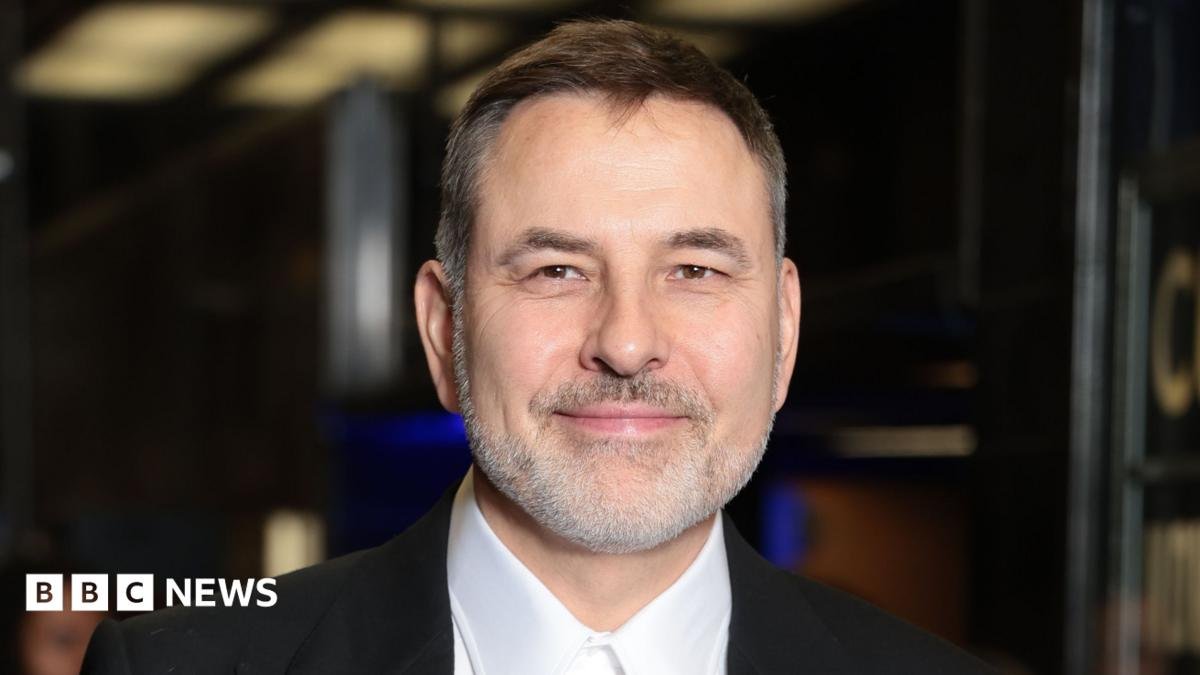
Comedian and television personality David Walliams’ attempts to permanently block the publication of allegations made against him by The Guardian and ITN have failed, following a significant legal ruling. Lawyers for Walliams had sought to prevent the two news organizations from reporting on the claims—which he continues to deny—by invoking the European Convention on Human Rights.
In an “exceptionally novel” legal challenge, Walliams’ legal team argued that the disclosure of the allegations would inflict irreparable harm on his mental health. They contended that the stress of the impending coverage was so severe that it created a genuine risk of suicide. Consequently, they argued that the state, through the mechanism of the court, had a legal duty under Article 2 of the European Convention—the right to life—to intervene and stop the media from publishing.
The argument rested on the premise that public bodies have a duty to take reasonable steps to preserve life when there is a clear, identifiable risk. Had the court granted the injunction, it would have set a significant precedent, effectively using human rights law to provide a protective “gag” against the media.
However, the court ultimately rejected the application. The ruling emphasized a clear distinction between the responsibilities of the judicial system and those of healthcare professionals. The court concluded that while the preservation of life is a paramount state interest, the responsibility for managing Walliams’ mental health and ensuring his wellbeing lies with clinicians and medical support services, not with the court or the media.
Legal analysts noted that the court’s decision was entirely neutral regarding the veracity of the claims themselves. By declining to grant the injunction, the judge did not make any determination on whether the allegations made by The Guardian and ITN are true.
This neutrality preserves Walliams’ future legal options. While he failed to prevent the initial publication, he maintains his right to pursue legal action through more traditional channels, such as claims for defamation or breach of privacy. Under these pathways, Walliams could theoretically challenge the accuracy of the reporting and seek legal remedies if he believes his reputation has been unjustly harmed.
The case has drawn significant attention for its attempt to broaden the interpretation of human rights law in the context of privacy and media scrutiny. By dismissing the plea to use the “right to life” as a shield against public interest journalism, the court has reaffirmed that the freedom of the press remains a robust pillar of the legal system, even when pitted against claims of severe personal distress.
Walliams, a fixture of British television and a well-known children’s author, has yet to issue a detailed statement on the next steps in his legal strategy following the defeat.
Disclaimer: This content is auto-generated for informational purposes only.
Source: Read Original News