








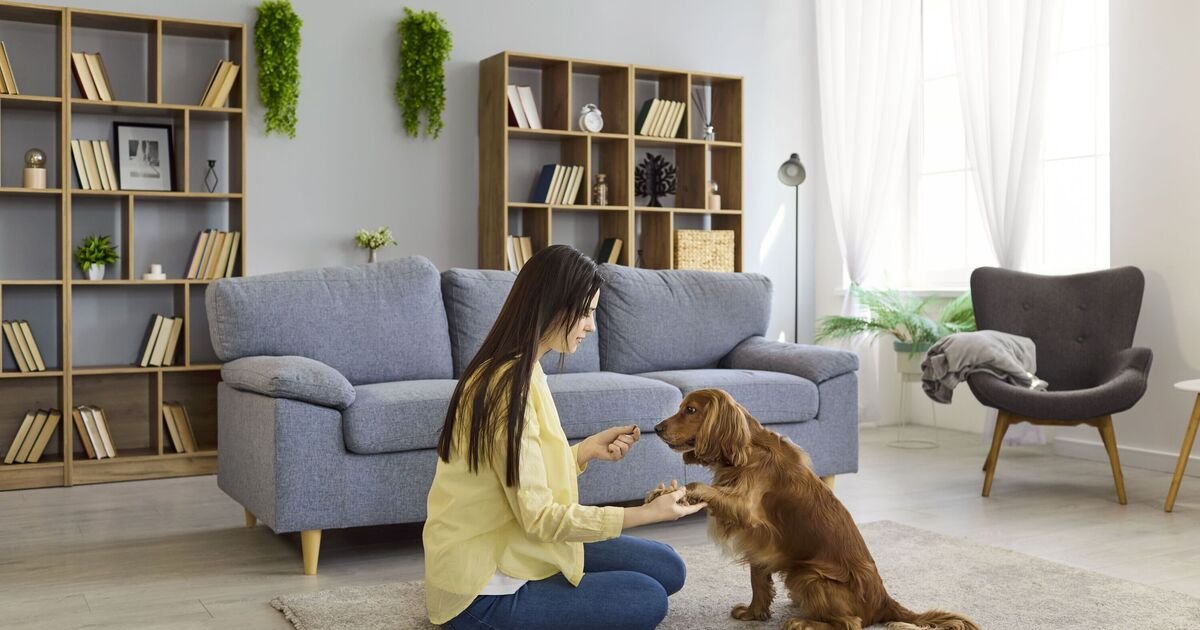
The Reality of the Puppy Blues
Welcoming a new puppy into your home is one of the most exciting milestones a pet owner can experience. There are soft paws, wagging tails, and plenty of adorable photo opportunities to flood your social media feeds. However, the reality of puppy ownership often hits hardest once the initial excitement wears off and you are left staring at a restless, hyperactive ball of fluff at eight o’clock on a Tuesday evening.
If you find yourself desperate to watch a favorite show while your puppy treats your living room like a jungle gym, take a breath. You are certainly not the only one feeling this way. Raising a well-behaved dog is not a sprint; it is a marathon of patience and, more importantly, consistency. Many new owners mistakenly believe that a dog will simply grow out of these chaotic phases, but the truth is that your guidance is the primary factor in determining how your companion navigates the world.
The Power of Selective Ignoring
One of the most counterintuitive yet effective strategies for training is the art of ignoring attention-seeking behavior. When your puppy jumps on the sofa or paws at your legs while you are trying to relax, your instinct might be to push them down, laugh, or tell them “no” repeatedly. Unfortunately, even negative attention is still attention in the eyes of a puppy.
The next time you settle in for some downtime, try to remain as neutral as possible. If your puppy begins to pester you, do not engage. Look away, stay still, and resist the urge to offer physical comfort until the dog chooses to calm down. By removing your participation in the chaotic cycle, you teach the animal that being pushy results in the exact opposite of what they desire. Eventually, the puppy will realize that quiet rest is the most rewarding way to spend time near you.
Mastering the Place Command
Training a puppy to understand boundaries—specifically the “place” command—is a game-changer for your sanity. This command creates a designated zone, such as a dog bed or a specific mat, where your pet is expected to stay. When you are busy or winding down, this serves as a safe anchor for them.
Consistency is the secret ingredient here. If you give the command for your dog to go to their place, you must follow through. If the puppy tries to leave the mat or jump on you, gently guide them back to their spot without making it a high-energy game. If they remain persistent, a calm, firm redirection is necessary. You are teaching your pet that “place” is non-negotiable. While it might feel slightly strict in the moment, you are building a foundation of reliability that will serve your dog well for the rest of their life.
Small Habits Build Better Behavior
It is easy to let the little things slide. Maybe you let them get away with jumping up just this once, or you ignore them when they don’t listen to a basic recall because they seem distracted. However, trainers often point out that these minor slips add up. If a dog learns they can ignore small instructions at home, they will quickly apply that same logic to bigger situations, like ignoring your voice at a busy park or when they are distracted by other animals.
Think of training like building blocks. Each time you enforce a boundary, you are strengthening the communication between you and your pet. It is not about being unkind; it is about providing the structure that every animal needs to feel secure. A dog that knows exactly what is expected of them is a much happier, more confident member of the family.
The Importance of Meeting Basic Needs
Before you expect your puppy to sit still for an hour of television, check that you have covered the basics. A restless dog is often an unfulfilled dog. Make sure they have had plenty of physical activity, which includes more than just a quick walk. Sniffing is an incredibly effective way to tire out a puppy, as it forces them to engage their brain and process their surroundings.
Pair this with a fresh drink, a final toilet break, and perhaps a puzzle toy if they still have energy to burn. When you ensure that their physical and mental requirements are satisfied, settling down becomes significantly easier for them. If, despite your best efforts, your puppy seems to struggle with chronic agitation or displays sudden changes in temperament, do not hesitate to reach out to a professional. A visit to the veterinarian is always a smart move to rule out any physical discomfort, as sometimes what we perceive as naughty behavior is simply a sign that our four-legged friends are not feeling their best. With time and a steady hand, your chaotic evenings will eventually turn into peaceful nights of shared rest.
Disclaimer: This content is auto-generated for informational purposes only.
Source: Read Original News