








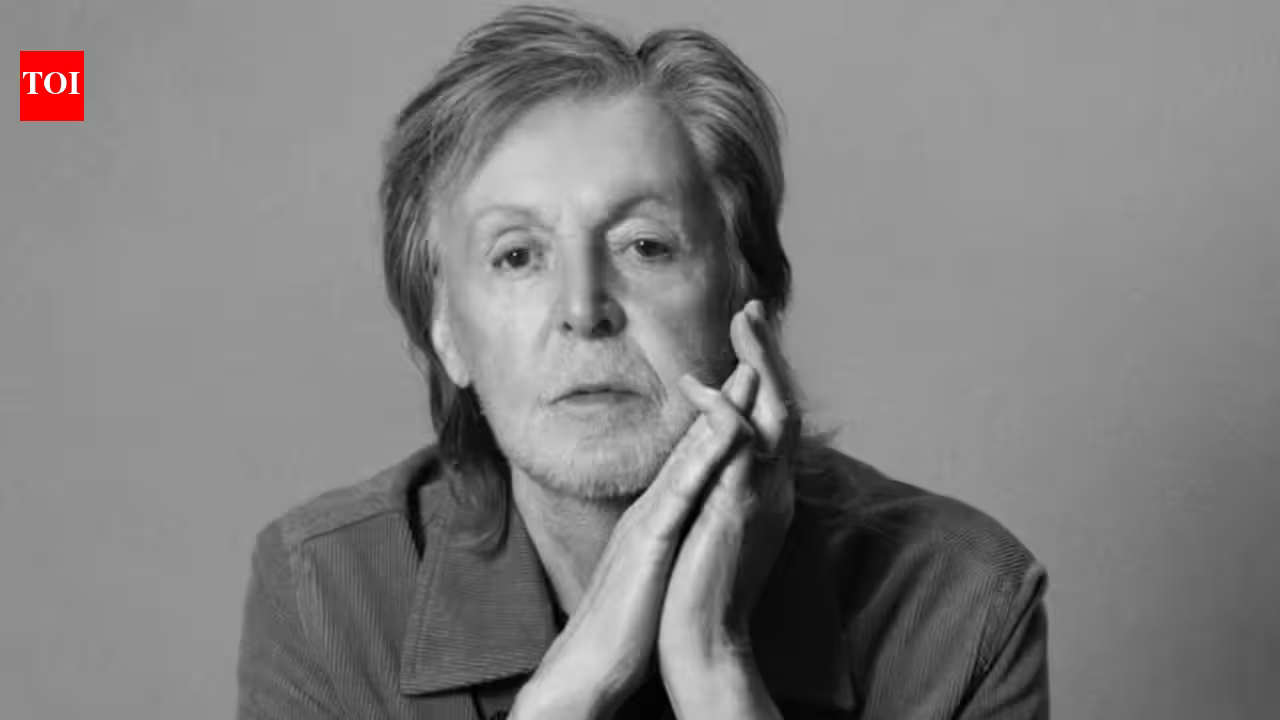
When we think of Sir Paul McCartney, our minds usually drift to the hollow-body basslines of the Cavern Club or the sprawling, experimental genius of Abbey Road. We think of the global icon, the Beatle who defined a generation, and the songwriter whose melodies are etched into the DNA of Western culture. But beyond the chart-topping hits and the stadium tours, there is a quieter, more resolute legacy that McCartney has cultivated—one born of grit, geopolitical urgency, and a genuine desire to clean up the literal wreckage of war.
In the early 2000s, McCartney pivoted from the recording studio to the front lines of a different kind of conflict: the fight against landmines. At a time when the world was still reeling from the visceral impact of Diana, Princess of Wales’s humanitarian work, McCartney stepped into the void, lending his massive platform to an initiative known as “Adopt-A-Minefield.” It was a campaign that wasn’t just about writing a check; it was about mobilizing a global community to clear the Earth of its most treacherous, hidden scars.
What Was Adopt-A-Minefield?
Launched as a joint venture with the United Nations Association of the USA (UNA-USA) and the UK-based UNA Trust, Adopt-A-Minefield (AAM) operated on a simple yet profound premise: localization. Rather than asking for blind donations to a vague bureaucracy, the campaign invited schools, businesses, and private citizens to “adopt” a specific field in a contaminated nation.
The geography of the crisis was staggering. From the scorched earth of Vietnam and Cambodia to the rugged terrain of Afghanistan, Bosnia and Herzegovina, and Mozambique, millions of civilians lived under the daily shadow of unexploded ordinance. McCartney, working closely with campaigner Heather Mills, acted as the public engine of the movement. During a pivotal 2001 meeting with then-US Secretary of State Colin Powell, McCartney didn’t just offer soundbites; he helped frame landmine eradication as a fundamental humanitarian necessity. The goal was twofold: fund the professional, high-stakes clearance of explosive devices, and provide comprehensive care—ranging from prosthetics to vocational training—for the survivors who had paid the ultimate price for these remnants of conflict.
A Legacy Built on Resonance
McCartney understood that to sustain a movement of this scale, he had to do what he did best: bring people together. He didn’t just donate money; he utilized the power of performance. He transformed the cause from a dry, geopolitical policy issue into a cultural movement by hosting high-profile, annual benefit galas in London and Los Angeles.
These weren’t your typical charity dinners. These were A-list events where the soundtrack of the 20th century met the urgent needs of the 21st. When McCartney took the stage at these events—often flanked by peers like Paul Simon, Sheryl Crow, James Taylor, and Brian Wilson—the music served as a megaphone for the cause. It forced the entertainment industry to look at the ground beneath the feet of those in war-torn nations. By gamifying the act of donation, AAM successfully turned the abstract concept of “demining” into a relatable, actionable mission for the average donor.
The Operational Reality
To understand the impact of Adopt-A-Minefield, one must look past the glitz of the galas to the actual work on the ground. Professional demining is a slow, dangerous, and expensive process. It requires technical precision, specialized machinery, and an immense amount of local coordination.
The funds raised by McCartney’s initiative allowed for the deployment of specialized teams capable of turning “no-man’s-land” into arable farmland or, at the very least, safe pathways for children to reach schools. In many of the regions the campaign targeted, landmines weren’t just a military nuisance; they were a total economic blockade. When a field is mined, it cannot be farmed, traded, or inhabited. By clearing these areas, AAM was essentially restoring the autonomy of local communities. The prosthetic clinics funded by the initiative provided a lifeline for those who had survived blasts, turning victims into active, empowered survivors who could reintegrate into their society.
The Rise and Quiet Sunset of the Campaign
The arc of Adopt-A-Minefield is a cautionary tale about the reliance on celebrity-driven philanthropy. The campaign enjoyed nearly 16 years of operation, consistently pulling in millions of dollars and clearing tens of millions of square meters of land. However, its heartbeat was inextricably linked to the partnership between McCartney and Mills.
Following their high-profile, media-saturated divorce proceedings in the mid-to-late 2000s, the momentum of the organization inevitably shifted. As the public and media interest transitioned from the charity to the courtroom, the ability of the campaign to generate the high-visibility buzz required for mass fundraising diminished. The UK partner organization, No More Landmines, eventually ceased operations, closing its doors in 2015.
While the organization itself was dissolved, its legacy remains undeniably potent. It proved that a pop star, when dedicated to a cause, can exert pressure on governments and move the needle on international humanitarian policy. Even without the annual galas or the McCartney-led headlines, the ground in places like Cambodia and Mozambique remains safer today because of the work done during those 15 years.
Reflecting on McCartney’s Humanitarian Impact
Paul McCartney’s involvement in the anti-landmine movement remains a testament to the power of using fame for tangible change. It is easy for celebrities to offer a generic tweet or a video endorsement; it is another thing entirely to spend years lobbying secretaries of state and organizing complex international relief operations.
McCartney proved that, for all the talk of “the quiet Beatle” or “the songwriting legend,” he possessed a sharp instinct for the real-world utility of his influence. The millions of square meters of cleared land represent more than just a statistic; they represent a future reclaimed for communities that had been held hostage by the ghosts of past wars. Today, as McCartney continues his musical career, that chapter in his life stands as a reminder that the most enduring songs aren’t the ones we listen to on the radio, but the ones written in the tangible improvement of human lives.
Disclaimer: This content is auto-generated for informational purposes only.
Source: Read Original News