









Returning the Ancestors: Naga Community Reclaims Human Remains from Oxford
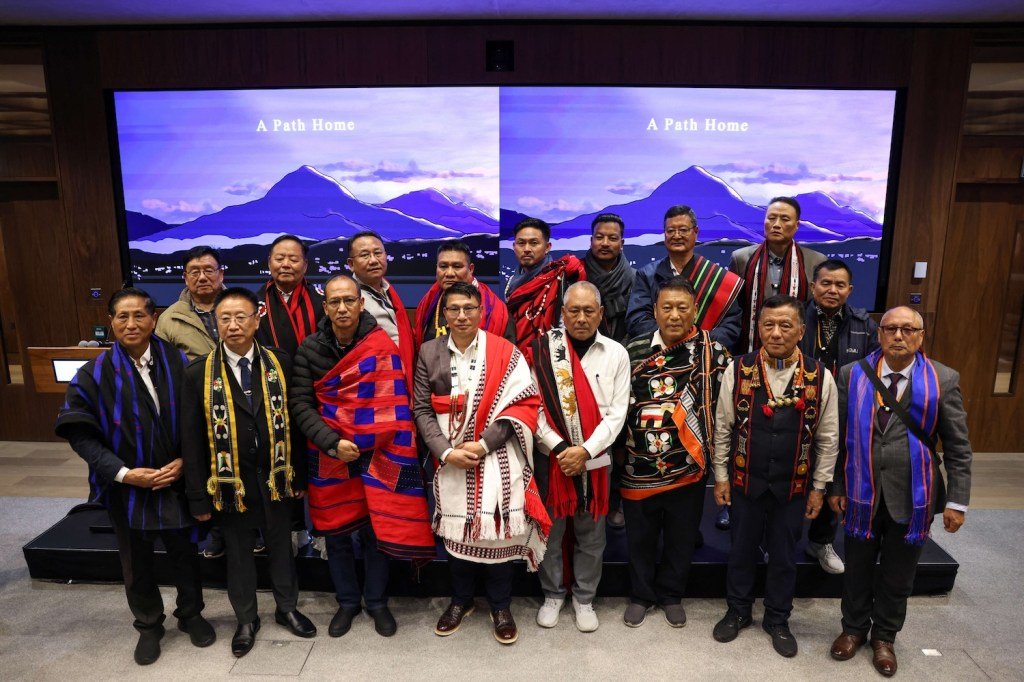
In a historic act of restorative justice, the Pitt Rivers Museum at the University of Oxford has formally returned 39 sets of ancestral remains to the Naga people of India. The handover ceremony, held on November 9, marked the end of a century-long separation for these individuals, whose remains were taken from Nagaland during the era of British colonial rule and held in the museum’s vaults for decades.
A delegation of nearly 30 representatives from the Naga community traveled from Northeast India to the United Kingdom to receive their ancestors. This repatriation represents a significant turning point in the global movement to decolonize museum collections and acknowledge the violent origins of ethnographic hoarding.
A Legacy of Colonial Violence
The Pitt Rivers Museum holds the largest collection of Naga artifacts globally, a vast majority of which were acquired between 1910 and 1940 by British colonial administrators and anthropologists, John Henry Hutton and James Philip Mills. Their acquisition methods were far from neutral; the museum itself has acknowledged that these items were often obtained through “punitive military expeditions” rather than ethical exchange.
In his own records, Mills candidly described an armed expedition to Pangsha village explicitly to seize items for the museum, noting that the mission would ensure the Pitt Rivers received “fine specimens.” Within the museum’s current inventory are 219 Naga human-remains items, including 178 objects containing human hair. The 39 skulls returned this month represent the primary focus of this initial repatriation phase.
Restoring Dignity and Spirit
The repatriation process was catalyzed in 2020 when the museum removed all human remains from public display. Anthropologist Dr. Dolly Kikon, a member of the Lotha-Naga community, facilitated the dialogue between the museum’s director, Laura Van Broekhoven, and the Naga tribal leadership. This collaboration involved the Forum for Naga Reconciliation (FNR), church elders, and various tribal Hohos, ensuring the return was conducted with cultural sensitivity.
Dr. Kikon noted that the remains include the skull of a Naga chief—a figure of deep historical and cultural reverence. While European observers historically labeled these items as “trophies” of headhunting, the Naga perspective emphasizes that these individuals were often ancestors who were cared for and held in high esteem.
Healing the Past
For the Naga people, this is not merely a legal or historical victory; it is a spiritual necessity. Following their return to India, the ancestral remains are set to be laid to rest in a dedicated memorial park.
“They’ve been here in a foreign land for more than a century,” said Dr. Vihuto Asumi, President of the Sumî Hoho. “We believe that their spirits are still not at rest, so by doing this, we believe it will bring spiritual healing, not only to the ancestral remains here but to everyone who died during the headhunting days.”
This act of return signals a broader shift in how institutions address the colonial past. By acknowledging the trauma embedded in their collections, museums like the Pitt Rivers are beginning to transition from curators of “trophies” to partners in the global pursuit of reconciliation and the honoring of ancestral dignity.
Disclaimer: This content is auto-generated for informational purposes only.
Source: Read Original News