







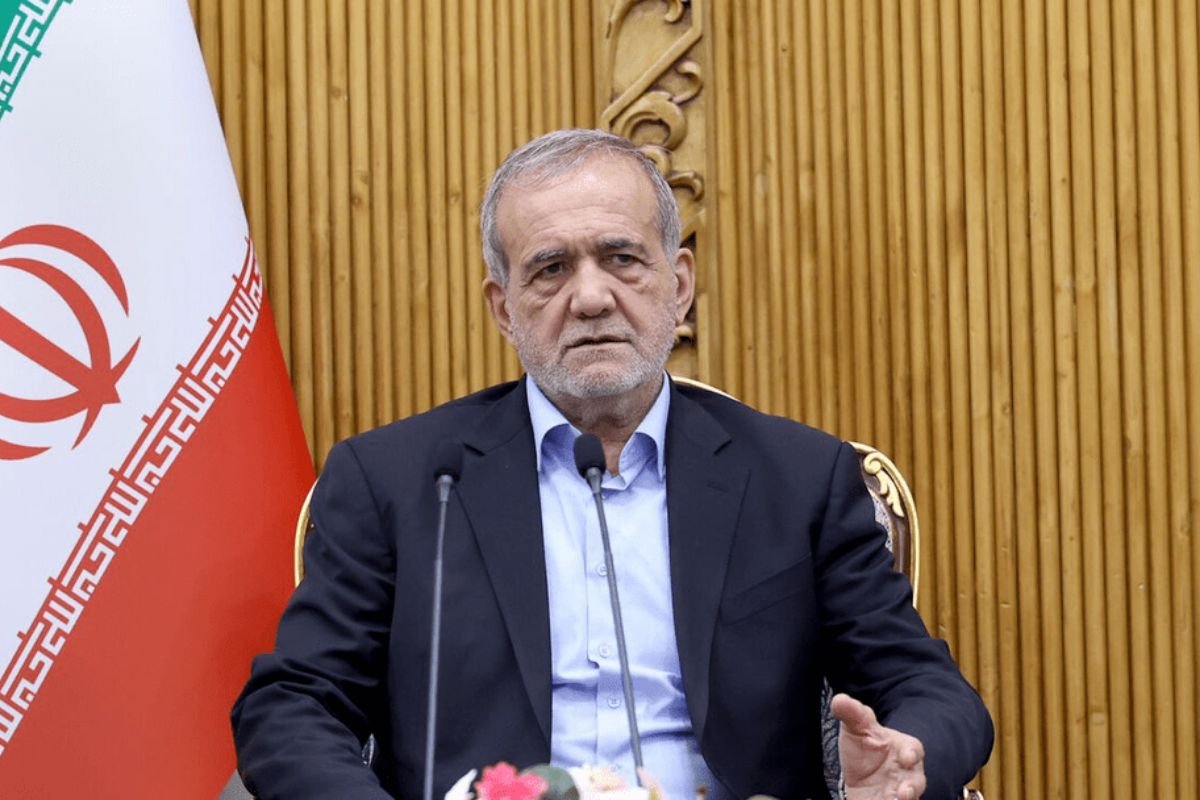
WANA (Nov 11) – Iranian President Masoud Pezeshkian arrived in Turkey this week to attend the 31st United Nations Climate Change Conference (COP31), where he intends to pivot the global environmental discourse toward the ecological toll of military conflict. The summit, which has drawn representatives from 196 nations—including 71 heads of state or government—serves as the primary global platform for addressing the intensifying climate crisis.
Speaking to reporters prior to his departure, President Pezeshkian emphasized that the gathering offers a critical venue for Iran to articulate its stance on the “environmental consequences of war and military aggression.” Tehran intends to utilize the international forum to highlight what it describes as the direct ecological damage inflicted upon Iran and the broader Middle East by U.S. and Israeli military policies.
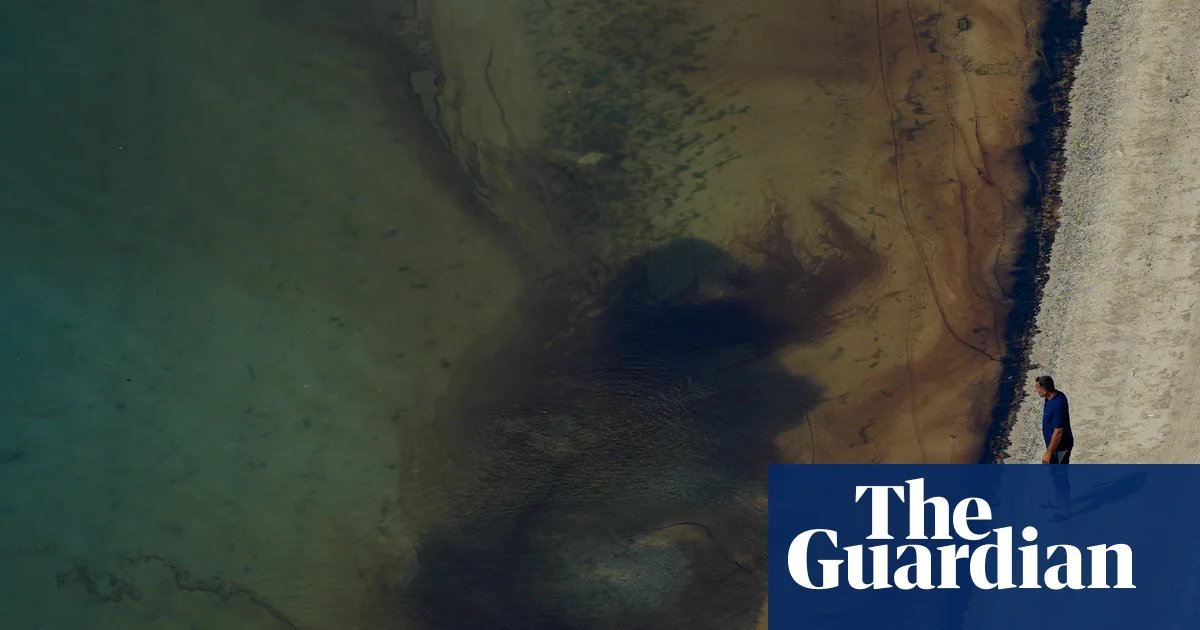
The Iranian delegation’s agenda marks a strategic attempt to link geopolitical security with environmental preservation. By framing military aggression as a significant contributor to regional instability and environmental degradation, Iran seeks to align its grievances with the broader global movement to mitigate climate change. According to Pezeshkian, this perspective is essential for understanding the unique environmental pressures facing the region, where infrastructure destruction and military activity can lead to long-term pollution, resource depletion, and habitat loss.
Beyond the formal proceedings of the COP31 plenary sessions, the visit serves as a significant diplomatic mission. President Pezeshkian confirmed that he has arranged bilateral meetings with leaders and senior officials from more than 10 countries. Central to these discussions is a high-level meeting with his Turkish counterpart. Pezeshkian characterized the Iran-Turkey relationship as robust, noting that the two nations share deep-seated economic, cultural, and security interests. The talks in Turkey are expected to explore how these shared interests can be leveraged to enhance regional security and environmental cooperation.
During his pre-departure address, the President also reflected on the shifting political climate in Western nations. Pointing to recent electoral outcomes in the United States, Israel, and several European countries, Pezeshkian argued that these results signify a public rejection of policies he identified as “war-mongering.” He suggested that proponents of aggressive international policies are increasingly facing domestic pushback, citing this as evidence that the global electorate is distancing itself from leaders who, in his words, speak of democracy and human rights while contradicting those principles through their foreign actions.
The international community is currently grappling with how to integrate the concept of “environmental security” into global policy. Iran’s focus on the ecological impact of war contributes to a growing debate within the United Nations regarding how the carbon footprint of military operations and the environmental legacy of armed conflict should be accounted for in international climate agreements. While previous COP summits have traditionally focused on carbon emissions reduction and transition to renewable energy, the emphasis on the “environmental consequences of conflict” is a perspective that has gained traction among several nations in the Global South.
As the summit commences, President Pezeshkian expressed hope that his participation would effectively convey the perspectives of the Iranian people and that the diplomatic exchanges would yield tangible, positive results. Whether the Iranian message regarding the environmental costs of regional conflict will resonate within the broader climate negotiations remains to be seen, but the visit signals an intent by Tehran to remain a vocal participant in the evolving dialogue between regional security, geopolitical maneuvering, and planetary health.
Disclaimer: This content is auto-generated for informational purposes only.
Source: Read Original News