








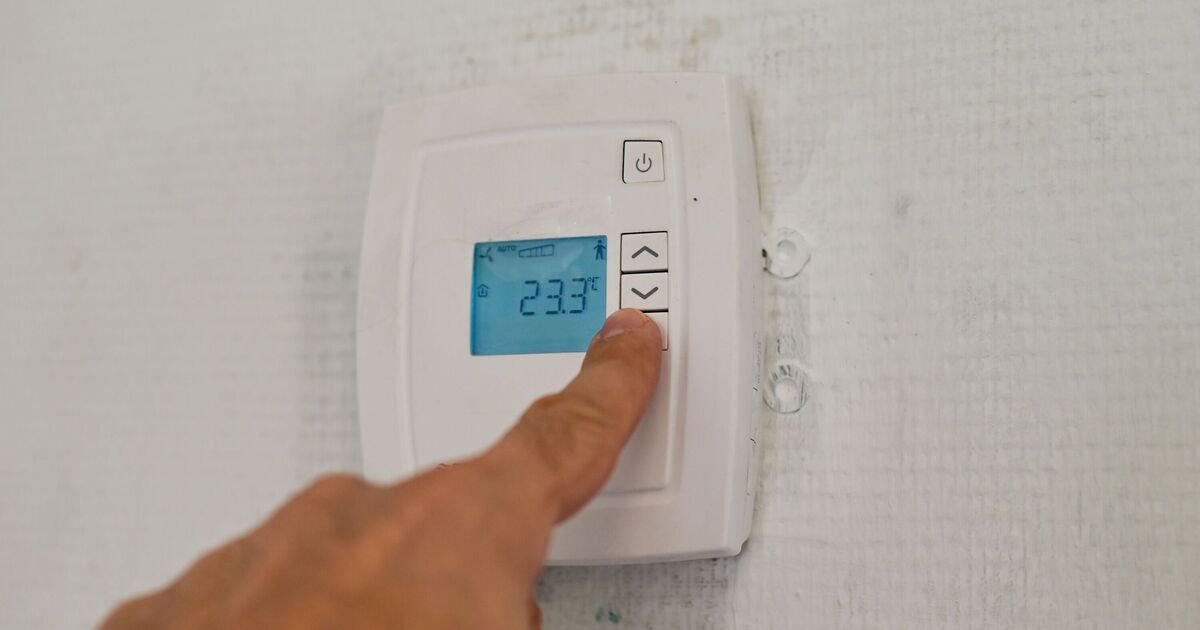
We have all been there, standing in the hallway staring at the central heating controls, wondering if we should leave the hot water running or let the system rest until the next shower. It is a classic household dilemma that often leads to heated debates between partners or housemates. Thanks to some helpful insights from the team at Money Saving Expert, we can finally put this question to bed and stop guessing with our utility bills.
The Great Boiler Debate
The common assumption is that keeping water hot all day is somehow more efficient because the system does not have to work as hard to heat it back up from scratch. However, for most households using standard gas, oil, or LPG central heating, this is actually a myth. Experts suggest that it is much more wallet-friendly to use a timer. By setting your system to trigger only when you actually need that warm water, you avoid paying to maintain a high temperature in a tank that no one is currently using. Think of it like turning off the lights when you leave a room—why pay for something that isn’t actively serving a purpose?
Understanding Your Specific System
While a timer is the gold standard for most, your specific boiler type plays a huge role in how you should manage your energy. If you are operating a combi boiler, you might be surprised to learn that you have extra room to maneuver. Many households find that lowering the hot water temperature—around 55 degrees Celsius—is perfectly sufficient for daily needs. It is a tiny adjustment that can lead to noticeable savings over the course of a year. It is all about finding that sweet spot where your water is warm enough for comfort but not so hot that you are burning through your monthly budget.
The Power of Off-Peak Tariffs
Things get a little more interesting if you have an electric immersion heater paired with an Economy 7 or Economy 10 tariff. In these cases, the game changes entirely. Because these tariffs provide cheaper electricity during specific overnight hours, the goal shifts toward being a night owl with your energy consumption. It is significantly cheaper to heat your water while the rest of the house sleeps. To make this work, however, you must ensure your water tank is well-insulated. If the tank is poorly protected, you will lose all that hard-won heat before the morning alarm even goes off. Check your most recent bill or give your provider a quick call if you aren’t sure which tariff you are on; it is a five-minute task that can save you a small fortune.
Efficiency Through Smart Scheduling
The logic behind heating water from cold versus maintaining a constant temperature continues to spark discussion. Some argue that letting a tank go cold and heating it up consumes more energy, but technical insights suggest otherwise. Running a heating pump to constantly supply high-temperature water can be less efficient than letting the system work gradually. By scheduling your heating to coincide with peak solar production or your lowest tariff periods, you are being much kinder to your wallet. If you have the ability to program your controls, experiment with timing your water cycle to finish just before you need your morning shower.
A Final Check of Your Setup
At the end of the day, managing your home energy does not have to be a source of stress. Whether you need to tighten up your insulation, adjust your boiler temperature, or simply get better acquainted with your timer settings, small tweaks add up. Don’t be afraid to take a look at your manual or reach out to your energy supplier if the settings on your control panel look like a foreign language. Taking control of these settings is one of the most practical steps you can take to keep your household running smoothly without burning through your savings. Next time you head to the boiler cupboard, you can do so with the confidence of someone who finally knows exactly how to keep the costs down.
Disclaimer: This content is auto-generated for informational purposes only.
Source: Read Original News