








The Hidden Cost of Your Daily Commute
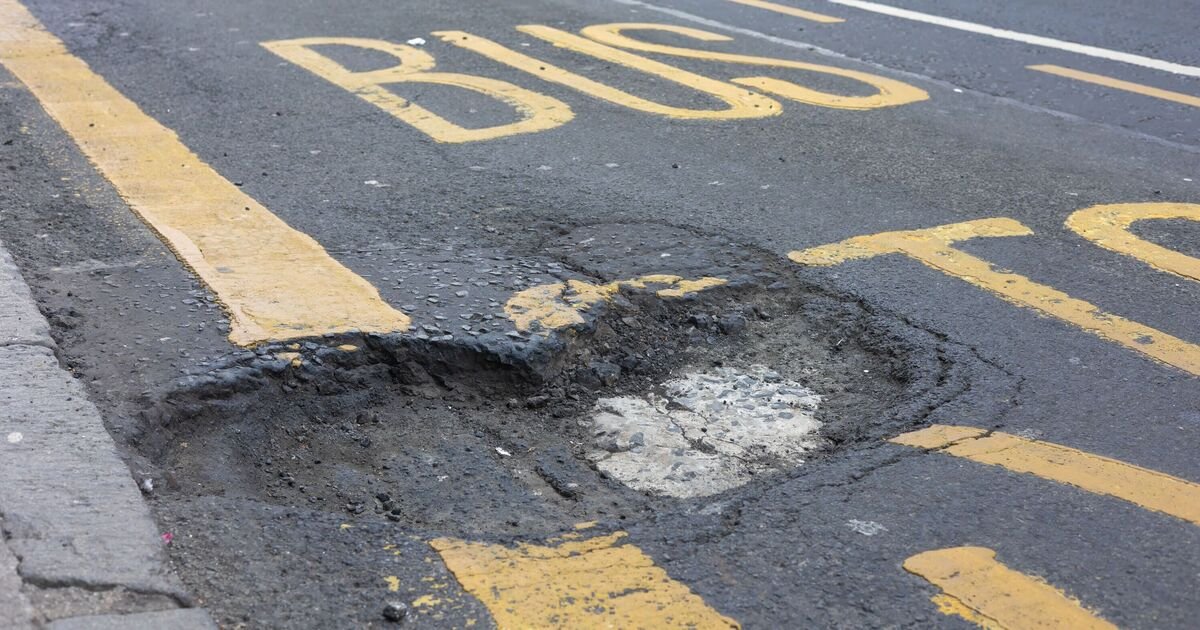
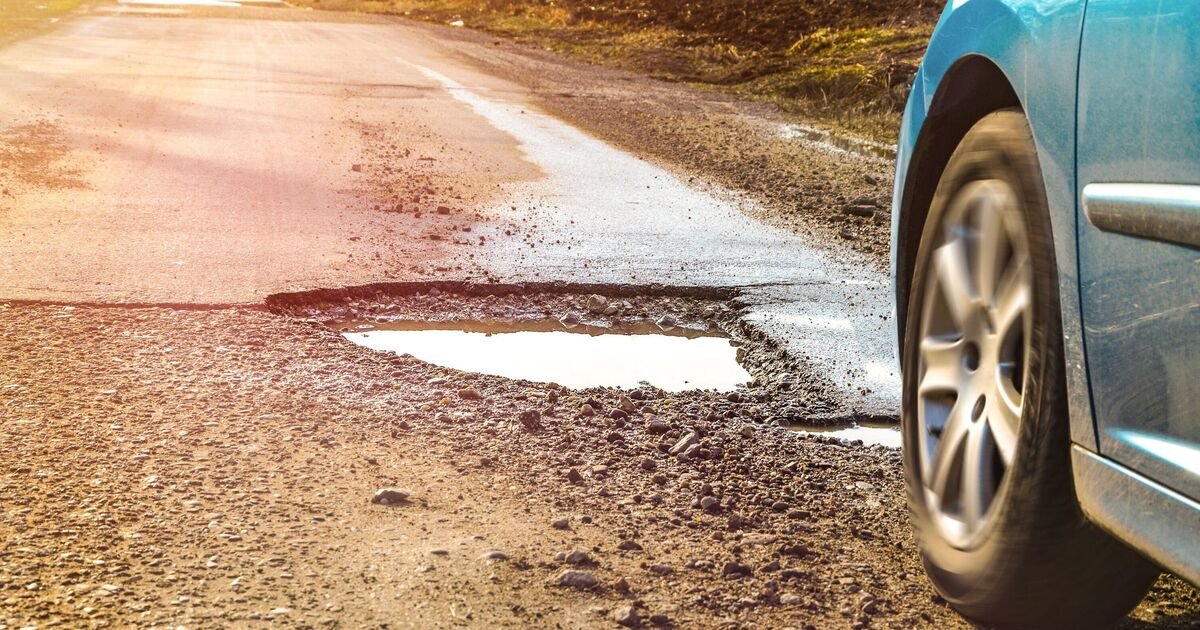
We all know the frustration of driving down a familiar road only to feel that sickening jolt that vibrates through the entire steering column. Potholes are the silent enemies of our morning routines, turning a peaceful drive into an expensive headache. While we often view our cars as simple tools to get from point A to point B, they are sophisticated machines that rely on the humble tyre to keep us safe. When you strike a crater in the tarmac, it is not just a bump; it is a concentrated burst of energy that tests the limits of your vehicle’s engineering.
Many drivers attempt to save money by choosing the least expensive replacement parts, but this strategy frequently backfires. If you find yourself replacing rubber regularly due to road damage, the cumulative price tag often outweighs the savings you gained at the checkout. Understanding how your car interacts with the road surface can help you protect your wallet and ensure your vehicle stays in prime condition for the long haul.
Why Your Tyre Choice Matters More Than You Think
It is easy to assume that all rubber performs the same, but the internal construction of a tyre dictates how it handles stress. Premium manufacturers invest heavily in materials, utilizing stronger belt packages and more resilient compounds designed to endure the daily grind. These high-quality products are built with reinforced sidewalls, which act as a shield against the sharp edges of a neglected road.
While no product is invincible, premium engineering allows these items to absorb and disperse the shock of a sudden impact much more effectively than their budget-friendly counterparts. When you invest in higher-quality gear, you are not just paying for a brand name; you are paying for structural integrity. These tyres offer better grip, improved water evacuation during rainstorms, and a sense of security that makes every journey feel more controlled. When it comes to your safety, the contact patch between your car and the ground is the most important surface on your vehicle.
Mastering the Art of Defensive Driving
The most effective way to protect your car is, quite simply, to avoid the obstacles altogether. It sounds obvious, but many of us drive on autopilot, especially when navigating familiar streets. Staying alert is your primary defense against unexpected road damage. By keeping your eyes scanning the horizon rather than just the bumper of the car in front, you can spot imperfections in the surface long before you reach them.
A minor adjustment to your path—shifting your steering by even a fraction—can be the difference between a smooth ride and a trip to the repair shop. While you should never swerve erratically or put other road users at risk, maintaining a steady, observant focus allows you to weave around craters with ease. Think of it as a dance with the pavement; keep your movements fluid, stay aware of your surroundings, and always leave yourself enough space to maneuver safely.
Maintaining Your Vehicle for Longevity
Beyond avoiding bumps, regular maintenance is the key to extending the life of your wheels. Keep a close eye on your tyre pressure, as under-inflated rubber is significantly more prone to pinch-flats when it encounters a sharp edge. A tyre that is properly inflated provides a firm cushion of air that helps shield the wheel rim from the crushing force of a pothole.
It is also worth checking your alignment periodically. If your car pulls to one side, you are putting uneven strain on your tyres, which makes them more susceptible to localized damage. By treating your vehicle with care and addressing minor issues before they become major repairs, you ensure that your car remains reliable, safe, and efficient.
A Smoother Road Ahead
While we wait for local authorities to finalize their massive resurfacing missions, the responsibility largely remains with us to navigate the conditions we face today. Although billions are being poured into road improvements, the reality of driving means you will eventually encounter a patch of rough ground.
By making informed choices about the equipment you use and staying present behind the wheel, you can prevent unnecessary damage and keep your travel expenses to a minimum. Treat your car with respect, drive with intention, and you will find that your daily travels become far more predictable. After all, the best way to handle a pothole is to keep it in your rearview mirror and never look back.
Disclaimer: This content is auto-generated for informational purposes only.
Source: Read Original News