







We have all been there: you are driving along, minding your own business, when suddenly your car drops into a hidden crater in the road. That bone-jarring thud is enough to ruin anyone’s day, and it often leaves you wondering if your tires, suspension, or alignment will ever be the same. Dealing with our crumbling road surfaces is one of the most frustrating parts of modern life, but knowing your rights can turn a headache into a potential win for your wallet.
Why Potholes Are More Than Just A Nuisance
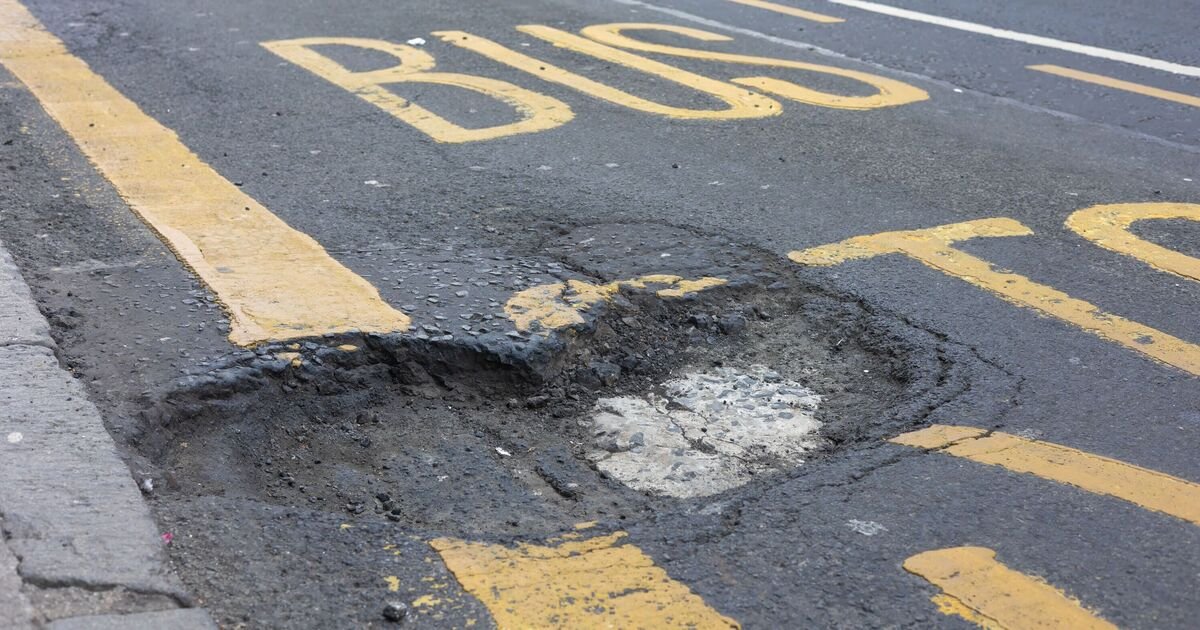
Potholes are not just annoying bumps that disrupt your morning commute. They are the result of water seeping into small cracks in the tarmac, which then freezes and expands or simply weakens the foundation of the road. Once the surface is compromised, the constant pressure from heavy traffic causes it to collapse.
For your vehicle, these craters are a nightmare. Regularly hitting deep holes can lead to premature tire wear, bent rims, and significant issues with your steering and suspension systems. The repairs are rarely cheap, and in the current climate, these costs can catch many of us off guard. Beyond car maintenance, they are a genuine safety risk for cyclists, who are far more vulnerable to these road defects. If you find yourself frequently driving on roads that look more like an obstacle course than a thoroughfare, it is wise to slow down and keep a sharp focus on the surface ahead.
Holding The Right People Accountable
When your car sustains damage from a road surface failure, your first thought is usually, “Who is responsible for this?” According to legal experts, the liability typically falls on the body responsible for maintaining that specific road. In most cases, this is your local council, which has a duty under the Highways Act 1980 to ensure roads are kept in a safe condition.
However, the situation can get tricky if the road has been dug up recently. Utility companies that perform maintenance or repairs are sometimes responsible for the state of the surface where they have worked. If the incident occurs on private property, such as a shopping center car park, the responsibility lies squarely with the owner of that land. Knowing who to point the finger at is the vital first step if you decide to pursue a claim for compensation.
Building Your Case For A Claim
Yes, you can actually seek compensation for the damage done to your car, but you must be prepared to do some detective work. Simply blaming the council is not enough; you have to prove that they were negligent in their duty of care.
To build a solid case, you need to be methodical. You must demonstrate that the council knew, or should have known, about the pothole and failed to fix it within a reasonable amount of time. Start by taking clear, dated photographs of the damage to your car and the pothole itself. It is also helpful to include measurements of the hole if you can do so safely. Keep every invoice and receipt from the garage that repaired your vehicle. If you have a dashcam, the footage could be the smoking gun that proves the damage happened exactly where and when you say it did.
Navigating The Rejection Hurdles
Do not expect the local authorities to cut you a check the moment you submit your forms. Councils often defend themselves by citing their inspection logs, arguing that they had a robust maintenance schedule in place and were unaware of the specific hazard. They may claim the pothole appeared shortly after their last routine check.
If your initial claim is rejected, do not give up immediately. You have the right to request their road inspection reports, internal records of public complaints, and their official repair policy. By comparing these documents against your own findings, you can see if their maintenance regime was truly as effective as they claim. If you have solid proof of neglect, you can escalate your appeal. While taking a case to small claims court is a last resort, it remains a valid path for those who are determined to hold the local government accountable for the condition of the streets we drive on every day.
Disclaimer: This content is auto-generated for informational purposes only.
Source: Read Original News