








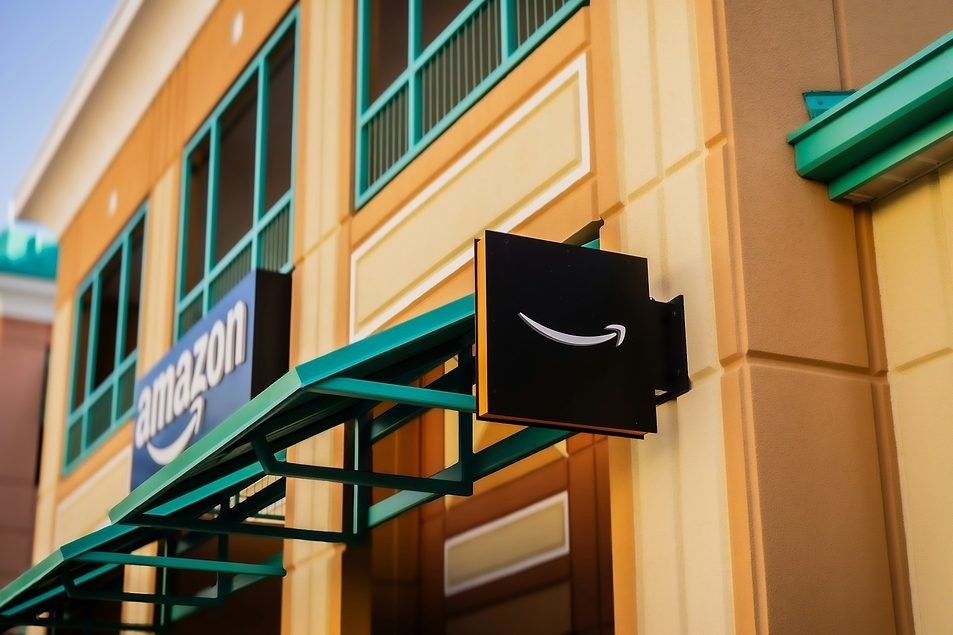
Amazon is significantly broadening the scope of its climate technology outreach, announcing on November 3, 2026, the expansion of its Sustainability Deep Tech Accelerator. The program, which previously focused solely on consumer electronics, will now incorporate three core business divisions—Amazon Devices, Amazon Web Services (AWS), and Amazon Private Brands—to create a more robust pipeline for integrating emerging sustainable technologies into the company’s massive global supply chain.
The expansion marks a strategic shift toward practical, industrial-scale application. By unifying these divisions, Amazon aims to help startups and developers transition from early-stage proofs-of-concept to technologies capable of meeting the rigorous cost, performance, and volume requirements of a multinational corporation. For the climate-tech sector, this provides a unique opportunity to interface directly with procurement and technical teams across diverse sectors, including cloud infrastructure, hardware manufacturing, and retail goods.
The accelerator’s mandate is centered on three primary pillars: circularity, energy efficiency, and material innovation.
In the realm of cloud computing and consumer electronics, Amazon is prioritizing “circularity”—the challenge of extending equipment lifespans and improving the recovery of critical components. As computing demands scale, the environmental cost of constant hardware upgrades has come under increased scrutiny. Amazon is searching for innovations in component recovery and material reuse that could curb the demand for virgin resources and minimize electronic waste.
Energy efficiency also remains a top-tier priority. With the rapid expansion of AWS infrastructure, technologies that reduce electricity consumption or optimize thermal management are in high demand. These innovations are expected to serve a dual purpose: lowering the carbon intensity of data centers while simultaneously improving the energy performance of Amazon’s growing catalog of electronic devices.
Furthermore, the program is targeting the decarbonization of physical goods. By including its Private Brands division, Amazon is seeking lower-carbon alternatives to conventional plastics, polymers, and textiles. The accelerator will evaluate a wide range of material sciences, including advanced batteries, semiconductors, displays, and sustainable packaging solutions.
A critical hurdle for many climate-tech startups is the “valley of death”—the period between successful laboratory research and mass-market deployment. The structure of this expanded accelerator is designed to bridge that gap. Rather than operating in silos, the program’s cross-divisional framework allows developers to test their technologies against multiple potential commercial applications simultaneously, without the need for redundant negotiation processes.
Participation in the accelerator is designed to be a pragmatic exercise in industrial integration. Companies will work toward proposals that satisfy product development timelines and manufacturing readiness. While the program is non-dilutive—meaning Amazon does not take equity from participants—the end goals are clear: licensing agreements, supply contracts, or technical partnerships that lead to measurable, large-scale carbon reduction.
It is important to note that acceptance into the program does not function as a guarantee of a purchase agreement. Technologies must still prove they can perform within existing manufacturing systems and remain economically viable at scale.
This initiative is a critical component of Amazon’s broader commitment to reach net-zero carbon emissions across its operations by 2040, a pledge established under The Climate Pledge in 2019. Whether the program succeeds will depend on its ability to move beyond technical demonstration and integrate high-performance, low-carbon solutions into the company’s actual manufacturing output.
Applications for the upcoming cohort are scheduled to open in January 2027. The program will be open to international applicants, signaling Amazon’s intent to scout for the most viable climate innovations, regardless of geography, to support its long-term decarbonization goals. Interested developers can register for updates and further program details through the official Amazon Sustainability Deep Tech Accelerator website.
Disclaimer: This content is auto-generated for informational purposes only.
Source: Read Original News