








Culinary Curfew: Kashmir’s Traditional Chefs Call Time on Midnight Wedding Feasts
For decades, the elaborate multi-course Wazwan feast has served as the heartbeat of Kashmiri weddings. Yet, the grandeur of these celebrations has increasingly become a point of contention, as the tradition of serving dinner well past midnight has left both hosts and catering staff exhausted. Now, in a decisive move that promises to reshape social life in the Valley, the Wazas—the master chefs responsible for these culinary masterpieces—have declared a firm end to the culture of late-night dining.
A Stand Against Midnight Feasts
During a pivotal meeting held in Srinagar this week, the Kashmir Waza (Chefs) Association announced that they will no longer accommodate service schedules that drag into the early hours of the morning. For years, the *Wazas* have worked grueling shifts, often finding themselves at the service of guests until dawn.
“We have collectively decided that the wedding feast must conclude by 10 pm,” stated Ghulam Nabi Baba, President of the association. “This shift is intended to bring relief to everyone involved—the hosts, the guests, and our own team of chefs who have been bearing the brunt of these extended hours.”
The association’s frustration stems from a growing trend where wedding schedules, though documented on invitation cards as starting in the afternoon, often slip by several hours. While lunch is traditionally meant to be served by 2 pm, it is frequently delayed until late afternoon, and the subsequent reception for the groom’s party often does not wrap up until the sun begins to rise.
Restoring Order to the Wazwan
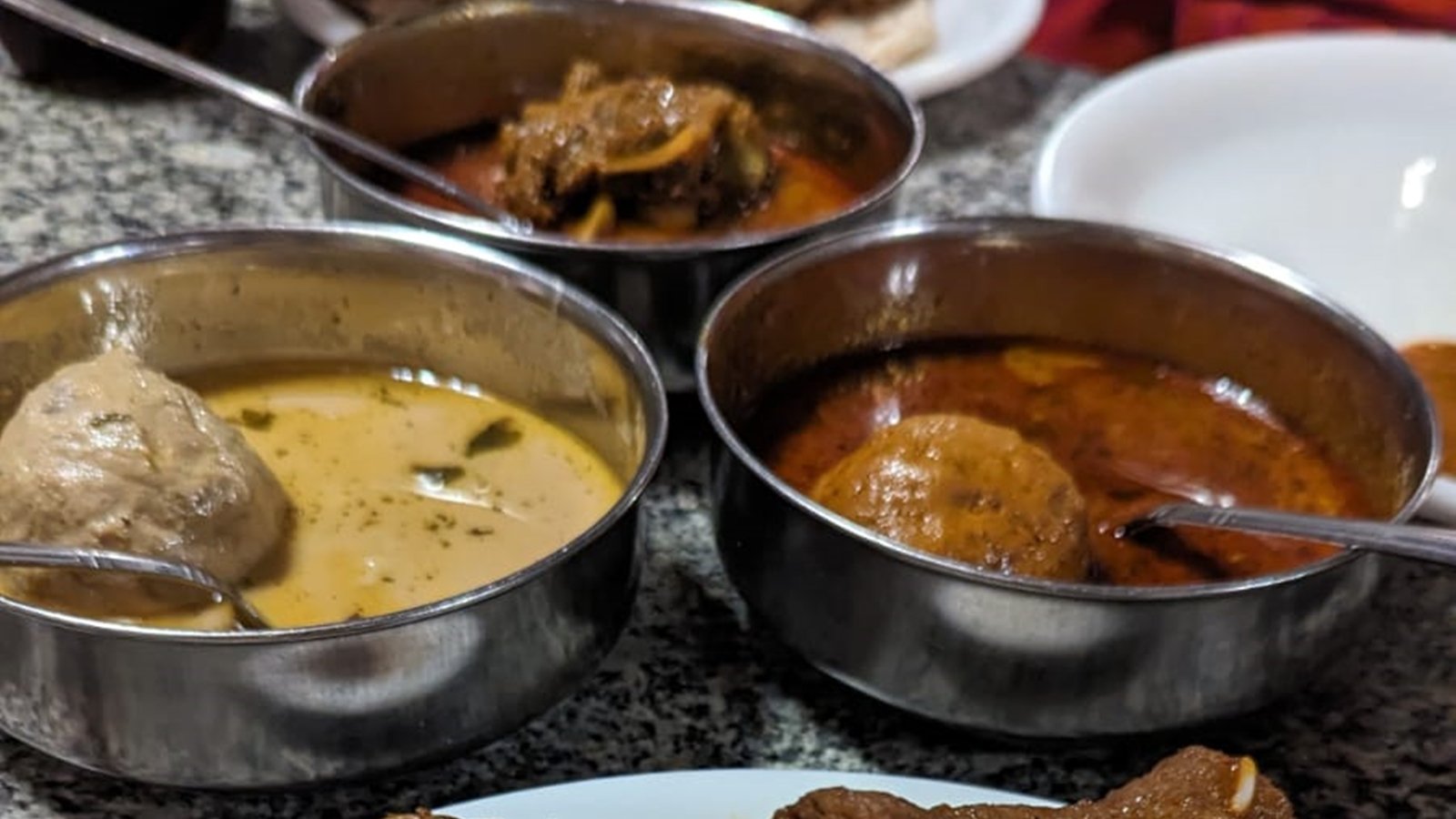
The *Wazwan*, a ceremonial banquet that can feature up to 15 intricate dishes—including *Rista, Tabakhmaaz, Roganjosh,* and *Goshtaba*—is deeply embedded in Kashmiri culture. Historically, the practice of hosting late-night dinners for the groom’s side surged as security conditions in the region improved, turning weddings into marathon events.
To curb this, the chefs have laid out clear, non-negotiable guidelines. Under the new mandate, lunch should be served by 2 pm for men and 3 pm for women, with all evening wedding receptions officially coming to a close by 10 pm. The association is taking a hardline approach to enforcement, shifting the burden of responsibility squarely onto the hosts.
Accountability and Agreements
The *Wazas* are now formalizing this cultural shift through legal-like documentation. According to Baba, the association is preparing a written agreement that hosts will be required to sign when booking their services.
“We will require a written undertaking from the organizers promising that the feast will be completed by the designated time,” Baba explained. “If the guests fail to arrive on time, we will pack up and leave. We cannot continue to sustain this practice where our labor is stretched to unreasonable limits due to poor planning or social delays.”
This policy will not be restricted to weddings alone; it will apply to all marriage-related functions, including engagements. By enforcing these time constraints, the Wazas hope to restore a sense of normalcy and discipline to the cherished traditions of the Valley, ensuring that the legendary Kashmiri hospitality is no longer synonymous with sleep-deprived labor.
Disclaimer: This content is auto-generated for informational purposes only.
Source: Read Original News