





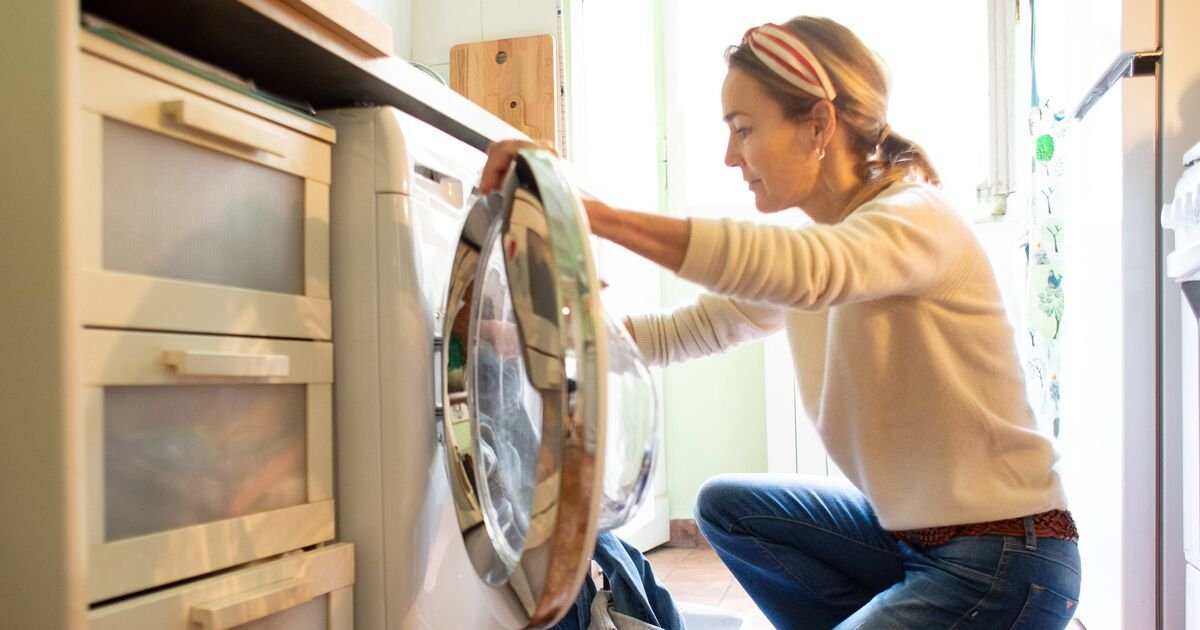
The Autumn Laundry Challenge
As the crisp autumn air settles in and the days grow shorter, the simple chore of doing laundry takes on a new level of difficulty. Gone are the golden afternoons where you could hang your sheets outside to soak up the sun and breeze. Instead, we are left with a persistent dampness that clings to the air, making it harder for our garments to shed their moisture. For those without a tumble dryer—or for those who prefer to save on energy costs—the result is often a mounting pile of wet fabric that refuses to crisp up.
Perhaps you have experienced that distinct, stale scent that clings to sweaters or denim after they have spent a day languishing on a drying rack. It is a common frustration, but it is not a permanent state for your wardrobe. With a few shifts in your process, you can achieve that sought-after freshness even during the rainiest months of the year.
Why Your Airer Needs a Partner
Using a clothes airer is a standard practice for many households, yet it often fails to provide the speed required to prevent that musty smell. The core issue is humidity. When you drape wet items over a rack in a poorly ventilated room, the moisture has nowhere to go. It simply saturates the surrounding air, creating a cycle where your clothes remain damp for far too long. This stagnant environment is a breeding ground for the bacteria that cause those unpleasant odours.
The solution favored by many home maintenance experts is to pair your drying rack with a dehumidifier. By placing one of these machines near your airer, you are effectively taking control of your indoor climate. A dehumidifier acts as a vacuum for excess moisture, pulling it out of the air before it has a chance to settle back into your clean fabrics. This creates an environment where evaporation can happen quickly, allowing your clothing to dry before the dampness can lead to any unwanted scents.
Mastering the Drying Room
To get the most out of this setup, placement is key. If your home has a smaller utility room, bathroom, or a spare bedroom that you can dedicate to laundry duty, take advantage of it. Set up your airer in the center of the space, position your dehumidifier nearby, and then close the door. By containing the air, you allow the dehumidifier to work much more efficiently.
This technique turns a small room into a high-performance drying station. Many people find that they can start a load in the morning and have everything bone-dry and ready to fold by the evening. It removes the stress of having drying racks cluttering up your main living areas for days on end, keeping your home feeling tidy and serene.
Beyond the Rack: Smart Prep Tips
While the dehumidifier is a major player, there are other small tweaks you can make to your wash cycle to ensure success. First, reconsider the habit of placing wet laundry directly onto radiators. While it seems like a quick fix, the direct heat can be harsh on delicate fibers and often just pushes moisture into the air without proper circulation, leading to condensation on your walls and windows.
Instead, focus on removing as much water as possible before the clothes even touch the airer. One of the most effective tricks is to run your laundry through an extra spin cycle at the maximum speed your machine allows. This extra burst of centrifugal force extracts a surprising amount of water from the fabric. When you pull the items out of the machine, they should feel damp rather than soaking, which significantly shortens the time they need to spend drying.
Maintaining Freshness Throughout the Season
Finally, remember the importance of airflow. Even with a dehumidifier, clothing that is packed too tightly on an airer will take longer to dry. Give your garments room to breathe by spacing them out across the bars. If you are drying larger items, try to rotate their position halfway through the day.
By combining the power of a dehumidifier, an extra spin cycle, and mindful spacing, you can transform your laundry routine from a chore that lingers for days into an efficient, quick process. Your clothes will smell clean, your home will stay free of excess humidity, and you can reclaim your living space from the shadow of the permanent drying pile. Transitioning into the colder months does not mean settling for less; with these simple adjustments, your laundry will feel as fresh as if it had been dried under a summer sun.
Disclaimer: This content is auto-generated for informational purposes only.
Source: Read Original News