



The winter season brings a certain charm to our daily lives. We trade our light jackets for cozy knit sweaters, prepare warm mugs of tea, and look forward to the crisp, frosty mornings. For those of us who share our homes with feline companions, it also means adjusting our routines to ensure our pets stay comfortable and happy. While we might be focused on keeping our own feet warm or picking out the perfect winter boots, it is equally important to think about the hazards that lurk just outside our front doors during these colder months.
The Invisible Winter Threat
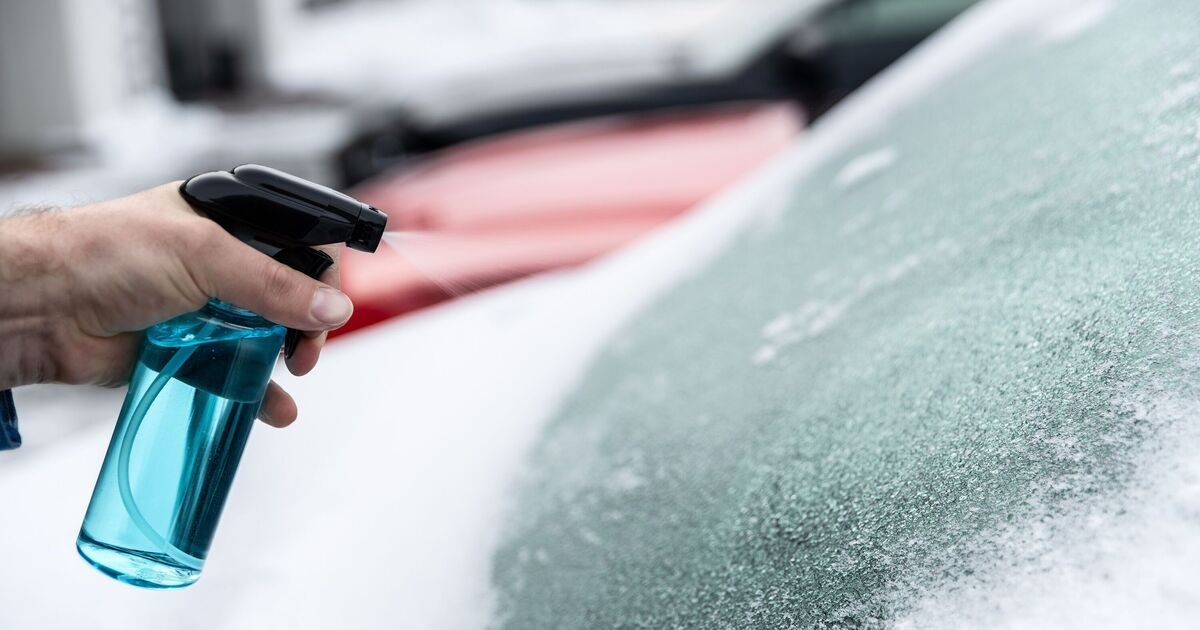
When the mercury drops, many of us start prepping our vehicles for the frost. We grab the de-icer, check the tires, and make sure our engine fluids are topped up. One substance that becomes common this time of year is antifreeze. It is a necessary tool for keeping our cars running in freezing temperatures, but it carries a hidden danger for cats. The substance contains ethylene glycol, a chemical that is unfortunately attractive to animals due to its sweet taste.
The risk is not just limited to a cat deciding to lap up a puddle. Because cats are meticulous about grooming, even a tiny amount of residue on their fur or paws can lead to disaster. If your cat brushes against a small spill on the driveway and then settles down for a cleaning session, they can ingest a lethal dose without ever having approached a bowl of the liquid directly. Recognizing that this danger is entirely accidental makes it even more vital for us to stay vigilant.
Spotting the Signs Early
One of the most challenging aspects of pet care is that our animals cannot tell us when they are feeling unwell. By the time a cat shows physical signs of poisoning—such as lethargy, vomiting, or difficulty walking—the chemical may have already caused significant damage to their internal organs, particularly the kidneys.
Because of how quickly these toxins act, time is the most precious resource you have. If you suspect your cat has spent time in an area where antifreeze might be present, you should not wait for symptoms to manifest. Reach out to your veterinarian immediately. Getting a professional assessment within the first eight hours of potential exposure significantly improves the chances of a positive outcome. It is always better to be cautious and find out that your pet is fine than to wait and face a much harder battle later.
Managing Post-Walk Hygiene
If your cat spends time outdoors, they are likely to encounter more than just antifreeze. Rock salt, which is scattered across sidewalks and roads to prevent ice buildup, is another common winter hazard. While it helps humans keep their footing, it can cause severe irritation to a cat’s sensitive paw pads. If your cat licks the salt off their feet, it can lead to thirst, vomiting, and, in more serious instances, organ distress.
To keep your cat healthy, treat their return from the outdoors like a mini spa session. Keep a warm, damp towel or a bit of pet-safe shampoo near the door. Gently wiping down their paws and belly is an easy habit to build. It removes any potential toxins before they have a chance to settle into your home or, more importantly, into your pet’s system. It is a quick task that gives you peace of mind and keeps your cat feeling refreshed after their chilly excursion.
Creating a Safe Winter Haven
While we cannot control what happens on the public street, we can certainly manage our own driveways and garages. If you park your car at home, take a quick glance at the ground underneath the engine bay every few days. If you notice any suspicious drips, clean them up immediately with an absorbent material, and ensure that any containers of automotive fluids are stored securely in a place where your cat cannot reach them.
Beyond the physical safety checks, winter is the perfect time to ensure your cat has plenty of indoor entertainment. When the weather is truly miserable, most cats are perfectly happy to curl up on a soft blanket inside. By creating a warm, cozy environment, you reduce the necessity for them to wander out into the cold, keeping them safe from the chemicals and ice that define the winter season. A little bit of proactive care goes a long way, ensuring that both you and your cat can enjoy the beauty of the season without unnecessary worry.
Disclaimer: This content is auto-generated for informational purposes only.
Source: Read Original News