








Border with China has become ‘more alive,’ says S. Jaishankar
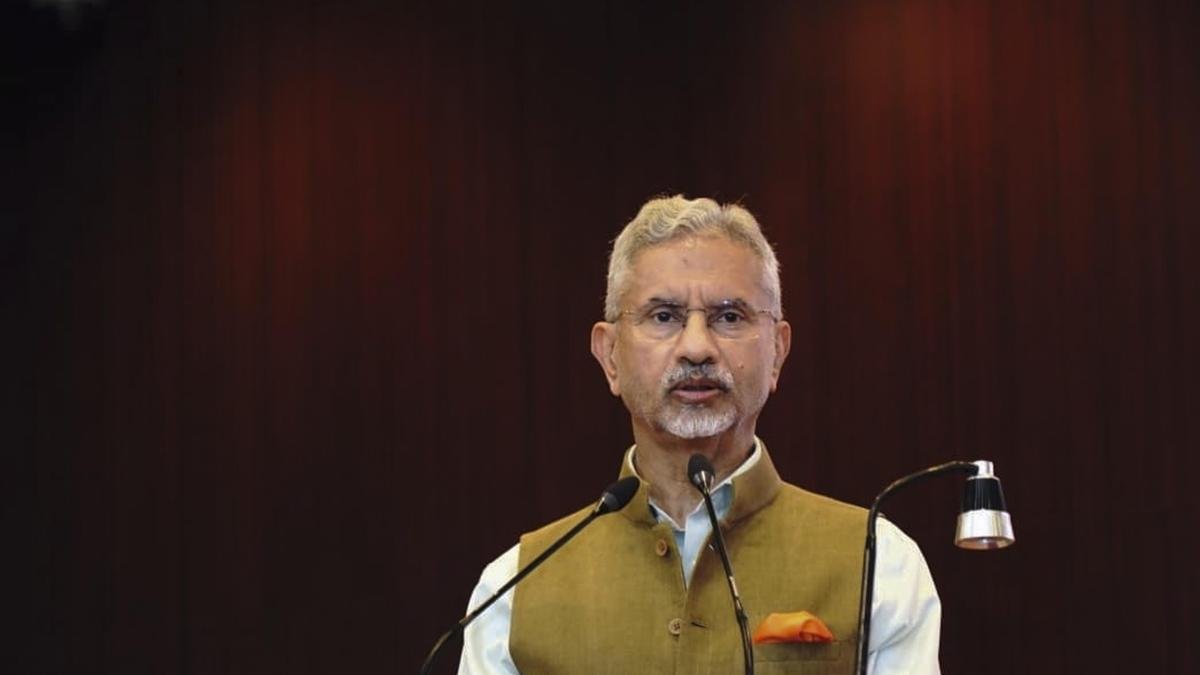
External Affairs Minister S. Jaishankar has stated that the border between India and China has become significantly “more alive,” necessitating a sustained and robust deployment of Indian troops. Speaking at the HT Leadership Summit on Saturday, November 14, 2026, the Minister highlighted how the government has strategically prioritized infrastructure development to bolster national security along the Line of Actual Control (LAC).
Strengthening Defense Infrastructure
Addressing the security landscape, Mr. Jaishankar noted that the period following the 2020 Galwan Valley clashes served as a turning point for India’s military posture. He emphasized that the frequent reports of new tunnels, bridges, and airfields being commissioned are evidence of a coordinated effort to improve logistics and connectivity in difficult terrains.
The Minister argued that prior to the last decade, border infrastructure suffered from significant neglect. He pointed out that while previous administrations often drafted plans, the actual ground reality remained stagnant. “If you look at the year-by-year progress in road construction, tunneling, and tactical positioning, it is evident that only in the last ten years has there been a sustained policy push and resource allocation,” he explained.
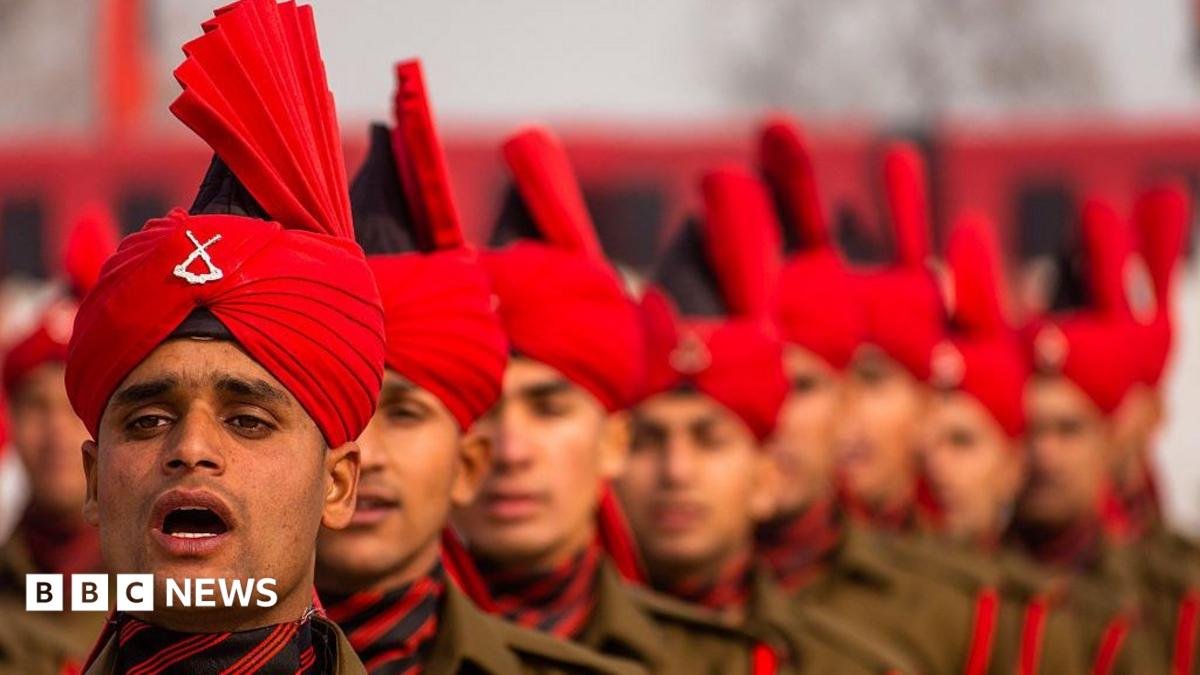
This infrastructure push has directly enhanced the Indian Armed Forces’ capacity to maintain a high level of troop deployment on a permanent basis. According to the Minister, this readiness is a result of long-term work that allows India to support its soldiers more effectively in sensitive zones.
Diplomatic Normalization and Economic Strategy
The remarks come against the backdrop of cautious optimism regarding India-China relations. Following a prolonged four-year military standoff, the two nations have begun efforts to mend ties, most notably after Prime Minister Narendra Modi and Chinese President Xi Jinping held discussions on the sidelines of the summit in Kazan, Russia, in late 2024. These talks focused on resolving friction points, including trade imbalances and mutual security concerns.
Beyond security, Mr. Jaishankar addressed the ongoing challenge of economic asymmetry between India and China. He reflected on the late 1980s, noting that at the time of Rajiv Gandhi’s historic visit to China, the two nations possessed economies of similar size. However, he lamented that India “missed the bus” on the massive industrialization wave that transformed China during that era.
A Path to Industrial Leap-frogging
Reframing the situation, Mr. Jaishankar insisted that India is no longer looking back but focusing on rapid advancement. He argued that the current government’s emphasis on domestic manufacturing and industrial policy is designed to correct these historical imbalances.
“You cannot play catch-up by staying on the same track. We have to engage in leap-frogging,” the Minister said. He underscored that in instances of structural economic asymmetry, India does not need to contest every domain. Instead, the strategy involves identifying specific areas of strength where India can achieve substantial growth and parity. By prioritizing strategic sectors, the government aims to build a resilient economic foundation that matches its security commitments on the border.
Disclaimer: This content is auto-generated for informational purposes only.
Source: Read Original News