






Military Modernization vs. Fiscal Prudence: The Agnipath Debate Intensifies
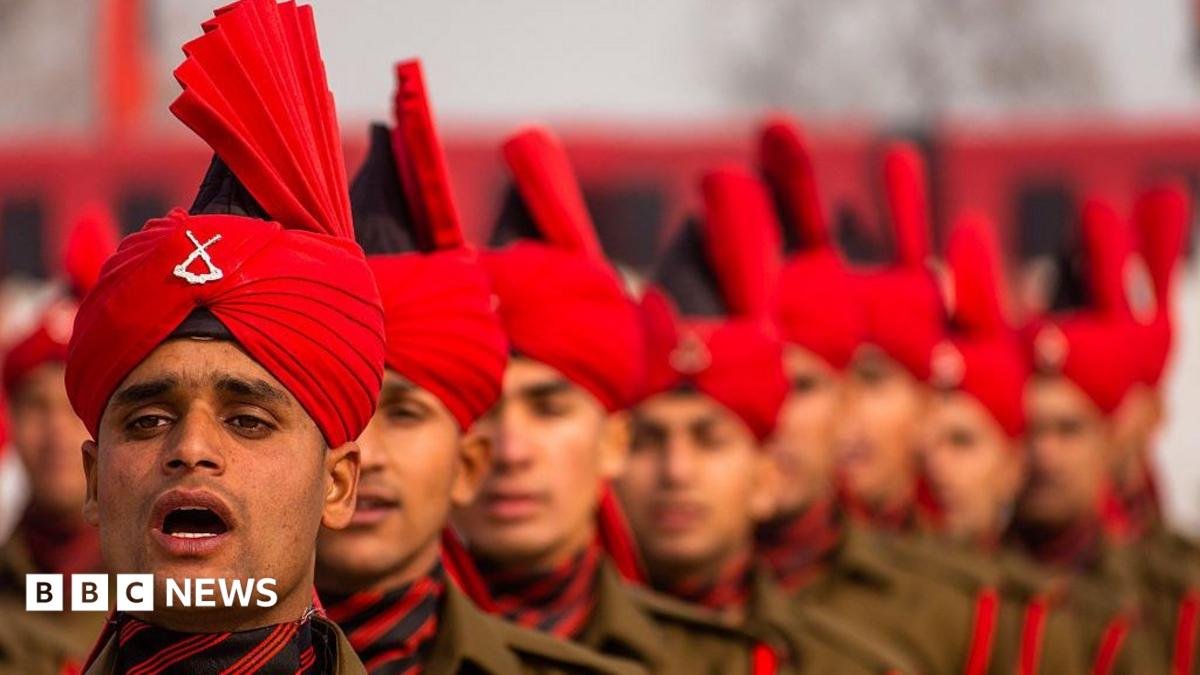
The Indian government’s flagship Agnipath military recruitment scheme remains at the center of a heated national discourse, as concerns mount over whether the initiative is achieving its primary objective: reducing the ballooning defence budget. With nearly half of India’s military spending currently consumed by salaries and pension obligations, the scheme was originally conceived as a strategic fiscal intervention. By transitioning to a shorter, contract-based tenure for soldiers, the government aimed to divert much-needed capital toward modernization, cutting-edge technology, and the procurement of advanced equipment.
However, the efficacy of this trade-off is now being sharply challenged by military veterans and policy analysts. Critics argue that while the pressure to shrink the financial burden of personnel costs is real, it must not undermine the operational readiness and effectiveness of the armed forces, particularly given India’s volatile security landscape.
The Cost of Readiness on Tense Borders
India continues to manage long-standing, year-round deployments along its borders with China and Pakistan. These active theatres demand not just high-tech weaponry, but deep, sustained operational experience. Experts like retired army personnel suggest that the current model of rapid rotation could inadvertently deplete the specialized skills required to manage high-stakes border tensions.
“We are not against structural reform, but the approach needs to be more nuanced,” says former officer Mor. He suggests that the government could achieve fiscal discipline through alternative measures, such as reducing the overall annual intake while extending the service period for those already in uniform. This, he argues, would maintain a better balance between long-term operational expertise and headcount management.
Investing in Technology and Human Capital
The evolution of modern warfare has necessitated a shift in how soldiers are trained. Major-General Birender Singh Dhanoa (Retd) points to the irony of spending substantial resources to train personnel on increasingly sophisticated military hardware, only to have those individuals rotate out of service relatively quickly.
“The financial outlay for modern, high-tech training is significant,” Dhanoa explains. “If you invest heavily in a soldier’s expertise to operate complex systems, common sense dictates that you should reap the benefits of that investment over a longer period to get the best ‘bang for your buck.'” Many veterans had originally recommended a model that extended service terms to eight or nine years, with a higher retention rate, as a more sustainable path to both fiscal stability and troop efficacy.
A Politically Charged Landscape
The debate has taken on a sharper edge as state elections approach in critical regions like Punjab, Uttar Pradesh, and Uttarakhand. These states have long been the primary heartlands for military recruitment, where a career in the armed forces is viewed not just as a service to the nation, but as a vital pillar of economic stability for local families.
Opposition parties, led by the Congress, have labeled recent adjustments to the scheme a political “u-turn,” alleging that the government is scrambling to mitigate voter dissatisfaction in these regions. For the young men currently approaching the end of their four-year contracts, the recent changes—which signal potential extensions—offer a glimmer of hope for greater experience and a possible long-term career. Yet, for many, the uncertainty remains a source of profound anxiety. While the government attempts to navigate the intersection of fiscal austerity and electoral politics, the ultimate question remains whether the Agnipath scheme can truly serve the dual purpose of a lean, modernized military and a sustainable professional future for India’s youth.
Disclaimer: This content is auto-generated for informational purposes only.
Source: Read Original News