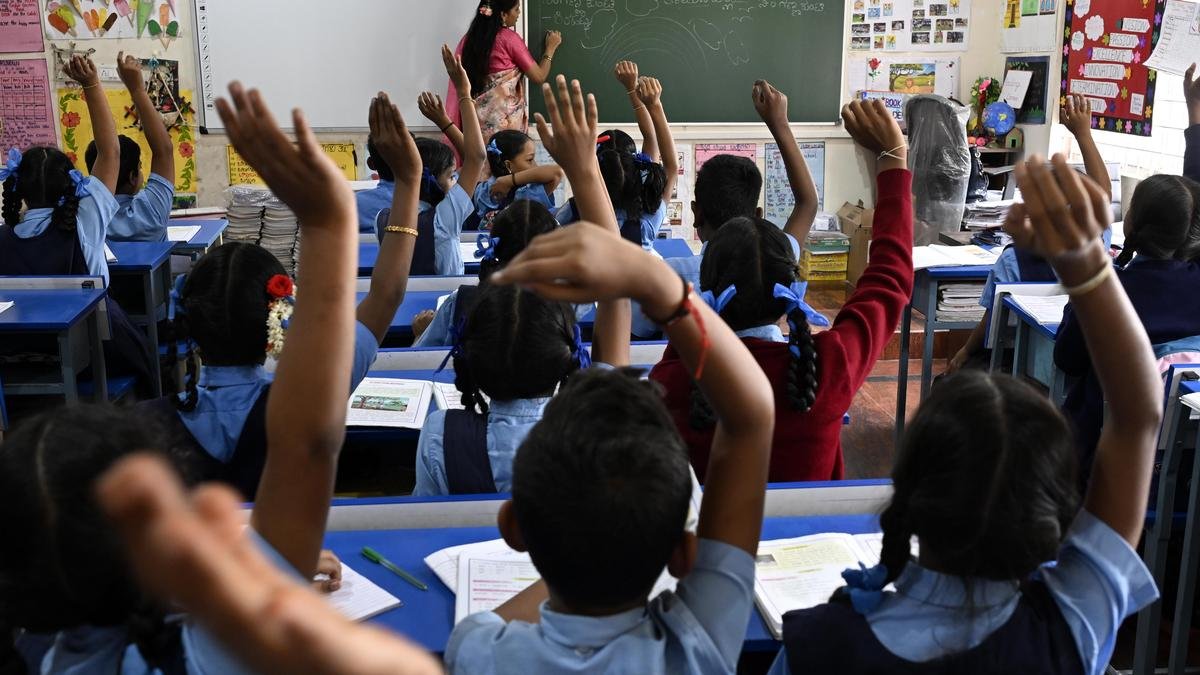








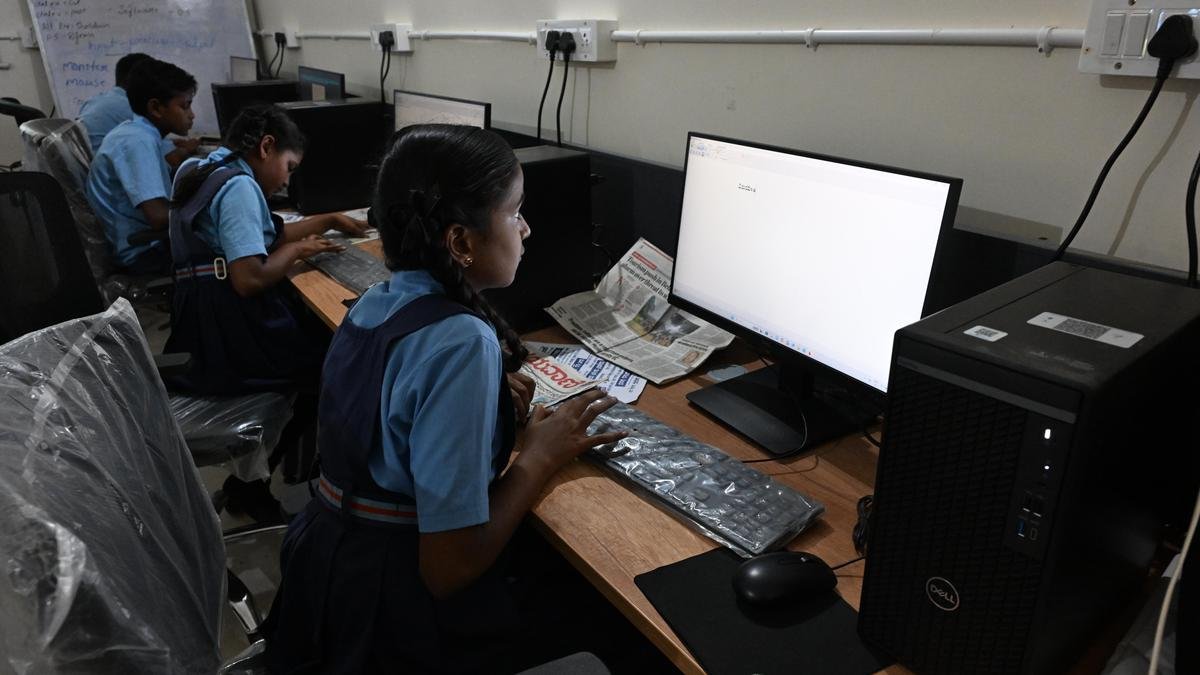
The digital divide in India’s education sector has reached a critical juncture. With recent data revealing that one in three schools across the country currently lacks a working computer for pedagogical purposes, the infrastructure gap poses a significant challenge to the integration of modern technology in the classroom. This structural deficit is occurring alongside a major policy shift: the National Council of Educational Research and Training (NCERT) has announced that students in Classes 10 and 11 will not receive revised textbooks until the 2027-28 academic session.
These dual realities—a lack of hardware and a delayed curriculum update—necessitate a fundamental rethink of how India delivers education.
The Right to Access and the Institutional Mandate
The Supreme Court of India has underscored that access to the internet is a fundamental right, a stance that carries profound implications for educational institutions. If the internet is a fundamental necessity, schools cannot treat it as an optional amenity. However, the current reality remains stark; in thousands of institutions, students are being left behind by an analog curriculum in an increasingly digital world.
Experts argue that waiting for universal home-based device ownership is an untenable strategy. Instead, the burden of bridge-building lies squarely on schools. Educational institutions must be redesigned as “equalizer hubs.” This means that the child who has the least access to digital resources at home must be the primary beneficiary of the infrastructure provided within the school walls. For the student without a smartphone or home Wi-Fi, the school’s computer lab is not just a room of equipment—it is their primary portal to the global knowledge economy.
Policy Shifts and the Textbook Timeline
The delay in the rollout of revised NCERT textbooks for Classes 10 and 11 until 2027-28 reflects the complexities involved in aligning national curricula with the goals of the National Education Policy (NEP). While textbook revisions are essential to keep content relevant, the transition period creates a vacuum.
During this interim period, institutions face a mounting challenge: how to teach outdated material while preparing students for a future that demands modern digital literacy. This delay highlights the urgent need for a “hybrid pedagogy.” If physical textbooks remain static for the next few years, schools must utilize digital supplements—if and when the hardware is made available—to provide the critical updates, deeper insights, and global perspectives that the updated NCERT curriculum intends to offer.
Redesigning the Classroom for Equity
To mitigate these disparities, the approach to classroom design must pivot from “access for all” to “access for those who need it most.” This involves several key policy and operational shifts:
- Optimizing Existing Resources: With one in three schools lacking working computers, local administrations must prioritize the repair and maintenance of existing digital assets over the purchase of new, complex equipment. A functional, networked computer is often more effective than a high-end device that lacks technical support.
- Teacher Training as Infrastructure: Technology in the classroom is only as effective as the teacher guiding its use. Investment must shift toward “digital pedagogy,” teaching educators how to use minimal resources to achieve maximum learning outcomes.
- Community-Centric Labs: Schools should consider extending the hours of their computer labs. If a student does not have internet access at home, the school should function as a community access point, allowing students to complete assignments, conduct research, and engage with online learning portals after regular school hours.
Preparing for the Future
The path forward requires a synchronization of hardware availability and curriculum evolution. While students in Classes 10 and 11 wait for their revised textbooks, they cannot afford to wait for the digital revolution to reach their classrooms.
By prioritizing the most vulnerable students and transforming schools into centers of high-speed, equitable connectivity, the education system can ensure that the fundamental right to the internet becomes a tangible reality. The goal of the 2027-28 academic transition should not just be a new book, but a new way of learning—one where the classroom is a gateway to infinite information, regardless of a student’s socioeconomic status.
Disclaimer: This content is auto-generated for informational purposes only.
Source: Read Original News