






India Unveils Massive 900-Gigawatt Clean Energy Roadmap for 2035
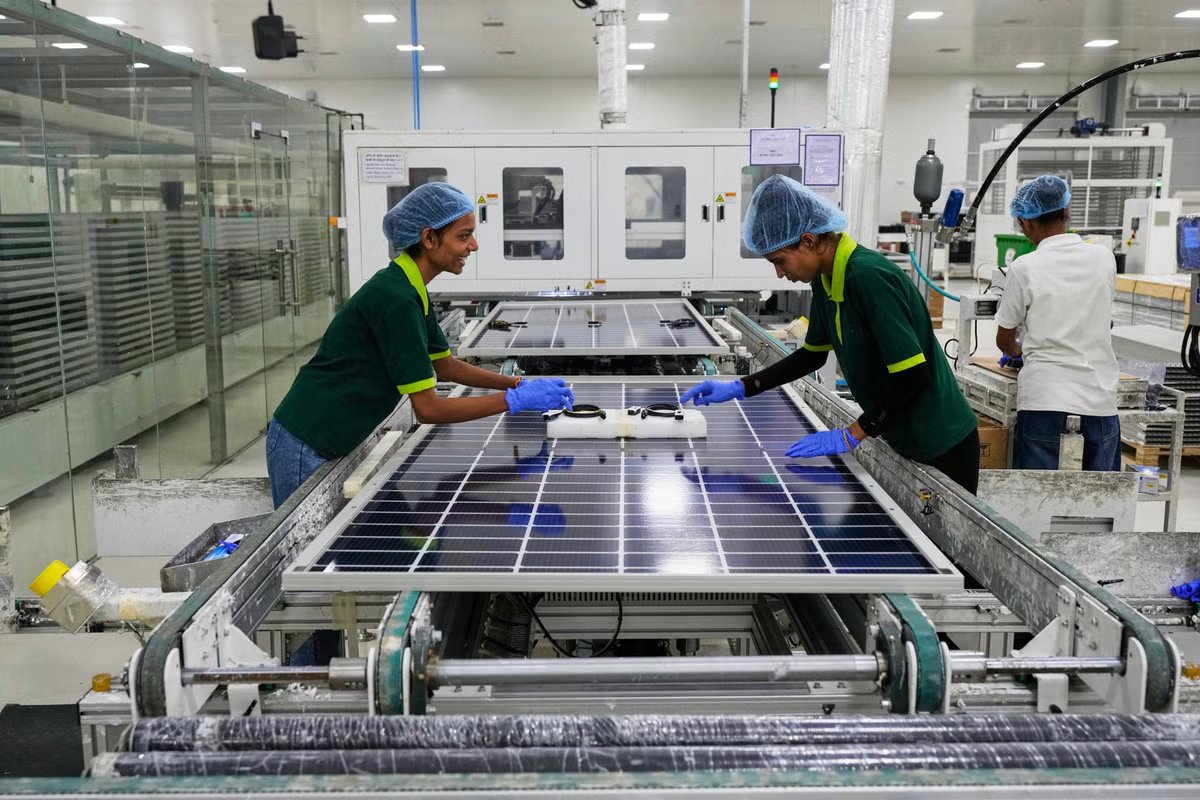
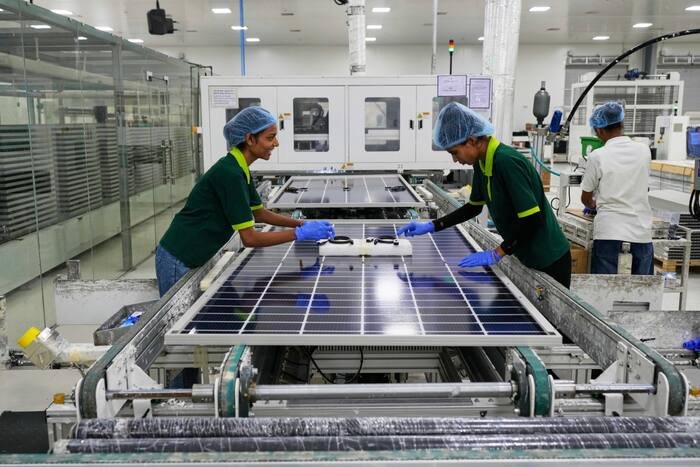
As international delegates gather for the COP31 climate talks in Turkey, India has signaled a major shift in its energy strategy. The world’s most populous nation has committed to an ambitious target of installing 900 gigawatts of non-fossil fuel power capacity by 2035—a goal that seeks to provide clean electricity to over one billion homes. This objective nearly doubles the country’s previous target of 500 gigawatts by 2030, underscoring India’s commitment to accelerating its transition away from traditional fossil fuels.
To facilitate this massive expansion, the Indian government has sanctioned a $20 billion investment toward grid upgrades and battery storage under the “Green Energy Corridor” program. This funding is critical to resolving the bottlenecks that have historically hampered the country’s ability to distribute wind and solar energy efficiently.
Addressing the Infrastructure Gap
While India currently ranks third globally in clean energy capacity—trailing only China and the United States—it faces significant hurdles in translating installed capacity into reliable supply. Recent data indicates that even though renewable sources account for over half of India’s power capacity, they contribute to only about one-third of actual electricity generation.
The existing transmission grid has struggled to keep pace with rapid green energy growth. In the last 16 months alone, transmission constraints led to the curtailment of enough solar power to supply roughly 10 million households. Nikit Abhyankar of the India Energy and Climate Center at UC Berkeley emphasizes that a modern, flexible grid is non-negotiable. “If the grid doesn’t catch up, there is no way India can meet this target,” he noted.
The Coal Dilemma
Despite the surge in renewables, coal remains the backbone of the Indian power sector, generating approximately 71% of the country’s electricity as of 2025. Policy planners, including the Central Electricity Authority, have expressed concerns regarding energy security, suggesting that India may require an additional 150 gigawatts of coal-fired capacity by 2035 to manage demand fluctuations.
However, many experts argue that this reliance is economically risky. Research from Berkeley suggests that beyond the 35 gigawatts of coal capacity currently in the pipeline, further investment in coal could result in “stranded assets.” As renewable energy and battery storage become increasingly cost-competitive, the necessity for new coal plants is expected to diminish.
Towards an ‘Electrostate’ Economy
Economists view this energy transition as the birth of an Indian “electrostate,” where electricity acts as the primary driver of industrial and household growth. By leveraging both its affordable labor force and rapidly cheapening clean energy, India aims to reduce its dependence on expensive imported fossil fuels.
“You now have two assets in India: cheap labor and cheap energy,” says economist Ajay Shah. However, achieving this vision requires significant regulatory reform. Experts suggest that the government must move away from its role as a market middleman, allowing for more direct private-sector investment and market-driven pricing.
Furthermore, the expansion of a domestic battery manufacturing supply chain remains a key priority. Reducing dependence on imported battery cells—currently sourced primarily from China—will be vital for India to capture the full economic benefits of its green transition. If successful, India’s model of scalable, affordable clean energy could serve as a vital blueprint for other nations in the Global South striving to modernize while cutting carbon emissions.
Disclaimer: This content is auto-generated for informational purposes only.
Source: Read Original News