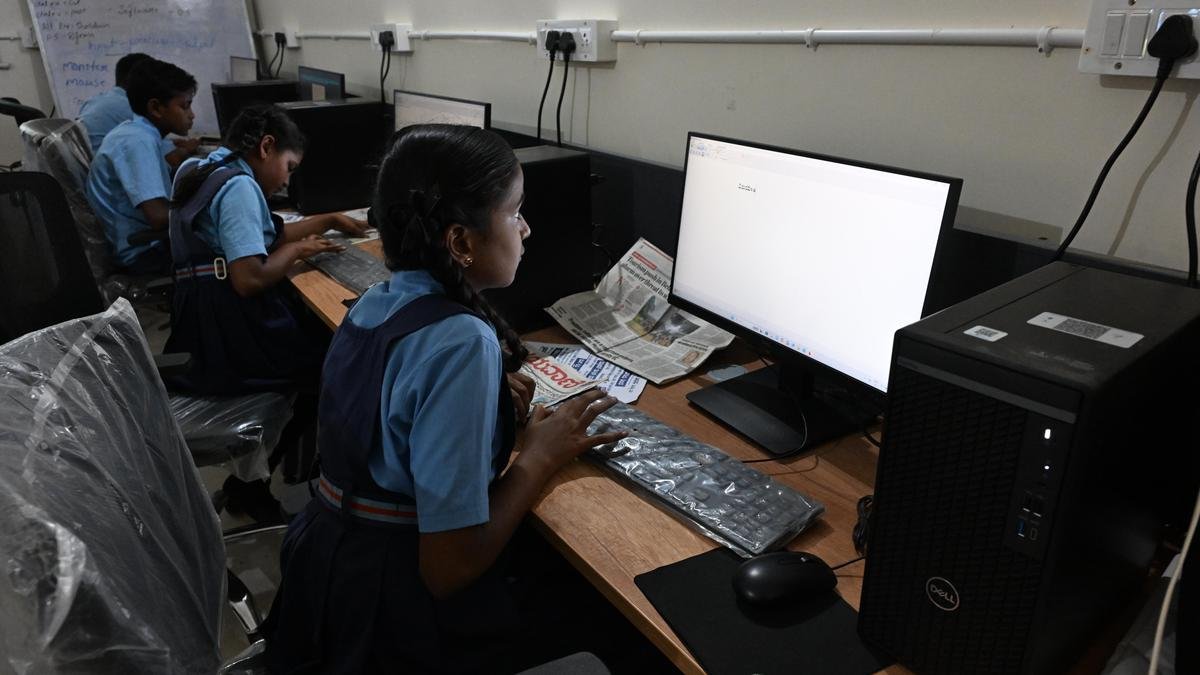







The traditional definition of “future readiness” in the Indian education system has long been tethered to the metrics of digital fluency and numeracy. However, a growing pedagogical movement argues that for the 12 crore children enrolled in government schools, true preparedness must include an intimate understanding of the living world. This shift is particularly urgent for students living on the periphery of protected areas, where human-wildlife co-existence is not a theoretical concept, but a daily reality.
Redefining Literacy: Beyond the Classroom Walls
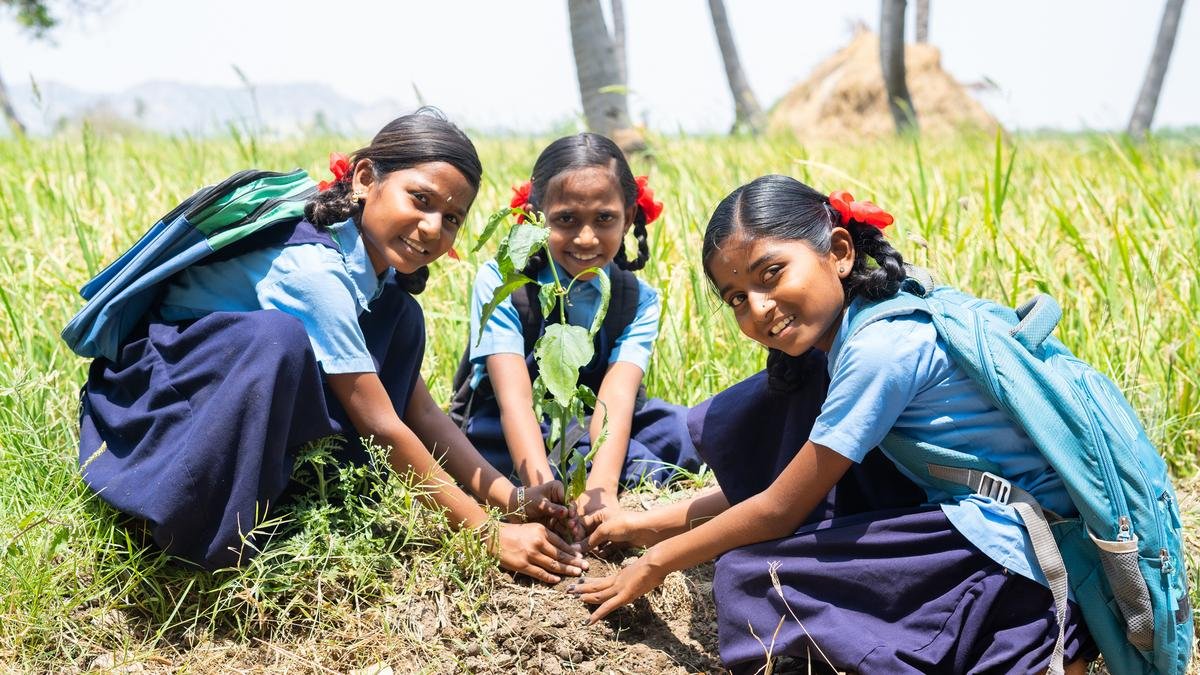
Recent classroom experiments, such as those conducted at GHPS Hebballa near Nagarahole National Park, highlight the disconnect between standardized curricula and the lived experiences of rural students. When a sixth-grader named Laxmikant was asked to visualize an elephant’s habitat, his initial hesitation reflected a conflict: he knew elephants only as disruptive forces that damaged crops and instilled fear in his village.
By guiding students to map the forests, water sources, and open spaces that constitute an animal’s home, educators are moving away from rote memorization. This represents a shift toward “ecological literacy”—a form of learning that integrates environmental science with local sociology. Policymakers are increasingly recognizing that if education is to be meaningful, it must address the environment in which the learner resides.
Policy Shifts and Institutional Adaptation
The National Education Policy (NEP) emphasizes experiential learning, yet integrating biodiversity into the formal assessment framework remains a challenge. Currently, exams favor objective, textbook-based knowledge that often overlooks the complexities of local ecosystems. To address this, pedagogical experts are calling for a decentralization of curriculum development.
Educational institutions in biodiversity-rich zones are being encouraged to incorporate “living labs.” Instead of teaching ecology exclusively through diagrams in a textbook, schools are leveraging local community knowledge. This policy shift aims to transform the classroom into a space where students can reconcile their own experiences—such as human-wildlife conflict—with broader conservation goals. By doing so, the school becomes a bridge between traditional community wisdom and modern scientific understanding.
Preparing the Next Generation for Conflict and Coexistence
“Future readiness” is often discussed in the context of job markets and technology, but for millions of Indian students, climate resilience and wildlife management are the defining issues of their future. Preparing students for this reality requires a pedagogical framework that moves beyond fear-based narratives.
When children learn to map animal corridors or understand the behavioral patterns of local wildlife, they move from a position of victimization to one of informed management. This approach has direct implications for institutional goals:
- Integrating local context: Moving away from a “one-size-fits-all” national curriculum toward region-specific modules.
- Teacher training: Equipping educators in rural belts to mediate discussions on human-wildlife conflict.
- Assessment innovation: Developing project-based evaluations that reward critical thinking about regional environmental issues rather than just standardized test scores.
The Future of Rural Pedagogy
The story of Laxmikant is a microcosm of a larger educational opportunity. If the 12 crore children in government schools—many of whom live in or near India’s vast forest corridors—are equipped with a deep understanding of their ecological neighbors, they become active participants in national conservation efforts.
Ultimately, education in the 21st century must serve two masters: the global demands of the digital economy and the local imperatives of the natural world. By broadening the scope of what we define as “essential skills,” India can ensure that its future citizens are not only numerically and digitally fluent but are also stewards of the unique landscapes they call home. As the landscape of education evolves, the success of these students will be measured not just by their performance in standardized exams, but by their capacity to coexist sustainably with the living world around them.
Disclaimer: This content is auto-generated for informational purposes only.
Source: Read Original News