







A Legacy of Innovation Approaches a Plateau
As the technology industry approaches 2027, anticipation surrounding the twentieth anniversary of the original iPhone has reached a fever pitch. Since Steve Jobs unveiled the device in 2007, the iPhone has served as the primary engine for Apple’s financial growth and a benchmark for the global smartphone market. However, industry analysts and leaked supply chain data suggest that the upcoming iPhone 20 Pro may represent a significant departure from the tradition of radical reinvention. Rather than serving as a technological milestone, this iteration appears to be a study in refinement and incremental progress, raising questions about whether the platform has finally reached a point of saturation.
The history of the iPhone is punctuated by moments of genuine paradigm shifts. The introduction of the Retina display, the transition to the A-series custom silicon, and the shift to the form factor established by the iPhone X all altered how users interact with hardware. In contrast, the internal roadmap for the iPhone 20 Pro points toward iterative updates in processing power and display efficiency rather than a structural overhaul. For a product line expected to commemorate two decades of digital transformation, this focus on subtle improvement underscores a broader trend: the smartphone hardware sector is moving toward a mature, stable state where massive breakthroughs are becoming increasingly rare.
The Architecture of Incrementalism
At the heart of the iPhone 20 Pro lies the continued evolution of the A-series silicon, likely utilizing a further refined sub-three-nanometer process node. While these chips provide substantial gains in computational density and thermal management, they are becoming less visible to the end user. Modern mobile applications have reached a plateau in performance demands, meaning that the increase in raw processing capability is now directed primarily toward background tasks and computational photography pipelines.
The display technology expected in this release demonstrates a similar focus on optimization. Engineers are prioritizing power efficiency and sustained peak brightness rather than introducing new display form factors or materials. While foldable screen technology remains a point of intense curiosity for many enthusiasts, internal reports suggest that Apple is choosing to wait for higher yields and improved durability before applying such designs to its flagship anniversary device. The decision to stick with the established slab-style hardware indicates that the company believes the current form factor is the optimal balance of usability and mass-production reliability.
Redefining User Experience Through Software
If the hardware remains stagnant, the real impact of the iPhone 20 Pro must arrive via the software ecosystem. The integration of advanced artificial intelligence models directly onto the device—on-device inference—is where Apple is placing its primary strategic bets. By leveraging the Neural Engine to perform complex language processing without cloud dependency, the operating system can offer highly personalized automation, predictive typing, and real-time environment analysis.
For professional users, this shift provides tangible value. Improved on-device intelligence allows for more robust integration between third-party productivity suites, allowing the device to act as a more efficient hub for digital workflows. However, this shift highlights the difficulty of marketing software-based improvements compared to physical hardware redesigns. A new processor or a refined set of cameras provides a concrete marketing hook, whereas intelligent software optimization often operates invisibly. This creates a disconnect where the most powerful features of the iPhone 20 Pro are the ones that are hardest to visualize in promotional materials.
The Camera System and Computational Photography
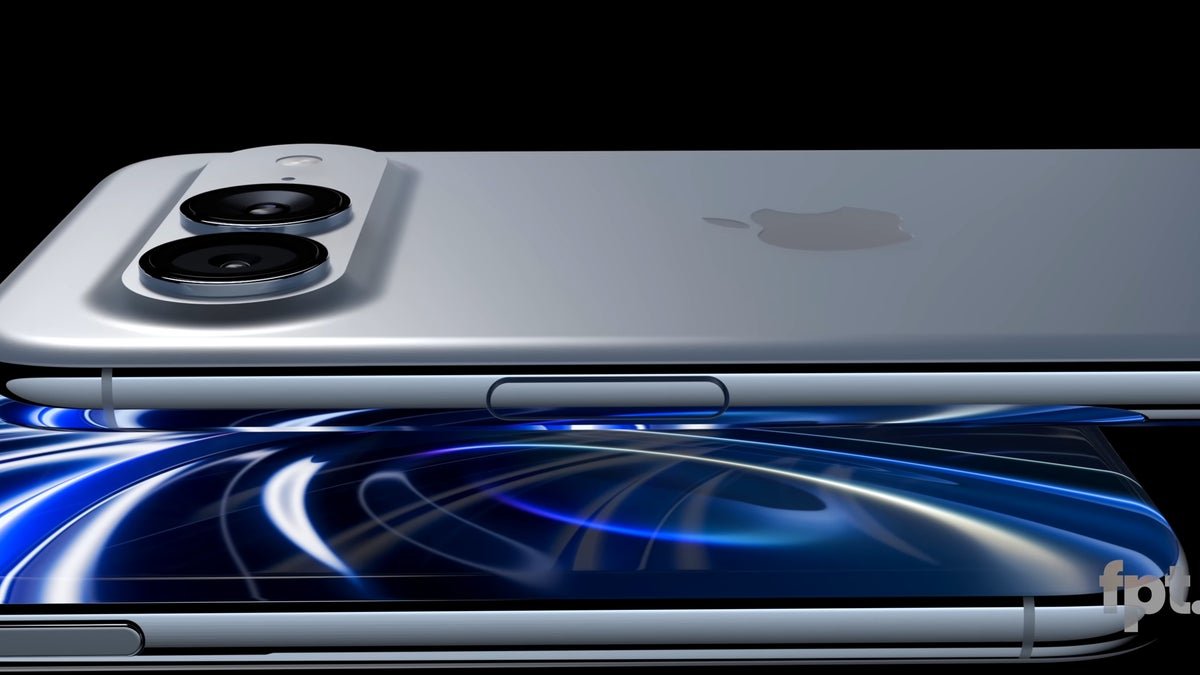
The optics on the iPhone 20 Pro are expected to feature updated sensors and improved photon capture, continuing the trend of relying on computational pipelines to overcome physical constraints. The use of larger sensor stacks and improved aperture control allows for better low-light performance, but the fundamental limitations of the thin smartphone chassis prevent the radical optical zooms seen in some competitors.
Instead of chasing hardware parity with heavy-duty optical rigs, the focus remains on the software layer that synthesizes images. Advanced color science, real-time depth mapping, and improved AI-assisted noise reduction are the tools that separate the latest model from its predecessors. This is a vital use case for the target demographic: creators and professionals who rely on the phone as an all-in-one capture tool. The impact here is significant, as it lowers the barrier for entry for high-quality video production, though it remains a marginal gain rather than the transformative leap seen in previous decades.
Market Saturation and the Future of the Smartphone
The relatively conservative approach taken with the iPhone 20 Pro reflects a broader reality within the global technology market. Consumer electronics have entered a cycle of long-term retention, where users hold onto their devices for three to four years rather than upgrading annually. In this environment, the necessity for a radical, “anniversary-defining” redesign is lower than it was during the era of rapid feature adoption. Companies are now optimizing for stability and ecosystem stickiness rather than high-risk experimentation.
While some consumers may find this lack of radical change disappointing given the milestone, it suggests a successful transition to a mature product lifecycle. The iPhone has moved from being a disruptive gadget to a essential utility. By prioritizing reliability, performance efficiency, and seamless software integration, the iPhone 20 Pro cements the device’s place as a foundational piece of infrastructure. While it may not generate the same level of cultural shock as the original model in 2007, it represents the refinement of a platform that has successfully integrated itself into every aspect of modern existence. For the average user, this refinement is not just the least interesting choice—it is the most practical one.
Disclaimer: This content is auto-generated for informational purposes only.
Source: Read Original News