







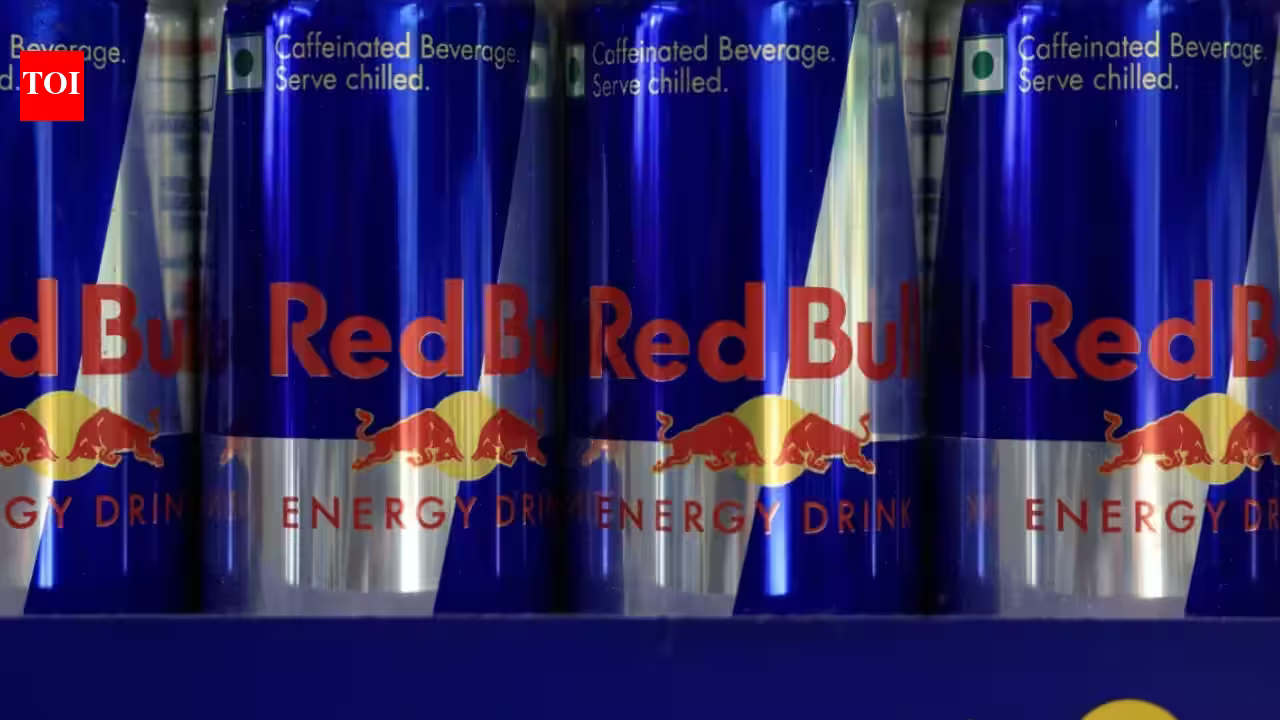
The Regulatory Tug-of-War: FSSAI and the Energy Drink Category
The Food Safety and Standards Authority of India (FSSAI) has intensified its scrutiny of the functional beverage segment, with Red Bull at the center of a significant regulatory dispute. The conflict revolves around the fundamental definition and marketing of “energy drinks” in the Indian market. The regulator has issued a formal notice to Red Bull, demanding justification for its product labeling and composition, specifically highlighting concerns over high added-sugar content. This development is not merely a label dispute; it represents a broader challenge to how high-caffeine and high-sugar beverages are marketed to a growing Indian consumer base that is becoming increasingly health-conscious.
The core of the regulator’s argument is that the term “energy drink” functions as a marketing construct that potentially masks the high caloric density of the product. By focusing on the scientific substantiation of the energy-related positioning, the FSSAI is questioning whether the energy derived by the consumer is a result of functional ingredients or simply the rapid metabolism of high quantities of sucrose. This interrogation poses a existential threat to the branding strategies of major global players who have built their market share on the premise of vitality and performance enhancement.
Nutritional Concerns and the Sugar Intake Threshold
At the heart of the regulatory objection is the math of consumption. FSSAI has noted that Red Bull contains 11 grams of sugar per 100 ml. In a standard 500 ml serving, this results in an intake of 55 grams of sugar. This figure surpasses the generally recommended daily limit of 50 grams for a healthy adult diet, as suggested by various health organizations. The regulatory concern is twofold: first, the absolute quantity of sugar in a single serving, and second, the implicit safety message contained in consumption advisories.
When a brand advises that consumption should not exceed 500 ml per day, the regulator posits that this might be interpreted by consumers as a endorsement of safety. In the context of India’s ongoing struggle with rising lifestyle-related health issues, such as type-2 diabetes and obesity, the government’s shift toward stricter nutritional transparency is logical. The FSSAI is effectively shifting the burden of proof onto the manufacturer, requiring them to demonstrate that the nutritional profile of the beverage aligns with the health claims implied by its category classification. If the sugar content is the primary driver of the “energy” experience, the regulator argues that labeling it solely as an “energy drink” is misleading to the public.
Industry Challenges and Legal Precedents
The legal landscape surrounding this issue is complex and evolving. Since June, when the FSSAI initially moved to restrict the use of the “energy drink” label, major industry players, including PepsiCo, Monster Beverage, and Reliance Consumer, have joined Red Bull in seeking judicial intervention. The argument presented by these firms is procedural: they contend that the regulator imposed restrictions without sufficient prior notice or a consultative process, effectively disrupting their supply chains and marketing operations without a fair hearing.
The Delhi High Court’s current role as an arbiter in this case is critical. While Red Bull managed to secure an interim injunction allowing the continued use of its current labeling, its competitors were directed to comply with the FSSAI’s initial orders to cease using the term “energy drink.” This has created an uneven playing field, where the market leader continues to trade under its established brand identity while competitors are forced to pivot their branding in real-time. The FSSAI’s decision to challenge the relief granted to Red Bull indicates a firm commitment to standardizing the regulatory environment across the entire industry. The outcome of the upcoming court hearings in January will likely set a lasting precedent for how functional beverages are classified and marketed within India.
Impact on Market Dynamics and Future Consumption
The Indian functional beverage market has seen rapid expansion, fueled by urban lifestyles, the influence of global marketing, and the demand for performance-boosting products among the youth demographic. However, this sector has historically existed in a regulatory gray area. If the courts uphold the FSSAI’s position, companies will likely be forced to move away from the “energy drink” nomenclature. This would necessitate a massive rebranding effort, requiring companies to adjust their marketing campaigns, packaging, and perhaps even reformulate their products to lower sugar content.
For the consumer, this could lead to greater clarity. If the FSSAI’s requirements result in clearer nutritional front-of-pack labeling, individuals will be better equipped to make informed choices. However, for the industry, such changes present significant operational and financial hurdles. The cost of reformulating a globally standardized recipe is immense, as is the cost of reprinting packaging for a massive market like India. Furthermore, the loss of the “energy” branding could impact consumer perception and, by extension, sales volume. Businesses will need to demonstrate agility, potentially shifting their focus toward “zero-sugar” iterations or alternative functional beverages that do not rely on high sugar volumes to deliver their perceived benefits.
The Broader Context of Public Health in India
This dispute is symptomatic of a larger global trend toward stricter oversight of the food and beverage industry. In India, where the FSSAI is increasingly proactive in addressing non-communicable diseases, the regulatory pressure on companies to minimize high salt, sugar, and fat (HFSS) content is growing. The government is signaling that convenience and commercial interest cannot supersede public health goals.
Investors and stakeholders in the FMCG sector should view this case as a harbinger of future policy shifts. Regulatory authorities are no longer just concerned with food safety—the absence of contaminants—but are actively participating in the debate on nutritional quality and marketing honesty. Companies that proactively reformulate products to meet international health standards and embrace transparency in labeling are likely to be better positioned for long-term survival in the Indian market. Conversely, those that rely on opaque definitions and aggressive marketing to sustain demand may find themselves increasingly marginalized by a tightening regulatory grip. As the January court date approaches, the industry awaits a decision that will define the functional beverage category in India for the next decade.
Disclaimer: This content is auto-generated for informational purposes only.
Source: Read Original News