






The Evolution of Smartphone Sensor Technology
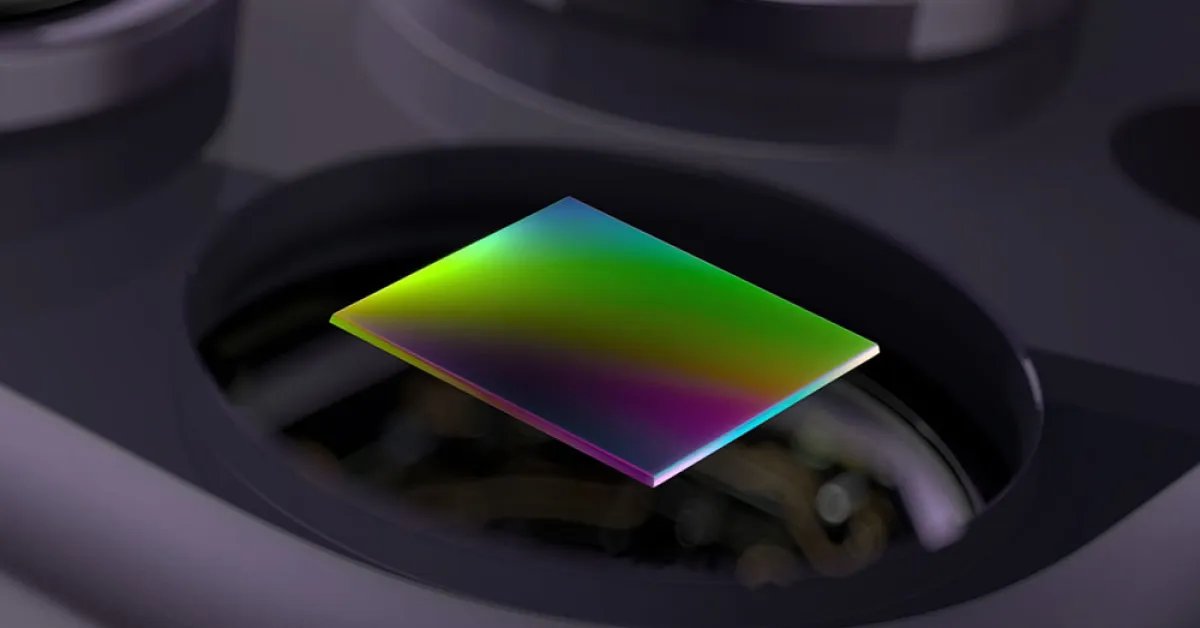
For years, the smartphone industry has engaged in a race for higher megapixel counts, often at the expense of individual pixel size. While a 48-megapixel or 200-megapixel sensor sounds impressive on a marketing sheet, the physical constraints of a smartphone chassis limit the dimensions of the sensor itself. In photography, the sensor is the digital retina of the camera. When sensors are small, the individual photosites—the components that capture light—must be tiny. This reduction in size leads to increased signal noise, particularly in challenging low-light environments, forcing the software to rely heavily on aggressive image processing to compensate for the hardware limitations.
The persistent interest in larger sensors stems from a fundamental physical principle: a larger surface area allows for larger individual pixels. These larger pixels possess a greater capacity to collect photons, resulting in a higher signal-to-noise ratio. This translates to cleaner images, better dynamic range, and improved color accuracy without needing the heavy-handed computational photography that often leaves smartphone images looking overly processed or “painted.” As Apple approaches the milestone of the iPhone 20, rumors regarding a significant shift in sensor architecture have gained momentum, signaling a potential move toward hardware-led image quality improvements.
Understanding the 17nm Logic Process Upgrade
Recent industry reports indicate that the upcoming iPhone 20 Pro may incorporate a new sensor utilizing a 17nm logic process. To understand the significance of this, one must look at how modern CMOS sensors are built. A camera sensor is not merely a piece of silicon; it is an integrated circuit that includes logic circuitry for signal readout, processing, and data transmission. By shrinking the manufacturing process to 17nm, Apple and its supply chain partners can achieve higher transistor density and improved power efficiency.
This transition from older, larger process nodes to a 17nm architecture suggests that the sensor will be capable of processing information much faster than current iterations. High-speed readout is critical for modern computational features like zero-shutter-lag burst shooting, real-time HDR video processing, and high-frame-rate 4K or 8K recording. While a move to a 17nm process does not automatically dictate the physical size of the sensor, it provides the necessary foundation for more sophisticated on-sensor processing, allowing the device to handle complex image data with lower latency and improved thermal management.
The Telephoto vs. Main Camera Debate
Previous discussions regarding the future of iPhone photography have centered on a proposed 200MP sensor. However, early speculation suggested this high-resolution component might be reserved exclusively for the telephoto lens. The rationale is twofold: telephoto lenses generally operate in high-contrast, well-lit scenarios where the abundance of light allows for the effective use of tiny pixels. Furthermore, high resolution is highly desirable for telephoto modules, as it allows for significant digital cropping to achieve longer effective focal lengths without the bulk of a true optical zoom system.
However, many enthusiasts argue that the main wide-angle camera requires a physical size increase more urgently than the telephoto lens. The main camera is the primary tool for general photography, night portraits, and low-light street captures. If Apple follows the pattern of reserving high-resolution sensors for specialized lenses while keeping the main camera’s resolution relatively moderate, it could prioritize light-gathering capability over sheer pixel count. This approach would be a welcome departure from the trends of the past few years, placing a premium on pure image data rather than software-enhanced resolution.
The Impact of Physical Sensor Size on Image Quality
The primary challenge for any smartphone manufacturer is balancing thickness with sensor dimensions. A larger sensor necessitates a larger lens assembly, which creates the physical “camera bump” seen on modern devices. If the iPhone 20 Pro is to move toward a significantly larger sensor, the design of the handset may undergo a notable change to accommodate the increased optical path length.
The impact of this potential change would be immediate for the end user. Larger sensors inherently produce a shallower depth of field, which creates a more natural background blur—often called “bokeh”—in close-up photography. This optical phenomenon is more pleasing to the eye than the digital, software-generated blur currently used in Portrait Mode. Furthermore, better light capture means that the iPhone could maintain faster shutter speeds in dim conditions, reducing motion blur and producing sharper images of moving subjects in indoor settings.
Looking Toward the iPhone 20th Anniversary
The choice of the “iPhone 20” branding reflects the strategic importance of the device’s 20th anniversary. As the product line matures, hardware innovation has transitioned from display quality and processing power to the pursuit of professional-grade imaging. By integrating a sophisticated 17nm logic sensor, Apple is positioning its flagship smartphone to bridge the widening gap between mobile photography and traditional digital SLR or mirrorless cameras.
Whether this new sensor includes a literal increase in surface area or merely an advancement in internal logic, the focus on the underlying architecture suggests a move away from superficial spec-sheet metrics. For the professional creator or the everyday user, this shift indicates that the next generation of Apple mobile devices may finally offer the hardware capability required to compete with dedicated cameras, potentially redefining the standards for mobile imagery for years to come.
Disclaimer: This content is auto-generated for informational purposes only.
Source: Read Original News