







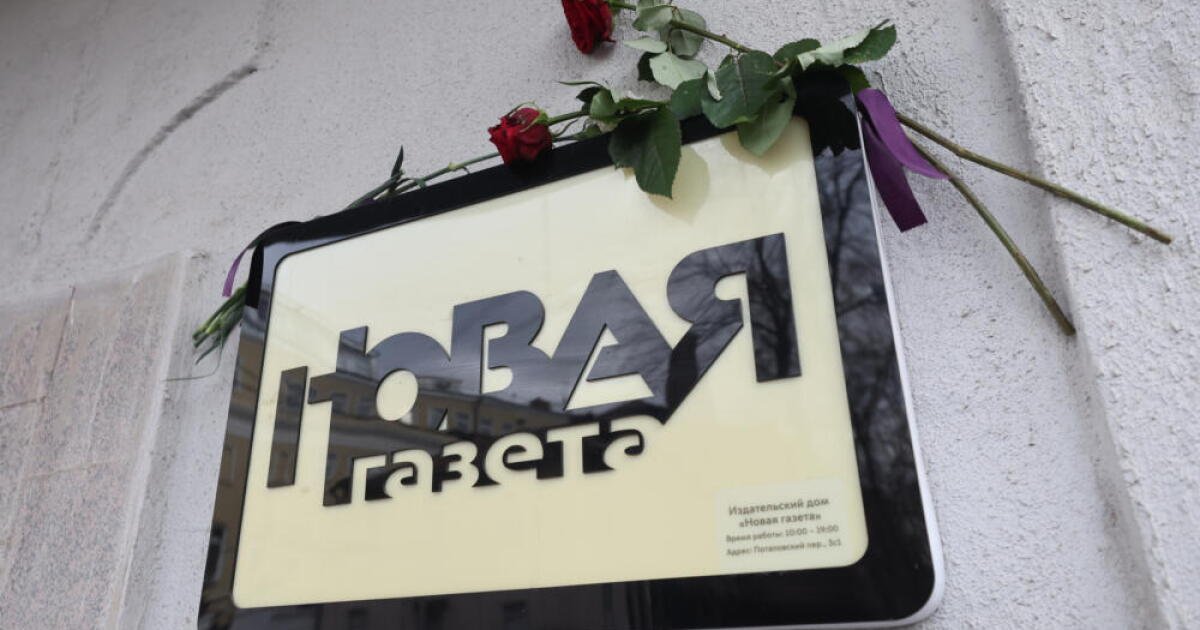
MOSCOW — In a definitive blow to the remnants of independent journalism in Russia, authorities have officially forced the closure of Novaya Gazeta, the country’s last major bastion of investigative reporting. The shutdown, executed earlier this month, marks the culmination of a years-long campaign by the Putin regime to systematically dismantle any media organization that dares to challenge state narratives.
For decades, Novaya Gazeta served as a critical, albeit perilous, platform for exposing government corruption, human rights abuses, and the complexities of Russian society. Its reporters frequently faced intimidation, censorship, and, in the case of several staff members, targeted violence. The final forced closure represents the total eclipse of an independent press landscape that had already been hollowed out by restrictive “foreign agent” laws and punitive censorship measures enacted following the invasion of Ukraine.
Elena Kostyuchenko, a veteran investigative journalist who dedicated 17 years to the publication, described the closure as the end of an era for the Russian public. Kostyuchenko, who was forced to flee her homeland in 2022 to escape the tightening grip of security services, remains a vocal critic of the Kremlin’s authoritarian trajectory.
Speaking with Here & Now’s Scott Tong, Kostyuchenko reflected on the personal and professional toll of working for the outlet. “We knew that every investigation carried a risk,” she noted, highlighting the persistent atmosphere of fear that defined the newsroom in its final years. Now residing in the United States, where she serves as a faculty member at Davidson College in North Carolina, Kostyuchenko continues to monitor the deteriorating state of press freedom in her home country from afar.
The shuttering of Novaya Gazeta is seen by international media watchdogs as a “totalitarian milestone.” With the removal of the paper from the newsstands—and its digital archives scrubbed or blocked—the Kremlin has effectively secured a monopoly on information. The move leaves Russian citizens with little access to objective reporting, forcing many to rely on state-controlled outlets that function primarily as propaganda vehicles.
The closure is not merely the end of a newspaper, but the silencing of a collective voice that held power to account during Russia’s most volatile periods. Colleagues and international supporters of the newspaper have expressed profound grief, noting that the loss of Novaya Gazeta leaves a void in the country’s civil society that may take generations to repair.
As the regime continues to clamp down on dissenting voices, the fate of exiled journalists like Kostyuchenko serves as a stark reminder of the risks associated with speaking truth to power in modern-day Russia. For now, the lights have been turned out at the offices of the country’s most prominent independent newspaper, leaving a darkened media landscape in their wake.
Disclaimer: This content is auto-generated for informational purposes only.
Source: Read Original News