









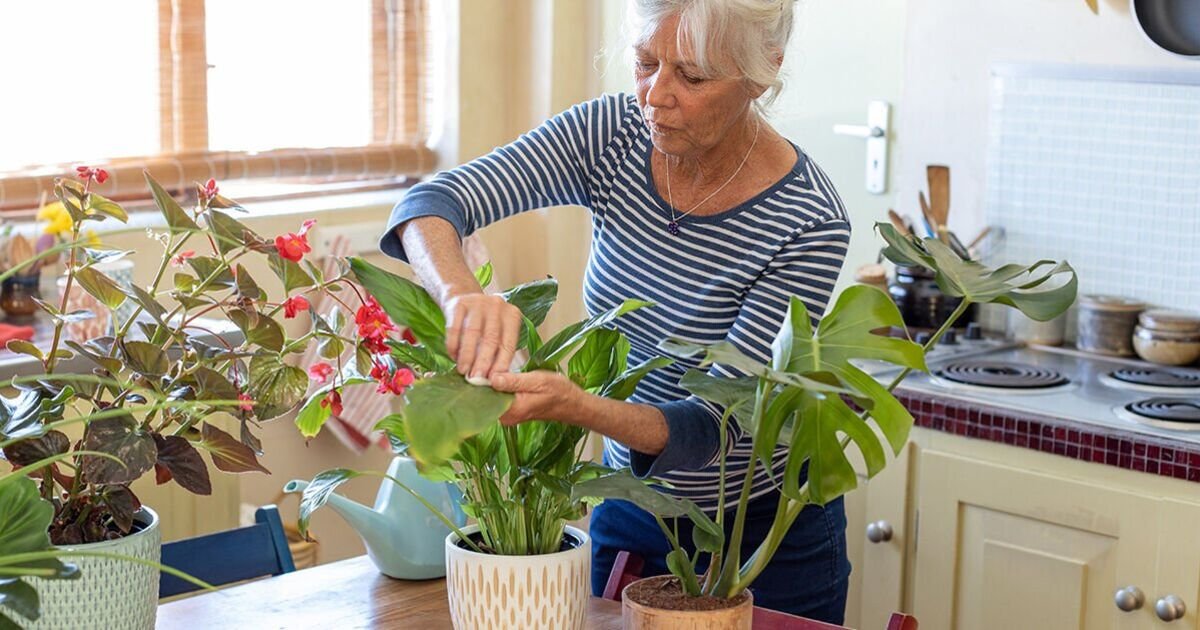
The Seasonal Shift in Your Indoor Garden
As the days draw in and the temperature begins to drop, your indoor green space undergoes a major transition. Just like us, plants sense the change in light and temperature, prompting them to slow down their pace. You might notice your leafy friends aren’t pushing out new leaves with the same enthusiasm they had back in July. This is entirely natural. Their metabolism decelerates as they prepare for a period of rest. Understanding this seasonal cycle is the secret to keeping your collection happy throughout the darker months. Rather than trying to force growth, your main task is to provide the stability they need to make it to spring in great shape.
Mastering the Art of Watering
The most frequent mistake people make when the weather turns chilly is sticking to a rigid watering routine. If you continue to hydrate your plants on the same schedule you used during the heat of summer, you are setting the stage for disaster. During autumn and winter, the soil stays wet for much longer because the plants are not drinking as much and the water evaporates slowly. Excess moisture trapped in the pot can lead to root rot, which is often fatal. Instead of a calendar-based approach, rely on your fingers. Before you reach for the watering can, poke your finger about an inch into the soil. If it feels moist, keep the water away. Only when the earth feels dry to the touch should you offer a drink. This simple test is far more accurate than any reminder app.
Optimizing Light and Location
Sunlight is a precious commodity once winter arrives. Because the sun sits lower in the sky and stays out for fewer hours, the intensity of light in your home changes significantly. A spot that was perfect for a fern in June might be far too dark by November. You may find that shifting your plants a few feet closer to a window helps them maintain their health. However, keep a close eye on the glass. Direct contact with freezing window panes can cause frost damage to tender leaves. Similarly, keep your greenery away from draughty hallways or door entrances where cold gusts might shock them. Finding that middle ground—bright but sheltered—is the goal for the coming months.
Handling Heating and Humidity
Living in a centrally heated home is a dream for us, but it can be quite a challenge for tropical houseplants that crave humidity. Modern radiators dry out the air, creating a desert-like environment that can cause crispy, brown leaf edges. If you have sensitive plants, try to keep them at a reasonable distance from direct heat sources. To give them a boost, consider grouping your plants together. When placed in a cluster, they create a microclimate that traps a bit more moisture in the air around them, helping everyone stay hydrated. It is a simple trick that mimics the way plants grow in the wild, huddled together on the forest floor.
Choosing the Right Time for Maintenance
You might be tempted to fix a drooping plant by repotting it in fresh soil, but hold that thought. Winter is generally a period of dormancy, and most plants do not like having their roots disturbed when they are trying to rest. If you shake up their root system now, they will struggle to establish themselves in the new container, leading to unnecessary stress. Save the big projects like repotting for the early spring, when the increasing daylight signals that it is time for the plant to wake up and start growing again. There is one exception: if your plant is sitting in waterlogged soil or the pot has cracked, you should intervene immediately to save it. Otherwise, let them stay cozy in their current homes until the days grow long again.
Welcoming New Members to Your Collection
If you find yourself missing the greenery of summer, adding a few new plants can brighten your mood without creating a mountain of work. Some species are naturally suited to the lower light and cooler temperatures of winter. Snake plants and ZZ plants are incredibly low-maintenance, requiring very little water and thriving even in dim corners. For those who enjoy a bit of movement, Pothos plants will trail beautifully over a shelf or bookcase and are quite resilient during the dark season. If you want a festive splash of color, a Christmas cactus or a cyclamen can provide exactly what you need. These beauties offer seasonal flowers that bring a touch of life to your home when everything outside is looking a little grey. With the right care, your indoor garden will not only survive the winter but will be ready to thrive the moment spring arrives.
Disclaimer: This content is auto-generated for informational purposes only.
Source: Read Original News