







Inflation is back above 6%: What’s driving the bills
The Indian economy is witnessing a persistent challenge as retail inflation has breached the Reserve Bank of India’s (RBI) upper tolerance threshold of 6%, reaching 6.09% in October 2026. This resurgence in price levels is not merely a statistical outlier but a tangible burden on household budgets across the country. After experiencing relatively moderate inflation in the early months of 2026, the economic landscape shifted significantly by May. The intensification of conflicts in West Asia exerted upward pressure on global crude oil prices, which directly translated into higher domestic transportation and production costs.
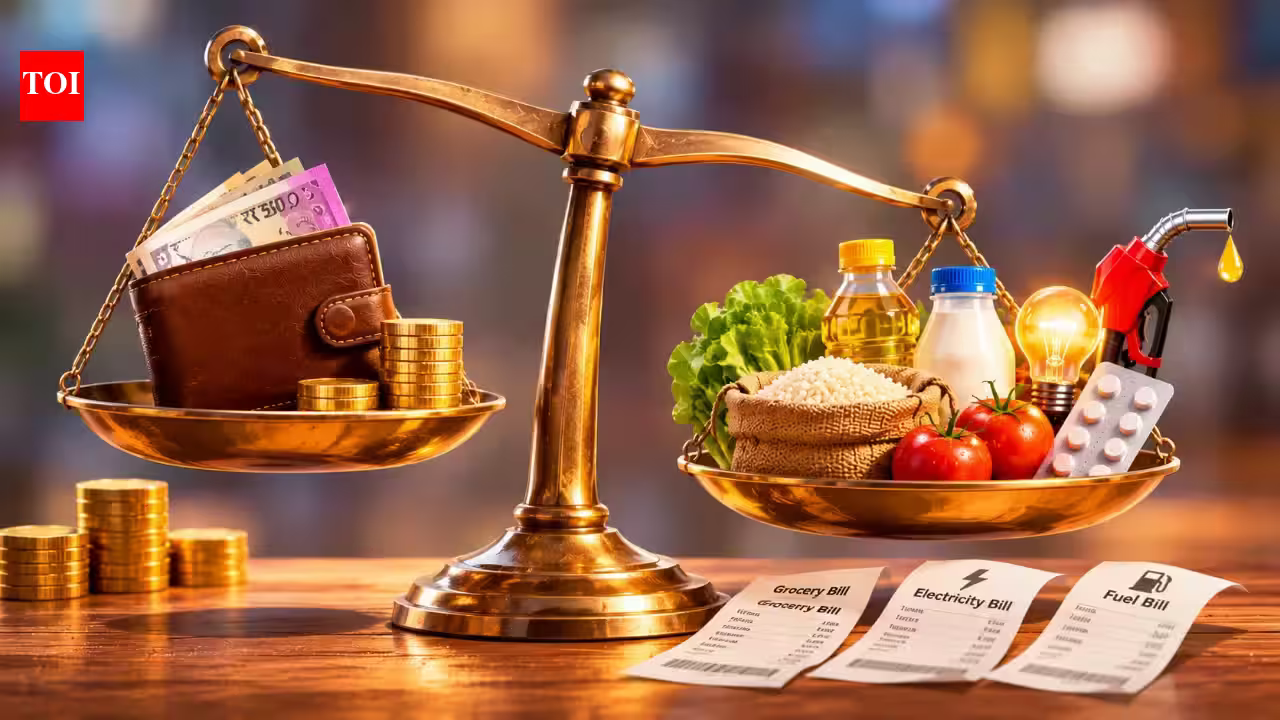
This rise in fuel prices acted as a catalyst, permeating through the supply chain and increasing the cost of moving goods from farms and factories to retail shelves. Simultaneously, adverse weather patterns and seasonal fluctuations disrupted supply chains, causing food prices to climb. The impact is broad-based: beyond the kitchen, costs for services such as dining out and accommodation have risen by over 10%, while miscellaneous personal care items have followed a similar trajectory. When transportation, energy, and food—the foundational pillars of daily living—simultaneously see price hikes, the resulting “cost-of-living squeeze” becomes difficult for the average consumer to absorb.
Kitchenomics: Why your grocery bill keeps climbing
For the Indian household, food inflation remains the most sensitive indicator of economic stress. With food items accounting for nearly 35% of the Consumer Price Index (CPI) basket, an 8.94% increase in food prices significantly alters domestic financial planning. The surge in specific staples is particularly stark; for instance, onions have seen a price spike exceeding 116% year-on-year, while garlic, ginger, and lemons have experienced double-digit increases. These are not luxury items; they are essential components of the daily Indian diet.
The phenomenon of “shrinkflation”—where consumers pay the same amount but receive smaller quantities—has become a survival strategy for many families. Data from local market baskets suggests that households are reducing the volume of their grocery hauls to stay within fixed monthly budgets. The inability to defer these essential purchases means that when prices rise, households must divert funds away from discretionary spending or savings to ensure basic nutritional needs are met. This dynamic illustrates a critical economic reality: inflation does not just mean paying more; it frequently means a reduction in the quality or quantity of consumption, effectively eroding the standard of living despite stable or slightly rising income levels.
Rural India or urban India: Who is feeling the bigger pinch?
The impact of inflation is characterized by significant regional disparities, with rural India currently facing a more acute burden than urban centers. In October, rural inflation reached 6.63%, notably higher than the 5.41% recorded in urban areas. This gap is primarily driven by the higher proportion of food-related expenses in the rural consumption basket. Because food costs constitute a larger slice of a rural household’s total expenditure, the current inflationary trend hits these communities harder, leaving them with limited financial flexibility.
Furthermore, state-level data reveals a fragmented economic reality. Regions like Tamil Nadu, Telangana, and Andhra Pradesh have reported higher combined retail inflation rates, while metropolitan hubs like Delhi have seen comparatively lower figures. These variations demonstrate that a national inflation average often masks the severity of price pressures in specific local markets. Households in high-inflation states find themselves forced to recalibrate their spending habits more aggressively than those in regions where price stabilization measures or local supply chains remain more resilient.
Are salaries keeping up with rising prices?
A central concern for the workforce is the widening gap between nominal salary growth and the actual cost of goods. While industry surveys indicate that average annual salary hikes in India are hovering around 9%, these figures are averages that do not account for the unequal distribution of raises. More importantly, the cumulative effect of inflation renders these hikes less impactful than they appear on paper. When inflation remains persistent, the purchasing power of the additional income is quickly absorbed by the rising costs of necessities.
Financial resilience reports suggest that a large majority of young professionals feel their income growth is insufficient to combat long-term inflation. This creates a precarious cycle where the primary goal becomes surviving the current month, often at the expense of long-term financial security. Financial experts emphasize that simply chasing a higher salary is insufficient; households must adopt a more strategic approach, such as building emergency buffers equivalent to three to six months of expenses. Protecting cash flow and prioritizing the clearance of high-interest debt are now considered essential practices to prevent the quiet erosion of savings meant for future goals like retirement or education.
Breather or burden: Will prices finally cool down?
The outlook for the coming months remains heavily dependent on global commodity stability and domestic agricultural output. While the arrival of fresh winter crops may provide some respite for food prices, the volatility in global energy markets continues to pose a risk to transportation and logistics costs. Economists maintain that while monetary policy—such as interest rate adjustments—can influence demand, it is less effective against supply-side shocks caused by external geopolitical conflicts or supply-chain inefficiencies.
For the common consumer, the “cool down” period remains uncertain. Significant relief will likely require a multi-pronged approach: one that involves better inventory management of food supplies and long-term infrastructure investment, such as enhanced cold storage facilities and improved farm-to-market logistics. Until these structural improvements take hold, the pressure on the household budget is likely to remain. Real financial stability, therefore, will rely on a combination of disciplined personal budgeting and a steady reduction in the input costs that currently define the price of daily essentials. The goal is to move beyond mere survival, allowing households to resume the path of saving and growth without the constant necessity of sacrificing their lifestyle to meet inflated monthly bills.
Disclaimer: This content is auto-generated for informational purposes only.
Source: Read Original News