








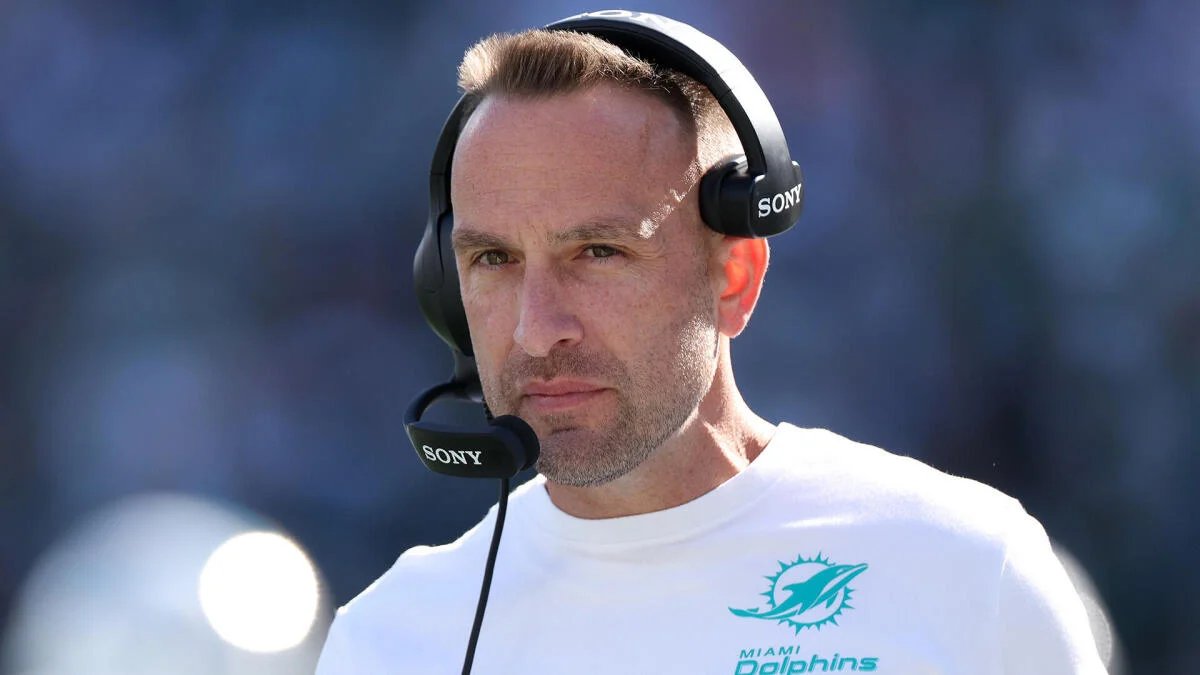
The Miami Dolphins have officially entered uncharted territory in the NFL, embracing a “scorched-earth” rebuild that has resulted in a record-shattering $188.88 million in dead salary cap money. This unprecedented figure, which accounts for over 61% of the team’s adjusted 2026 salary cap, highlights a radical financial strategy implemented by general manager Jon-Eric Sullivan and head coach Jeff Hafley.
Following a disappointing 7-10 season in 2025, the new regime arrived from Green Bay with a mandate to purge the roster of high-priced contracts. “There are two philosophies that you can subscribe to in the National Football League: You pay as you go or you’re living on credit,” Sullivan explained earlier this offseason. “If we keep living on credit, we’re never going to get healthy… We can’t get there unless we kind of take it on the chin this year.”
The financial fallout is stark. Miami is currently fielding a team with less than $120 million in available cap space for its active roster—an amount comparable to the league-wide salary cap in 2011. Predictably, this talent drain has left the Dolphins in the basement of the standings, locked in a 1-8 race with the Los Angeles Chargers and Tennessee Titans for the first overall pick in the 2027 NFL Draft.
The primary culprit behind this dead-money explosion is the contract of former quarterback Tua Tagovailoa. Following his benching and eventual release, Tagovailoa’s departure carries a staggering $99.2 million in dead money, the highest for any single player in league history. Through a post-June 1 designation and complex option-bonus accounting, the Dolphins are spreading that burden across the 2026 and 2027 seasons, with $55.4 million hitting the 2026 books alone.
Other major contributors to the ledger include the departures of star receiver Tyreek Hill, wideout Jaylen Waddle, and defensive back Jalen Ramsey. Combined with charges for Minkah Fitzpatrick, Bradley Chubb, and Terron Armstead, these seven players account for nearly 86% of the team’s total dead money.
In response to these constraints, the team has turned toward extreme cost-cutting, signing backup-turned-starter Malik Willis to a modest contract and filling out the roster with low-cost veterans and a massive draft class. Despite the current competitive disadvantage, the front office remains optimistic. The team is now the youngest in the NFL, and the salary cap outlook for 2027 shows clear signs of improvement. With dead money projected to drop to $57.3 million next year and the league’s fewest long-term cap commitments, Sullivan’s “teardown” is designed to provide a clean slate. For Dolphins fans, the current 1-8 record is a bitter pill, but the front office insists it is the only path to long-term financial sustainability.
Disclaimer: This content is auto-generated for informational purposes only.
Source: Read Original News