





The Mystery of the Grocery Aisle
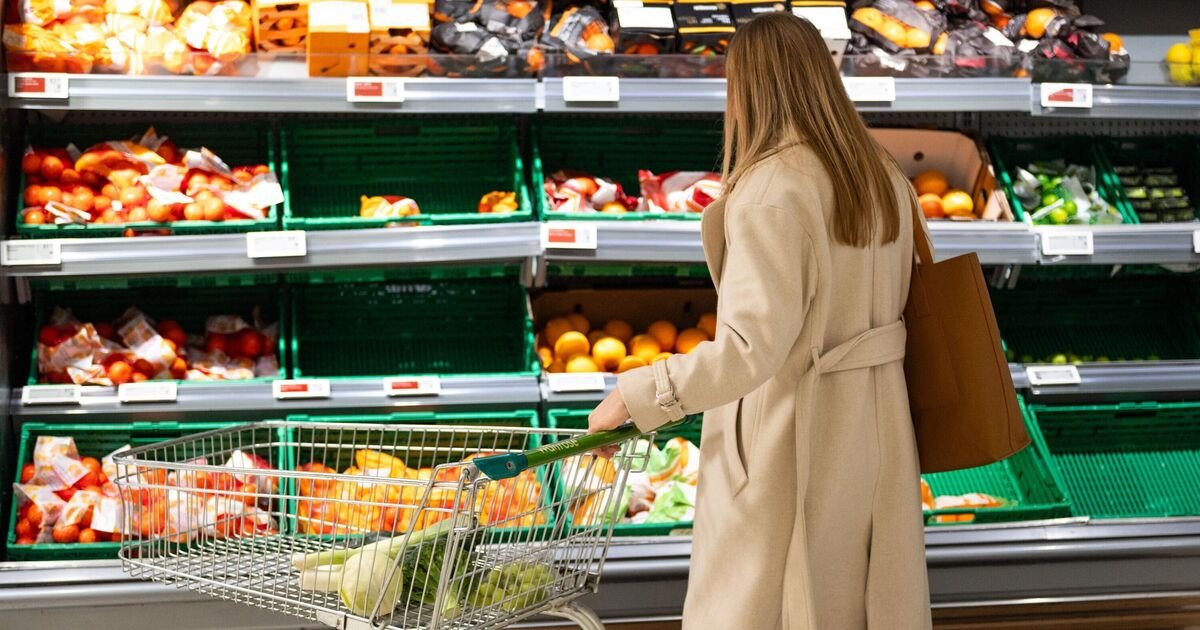
Walking through the supermarket, most of us have a rhythm. We head to the produce section, grab our staples, and maybe toss a few treats into the basket. We want to be thoughtful shoppers, and for many of us, that means trying to support local farmers by picking items that look like they came from the UK. However, recent data shows that we are much more confused than we realize. A staggering 95 percent of shoppers admit they don’t actually understand all the terminology printed on food packaging.
If you have ever stood in front of a shelf, squinting at a label and wondering if you are truly buying local, you are not alone. There is a sea of terms, logos, and flags that often muddy the waters rather than clarifying them. Whether it is a Union Jack or a bold claim about being British-made, these labels rarely tell the whole story, leaving us to guess what we are actually bringing home to our kitchen tables.
Deciphering the Union Jack
We often assume that if a package features a Union Jack, it means the contents are entirely British. It is a logical assumption to make, but in the world of food labeling, logic does not always apply. About a third of shoppers believe that the flag serves as a promise that every single ingredient was sourced within the UK. In reality, that little flag might just mean the product was processed here, even if the primary ingredients traveled thousands of miles to get to the factory.
This creates a bit of a challenge for the conscious consumer. We want to support the hard work of our domestic farmers, but when the packaging is designed to be aesthetically pleasing rather than strictly informative, it is easy to end up with a cart full of goods that do not align with our intentions. The next time you reach for a product because of a flag, take a second to look for the specific fine print—it might be more enlightening than the branding itself.
The Trouble with 100 Percent Claims
Another term that causes a great deal of head-scratching is the claim of being “100 percent British.” It sounds definitive, right? You would think it means every single component, from the base ingredient to the seasonings, came from a farm just down the road. Unfortunately, there is no standardized definition for this term that covers all products across the board.
This means that a product claiming to be entirely British might still contain ingredients sourced from overseas. When over two-thirds of us find these labels confusing, it is clear that the current system is not serving the shopper. It makes it remarkably difficult to know which brands are truly committed to a domestic supply chain and which are just using a clever turn of phrase to capture our attention.
Why Knowing Matters
Why does all this label-reading matter so much? For many of us, it is about more than just food; it is about values. Research shows that more than nine out of ten people believe that supporting homegrown farming is a priority. We associate British farming with higher safety standards and a smaller carbon footprint, which is exactly why so many of us look for those labels in the first place.
When we buy British, we feel like we are making a choice that helps the local economy and ensures that our food has been tracked through a reliable, safe system. Yet, when we cannot trust the labels, that connection is lost. It is frustrating to realize that our desire to do good is being thwarted by vague marketing language. Knowing where our food comes from should be a simple right, not a complex puzzle we have to solve on our Saturday morning shop.
How to Shop with Confidence
So, how can you navigate the grocery aisle without getting lost in the terminology? First, do not rely solely on front-of-package marketing. Flip the box over and look at the actual ingredient list and the country of origin statement located near the barcode or the manufacturer address. These areas are usually bound by stricter regulations than the flashy front designs.
Second, look for certifications from trusted assurance schemes. These organizations act as a middleman, verifying that the product actually meets specific standards from the farm all the way to the shelf. While it might take an extra few seconds to scan the packaging for a verified logo, it provides a much higher level of certainty than a generic claim. By sharpening your focus and ignoring the marketing noise, you can reclaim your shopping trip and ensure that your support really does reach the farmers you intended to help.
Disclaimer: This content is auto-generated for informational purposes only.
Source: Read Original News