






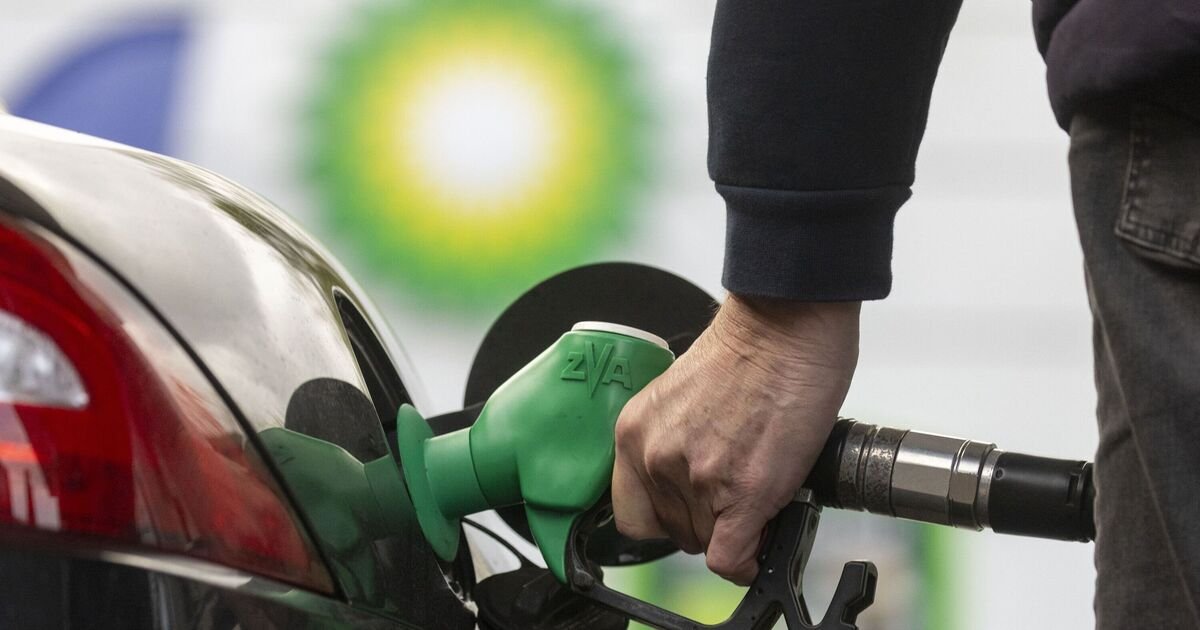
Navigating the road as a company car driver often feels like a balancing act between hitting performance targets and keeping track of your expenses. If your professional life involves spending significant time behind the wheel, you likely know that the rules of the road are not just about traffic signals and speed limits; they also involve the technical side of tax and reimbursement. As we gear up for the final month of the year, it is a perfect time to brush up on the latest HMRC advisory fuel rates.
What These Changes Mean For Your Wallet
Starting December 1, HMRC is rolling out a fresh set of advisory fuel rates that will stay in place through the first few months of 2027. If you use a company car for business travel, these updates are worth noting because they directly impact how you are reimbursed for your mileage.
The primary goal of these quarterly adjustments is to ensure that the compensation you receive aligns more closely with the current cost of fuel at the pump. Because prices for petrol and diesel fluctuate, the tax office refreshes these figures four times a year. When you see an increase in these rates, it essentially means you are being fairly reimbursed for the rising costs of keeping your vehicle on the road.
Breaking Down The Diesel and Petrol Adjustments
The upcoming changes show a clear trend: higher rates for both petrol and diesel engines across the board. This is a practical response to the current market prices. For those driving diesel vehicles, the increases are notable. If you operate a larger engine over 2000cc, you will see a 3p per mile increase, moving from 20p to 25p. Even smaller engines are seeing adjustments, ensuring that the reimbursement keeps pace with your actual travel costs.
Petrol car drivers are seeing a similar shift. Whether you have a compact engine or a larger one, the rates have been nudged upward to reflect the reality of current fuel expenses. It is a good idea to check your specific engine size against the new list so you know exactly what to expect when submitting your next batch of business mileage claims. Keeping accurate records now will save you a headache when tax season rolls around.
Keeping Things Simple With LPG and Electric
If you drive an LPG or electric vehicle, you will find a bit more consistency in your financial planning. For those who drive an electric company car, the advisory rates remain steady. Whether you are charging at home or utilizing a public charging network, the established rates of 7p and 15p per mile respectively continue to apply. This stability is helpful if you are trying to manage your monthly budget without the worry of fluctuating reimbursement figures. Similarly, LPG rates remain fixed, providing a predictable pattern for your business travel expenses.
How To Stay Ahead Of The Curve
Managing your company car expenses does not have to be a chore. The best approach is to stay organized from the start. Since these rates update every three months—specifically in March, June, September, and December—setting a recurring reminder on your calendar can be a lifesaver. When the new month hits, take five minutes to review your mileage logs and ensure the rates you are applying to your claims match the most recent HMRC figures.
Additionally, always remember that these rates are specifically for business travel. If you have been using your company vehicle for personal trips, the reimbursement process for fuel is distinct. Keeping your business and personal miles separated in a dedicated logbook or a digital tracking app is a smart move that will make the end of the year much smoother. By staying proactive with your documentation, you ensure that you are always compensated fairly for the miles you travel, allowing you to focus on the road ahead rather than the paperwork behind you.
Disclaimer: This content is auto-generated for informational purposes only.
Source: Read Original News