









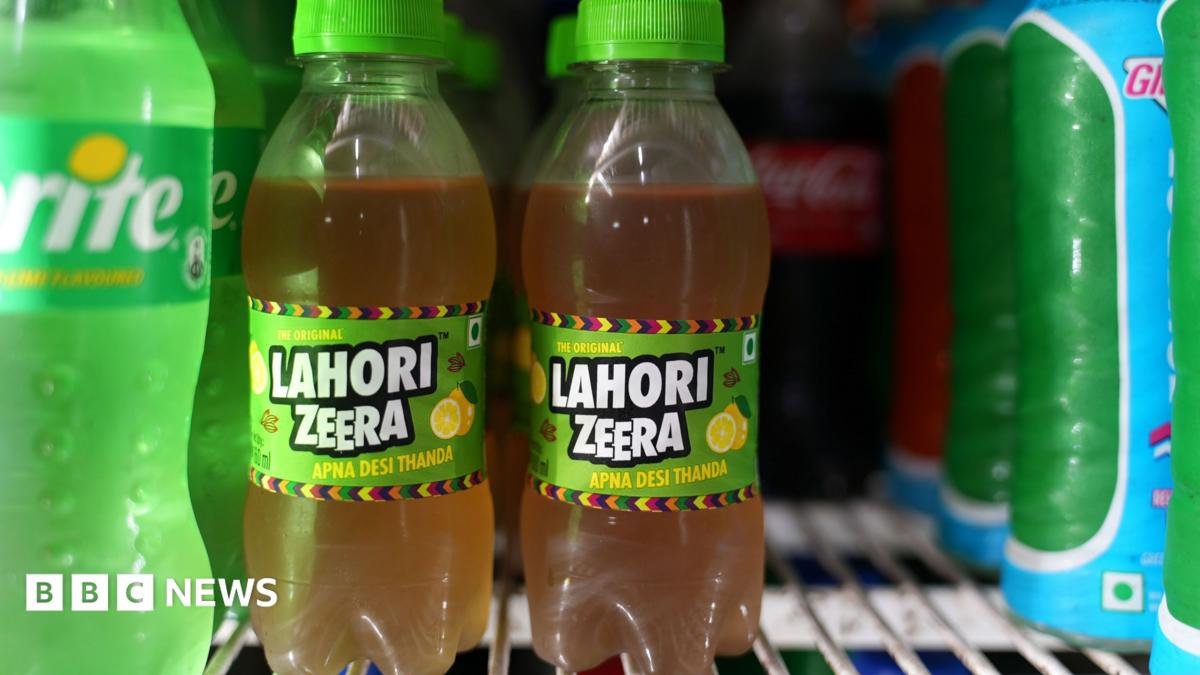
The Bitter-Sweet Challenge: Can India’s ‘Zeera’ Drinks Topple the Cola Giants?
For years, the Indian beverage landscape was dominated by the monolithic presence of global cola giants. However, a local wave of ethnic, cumin-infused carbonated drinks has carved out a significant niche, captivating consumers with nostalgic flavors and a distinct local appeal. While these homegrown brands have witnessed a meteoric rise, industry experts are now warning that the path forward is fraught with systemic hurdles that could test the limits of their expansion.
The Price Point Dilemma
At the heart of the sector’s success is the iconic 10-rupee price point. This psychological threshold has been the primary engine driving massive sales volumes across the country, particularly in rural and semi-urban markets. Yet, this strategy is increasingly becoming a double-edged sword.
With the global economy facing severe inflationary pressures, the cost of raw materials—ranging from sugar and packaging to plastic—has surged. For these smaller players, who operate on razor-thin margins, the rising overheads are hitting where it hurts most. They face a precarious choice: absorb the costs and erode their profitability, or raise prices and risk alienating a price-sensitive consumer base. Some brands may be forced to shrink bottle sizes, a defensive tactic previously employed by global beverage companies to maintain their retail pricing.
The Heavyweight Competition
Beyond economic headwinds, the competitive landscape is intensifying. Established multinationals are no longer ignoring the shift toward local flavors. Coca-Cola, which acquired the classic cumin-based brand Rimzim back in the 1990s, has reportedly doubled its production of the drink in the last year, signaling an aggressive push to reclaim territory in the ethnic segment.
Rajiv Agarwal, a professor at the Mumbai-based SP Jain Institute of Management, notes that while the local brands have spirit, they are up against giants with superior supply chains, sophisticated distribution networks, and robust bottling infrastructure. “The million-dollar question is how big can the cumin-flavoured drink market become,” Agarwal says. “I suspect it won’t become as big as the colas.” According to him, the sheer organizational prowess of global firms makes it difficult for homegrown labels to maintain their dominance in the long run.
Looking Beyond Borders
Despite the warnings, the founders of these indigenous brands remain undeterred. They view their success not as a temporary fad, but as the beginning of a cultural shift. There is a palpable sense of ambition to take these quintessentially Indian flavors onto the global stage.
“Indian flavours need to find a global spotlight,” says Munjal, a prominent player in the space. The vision is clear: to transition from a localized treat to a product that can challenge the Western-dominated palate. For proponents of the ‘zeera’ movement, the goal is to shift the consumption habits of the next generation, moving them away from the standard colas of the world toward the spiced, refreshing traditions of their own soil.
Whether these brands can navigate the complex tightrope of rising costs and aggressive corporate maneuvering remains to be seen. While the “zeera” revolution has proven that India has a thirst for its own flavors, sustaining that growth will require more than just sentiment—it will require the agility to scale in a market that rarely favors the small.
Disclaimer: This content is auto-generated for informational purposes only.
Source: Read Original News