







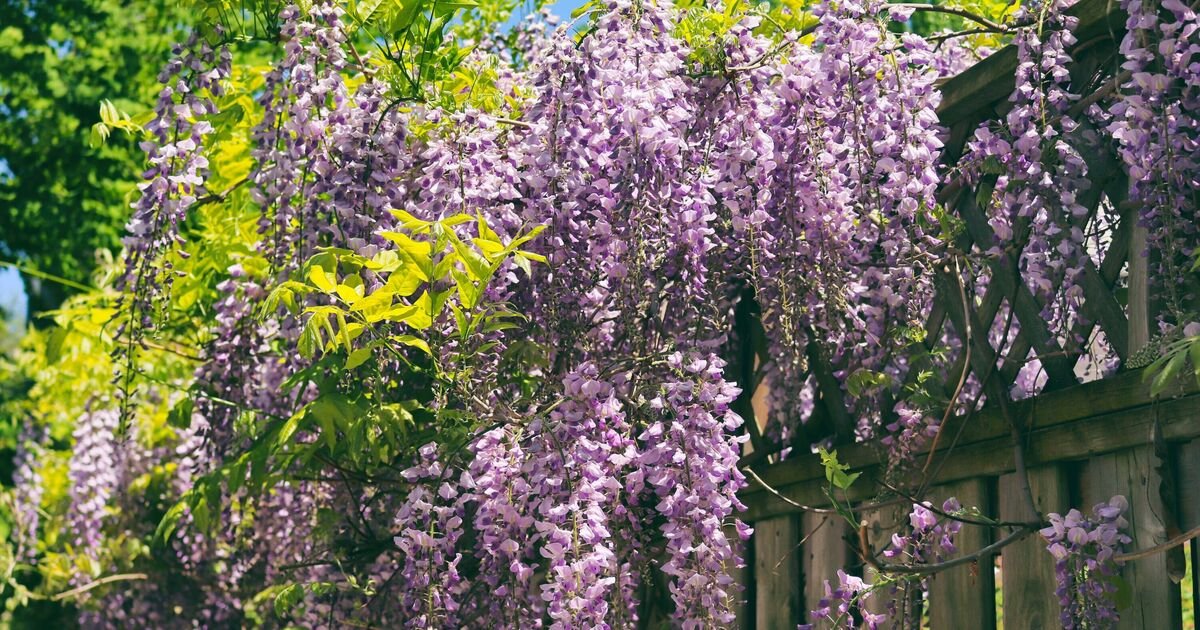
As the autumn leaves tumble and the air turns crisp, your garden might look like it is ready for a long winter snooze. While it is tempting to retreat indoors with a warm cup of tea and ignore the yard until the first signs of spring, this time of year actually presents a golden window for one of the most rewarding gardening tasks. If you have a wisteria gracing your garden, the work you put in right now is the secret ingredient to achieving those show-stopping, fragrant blooms when the weather warms up again.
Why Winter is the Perfect Time for Maintenance
You may notice your wisteria looking a bit weary lately, with leaves turning yellow or dropping off entirely. It can look a little sad, but don’t fret. This is simply the plant entering its natural dormant state. Think of it like a hibernation period. Because the plant has slowed its growth and the sap has retreated down to the roots, it is remarkably resilient to being trimmed. By taking action now, you are essentially hitting the reset button, allowing the plant to redirect its energy toward strong, healthy growth rather than sustaining old, tired wood. It is a low-stress activity for the plant that pays off in a major way.
Mastering the Winter Prune
Pruning can seem intimidating if you aren’t a seasoned gardener, but the process for wisteria is straightforward once you know the basics. Once the plant has dropped all its leaves, it is time to grab your gardening shears. The goal here is to tidy up the structure and encourage future flower production. Aim to trim back the side shoots, leaving only about five buds on each. This specific length helps the plant focus on developing flower spurs rather than just sprawling, leafy stems.
If you see any branches that look thin or “whippy,” go ahead and cut those back as well. They are unlikely to survive the harsh winter winds, and removing them now prevents the plant from wasting energy on weak growth. Remember to keep the main structure secure; if branches are left too long or too loose, winter storms can snap them, potentially creating an entry point for diseases or fungal infections.
Keeping Your Plant Secure and Healthy
Beyond just cutting back the shoots, keep a sharp eye out for any signs of trouble. If you spot branches that look grey, brittle, or show clear signs of disease, do not hesitate to prune them right back to the healthy wood. Keeping the plant clean of dead material is a great way to ensure it stays robust.
Once you have finished your trim, look down at the base of the plant. A thoughtful final touch for your winter preparation is to add a fresh layer of mulch around the roots. This simple addition helps the soil retain moisture throughout the winter months, providing a cozy blanket for the root system. You won’t need to worry about feeding or watering your wisteria until the growing season returns, making this a perfect set-it-and-forget-it maintenance routine.
Training for a Better Spring Display
If your wisteria is still young, you have a unique opportunity to shape it for years to come. Use this time to train any strong side shoots into the position you want, ensuring the main structure is sturdy and well-distributed. For more established plants, the focus is purely on managing the volume and encouraging those long, cascading flowers to return in larger numbers. By keeping the plant well-maintained and avoiding overgrowth, you ensure that every ounce of sunlight the plant receives in the spring is turned into vibrant, healthy foliage and stunning, sweeping blossoms.
Getting outside for a bit of crisp, cool-weather gardening is a wonderful way to connect with the changing seasons. It provides a sense of accomplishment to know that while your wisteria rests, you have done everything necessary to guarantee it will wake up in spectacular fashion. With just an hour or two of effort, you can transform your garden wall or trellis into the neighborhood highlight come springtime. Grab your gear, enjoy the fresh air, and prepare for a season of beautiful color ahead.
Disclaimer: This content is auto-generated for informational purposes only.
Source: Read Original News