







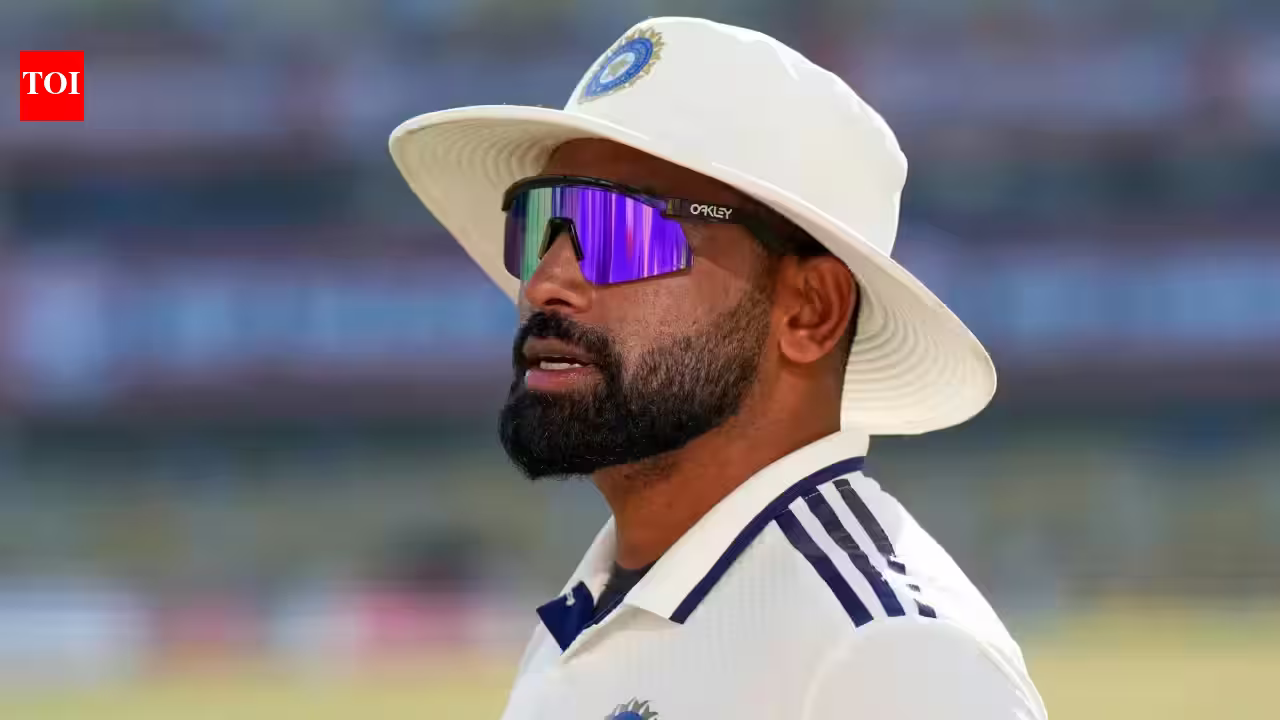
SHADOWS of doubt have begun to loom large over the career of Mohammed Siraj, once heralded as the crown jewel of India’s pace revolution. Barely fifteen months removed from a career-defining performance at the Oval—where he rose from the shadow of Jasprit Bumrah to spearhead a defiant bowling display—the firebrand pacer finds himself on the outside looking in.
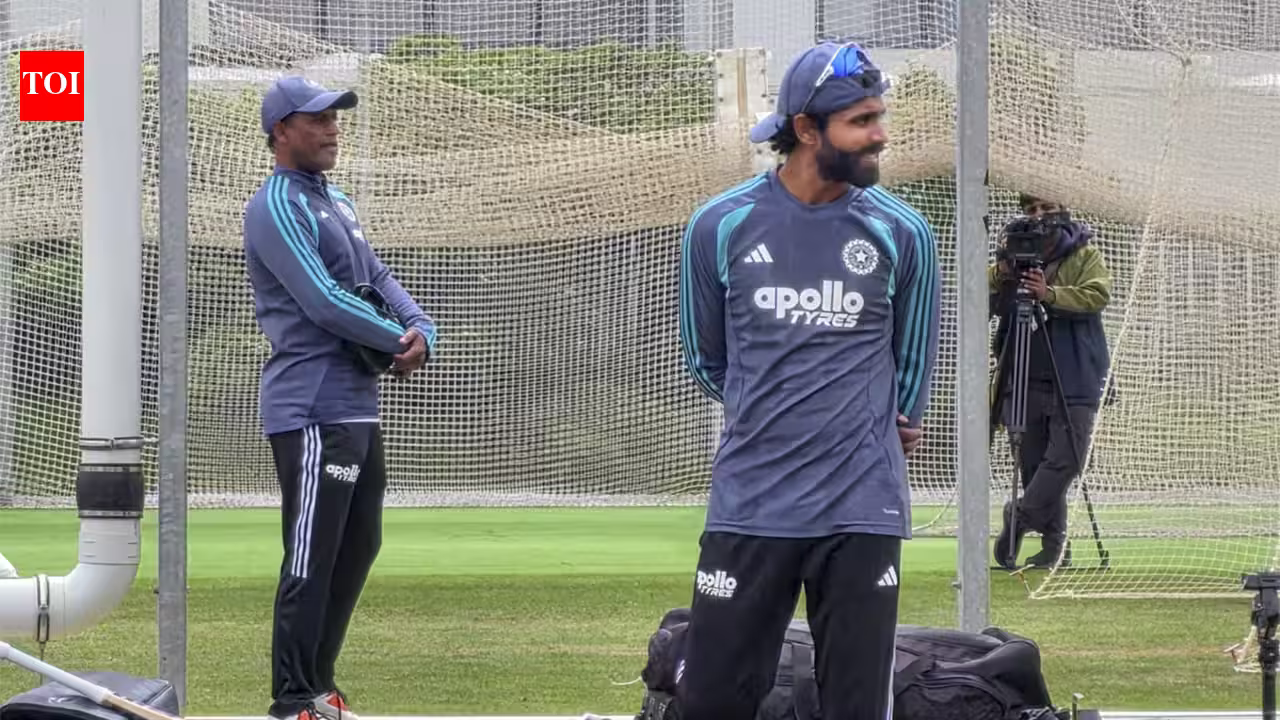
On a Thursday in Wellington, where the conditions were a seam bowler’s dream, India opted for a four-pronged pace attack that glaringly excluded the man many expected to be the leader of the pack. The omission serves as a sobering snapshot of a relationship between player and management that appears increasingly strained, marred by miscommunication and shifting expectations.
## From Oval Heroics to Tactical Exile
The trajectory of Siraj’s descent is as puzzling as it is sudden. Following his masterclass in London, which secured a hard-fought 2-2 series finish, Siraj was widely projected to take the mantle of India’s primary strike bowler. With Bumrah entering a strictly monitored workload management program, the door was wide open for Siraj to own the Test arena.
However, the tide began to turn following the Colombo Test against Sri Lanka three months ago, where a lackluster performance ignited internal questioning regarding his physical readiness. Sources suggest the friction originated earlier, specifically when Siraj requested a break from two T20 Internationals in Ireland following a June Test match against Afghanistan.
What followed was a breakdown in professional dialogue. Reports indicate that team management grew frustrated with Siraj’s inactivity during his two-month hiatus, citing it as the primary reason for his alarming velocity drop—dipping into the 120-125 kmph range during the Sri Lanka series. In a scramble to rectify his form, the selectors pivoted erratically, shuffling him between the Centre of Excellence (CoE), the India ‘A’ squad, and the ODI setup in New Zealand.
## The Cost of Poor Communication
The current state of affairs stands in stark contrast to the structured, data-driven preparations afforded to his teammates. For a player like Siraj, whose entire bowling profile is built on raw emotion, aggression, and relentless belief, this administrative volatility is proving to be a catalyst for instability.
Former India bowling coach Paras Mhambrey, who has tracked Siraj’s development since his formative years with India ‘A’, offers a cautionary perspective on how to manage the pacer’s unique temperament.
“You have to have regular conversations with Siraj. He has an uncomplicated mind,” Mhambrey explained. “If you constantly have those discussions with him, he understands the nuances of high-performance sport. And he becomes the man who can go to any lengths for you. He is experienced enough to understand how much bowling he needs to do to stay in rhythm.”
Mhambrey argues that the solution is not benching, but rather alignment. “He has developed very well as a successor to Bumrah in his Tests. His experience and ability to come hard at the batsmen all day help manage Bumrah’s workload. It’s about sitting him down and explaining the road ahead. If he’s hitting good speeds in the IPL and recent ODIs, the focus should be on harnessing that, not sidelining him.”
## A Future at the Crossroads
Despite the internal unrest, the team management maintains a firm stance. Batting coach Sitanshu Kotak, when pressed on the benching, remained defiant, asserting that the management’s tactical decisions were justified. Such rigid backing of a selection policy that omits a seasoned bowler of Siraj’s pedigree in seam-friendly conditions suggests a deeper disconnect.
Siraj, currently 48 Tests into his career, still possesses roughly three years of high-level potential. Yet, the current “communication breakdown” threatens to derail what could be the prime of his professional life. By oscillating between domestic circuits, the CoE, and bench duties, the management risks stripping away the very confidence that allowed Siraj to charge in on that final day at the Oval and deliver a result that echoed throughout the cricketing world.
For India, the urgency is clear: Jasprit Bumrah cannot carry the burden of the pace attack alone. To move forward, the caretakers of Indian cricket must mend the fences with Siraj. As the team looks toward upcoming challenges, they must decide whether they want a bowler who “can go to any lengths” for the team, or a talent lost in the fog of administrative confusion.
The ball, for once, is in the management’s court. Whether they choose to engage with their pacer or continue down this path of silent exclusion will determine if Siraj’s best days are behind him, or if his greatest spells are yet to come.
Disclaimer: This content is auto-generated for informational purposes only.
Source: Read Original News