







India, Japan Bolster Defense Ties Amid Rising Indo-Pacific Tensions
In a significant move to reshape the regional security architecture, India and Japan have reached a landmark agreement to deepen their military and arms-industry collaboration. The deal, finalized during a “two-plus-two” ministerial meeting in Tokyo on Thursday, marks a new chapter in the strategic partnership between the two nations, signaling a robust commitment to maintaining a free and open Indo-Pacific.
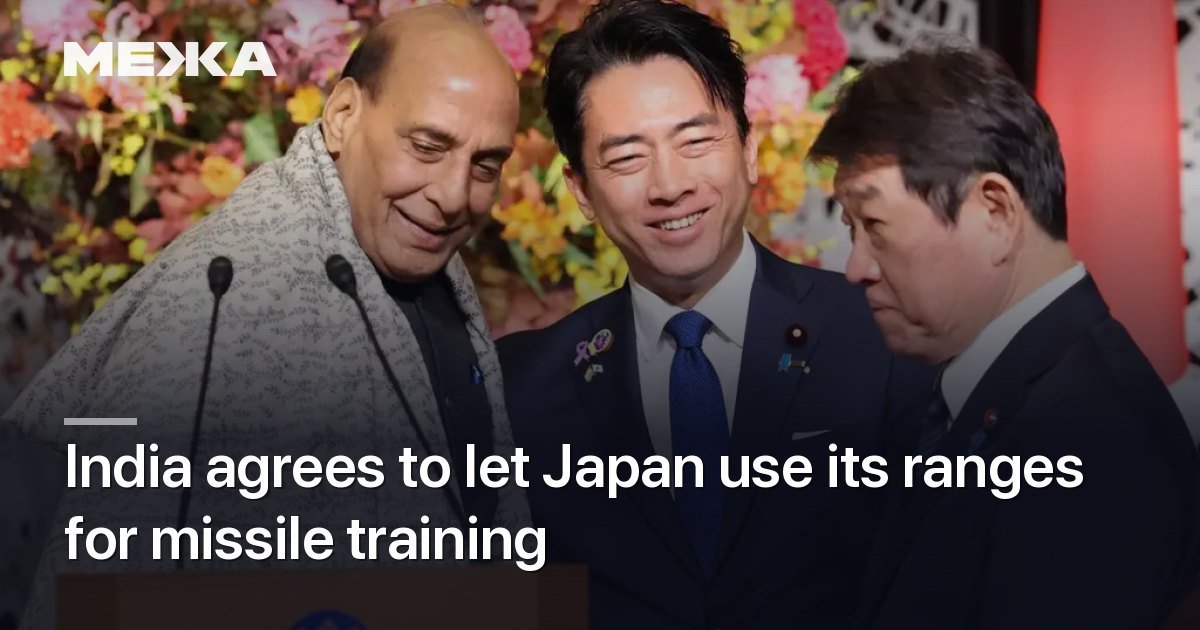
Representing India, Defense Minister Rajnath Singh and External Affairs Minister S. Jaishankar met with their Japanese counterparts, Shinjiro Koizumi and Toshimitsu Motegi, to solidify plans that will see Tokyo’s Self-Defense Forces utilizing Indian military ranges for live-fire missile testing. This move is being viewed by geopolitical analysts as a critical step in enhancing military interoperability and operational readiness against potential regional threats.
Strategic Cooperation and Defense Integration
The agreement to allow Japanese military training on Indian soil is perhaps the most tangible outcome of the Tokyo talks. By integrating training exercises, both nations aim to streamline their defense protocols and strengthen their collective response capabilities. This shift signifies a pivot away from traditional bilateral cooperation toward a more integrated defense posture, reflecting the growing anxiety among democratic powers regarding the shifting balance of power in Asia.
Beyond training, the ministers explored avenues for joint defense production. By leveraging India’s manufacturing capabilities and Japan’s advanced technological prowess, the two nations intend to reduce their reliance on external supply chains and foster a localized defense ecosystem. This collaboration is expected to prioritize high-tech equipment and dual-use technologies, essential for modern maritime and air security.
Addressing Regional Economic Coercion
The joint statement issued following the meetings carried a pointed, if unnamed, critique of China’s recent geopolitical maneuvers. Both Tokyo and New Delhi expressed “grave concerns” regarding the rise of economic coercion, specifically targeting the use of arbitrary export restrictions and non-market policies as instruments of statecraft.
Tensions have been simmering since last November, following comments from Japanese Prime Minister Sanae Takaichi regarding the potential for Japanese military intervention in the event of a Taiwan crisis. In response, Beijing has ramped up pressure on Tokyo, implementing a restrictive export blacklist that targets various Japanese corporations. Furthermore, China has disrupted shipments of dual-use goods and curtailed the export of critical rare-earth elements—resources vital to Japan’s high-tech industrial sector.
By highlighting these concerns in their official communiqué, India and Japan are signaling a unified front against the weaponization of trade. Both nations are increasingly wary of becoming collateral damage in larger geopolitical disputes and are now seeking to diversify their economic partnerships to mitigate the risks posed by such coercive practices.
A New Security Paradigm
The Tokyo summit highlights a deepening convergence of interests. India, which has historically maintained a cautious approach to security pacts, is increasingly willing to engage in high-level military cooperation with partners who share its vision for a rules-based order. For Japan, the partnership with India provides a vital strategic partner in the Indian Ocean region, essential for protecting maritime trade routes.
As the geopolitical landscape in the Indo-Pacific continues to fracture, the heightened collaboration between New Delhi and Tokyo serves as a testament to their shared commitment to regional stability. With the implementation of the new training protocols and the deepening of defense ties, India and Japan are effectively signaling that the era of passive observation has ended, giving way to a more assertive and coordinated defense policy.
Disclaimer: This content is auto-generated for informational purposes only.
Source: Read Original News