









Beyond the Blockbuster: The Shift in Gaming Consumption
The release of a massive, high-budget open-world title like GTA 6 inevitably creates a gravitational pull within the gaming industry. It dominates social media discourse, hardware benchmarking conversations, and digital storefront layouts. However, a significant portion of the gaming population remains disconnected from this massive trend. Whether due to hardware constraints, personal interest in different mechanics, or a simple preference for smaller, more focused experiences, many players are actively seeking alternatives to the current industry monolith.
This diversification of the gaming landscape is supported by a robust ecosystem of independent developers and long-standing franchises that offer distinct mechanical loop systems. When we move away from the hyper-realistic, open-world simulation genre, we find a treasure trove of games that prioritize specific, refined interactions. From the physics-based exploration of subterranean environments to the tactical complexity of tabletop-inspired strategy, the current gaming market offers a breadth of utility that remains largely untouched by mainstream blockbuster coverage.
The Rise of Niche Exploration Mechanics
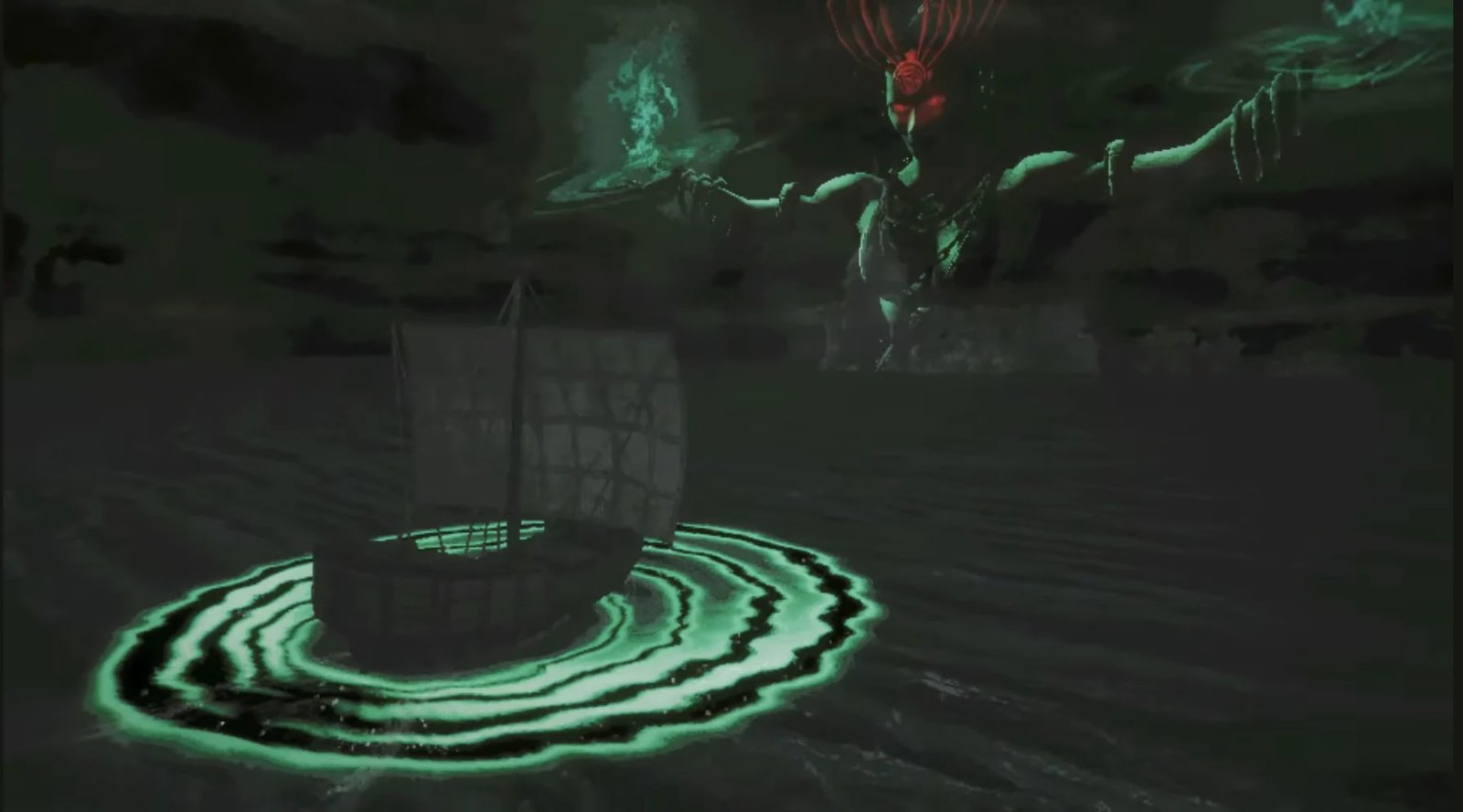
One title currently gaining traction among those opting out of the blockbuster cycle is Queen’s Domain. This title represents a shift toward gameplay centered on environment-driven curiosity rather than narrative-heavy linear progression. Its core loop focuses on deep-tier exploration, specifically encouraging players to investigate the verticality and hidden depths of its world. By presenting terrain as a puzzle, the game demands that players interact with environmental assets in a way that feels intentional and tactile.
This reflects a broader technological interest in emergent gameplay. Instead of following a scripted waypoint, players in games like Queen’s Domain are tasked with spatial reasoning. The design philosophy here is clear: reward the player’s agency. By allowing for “bottom-of-the-hole” exploration, the developers have successfully gamified curiosity, creating a persistent, satisfying feedback loop that does not rely on high-fidelity cinematics to retain user engagement.
Tactical Depth and Franchise Longevity
While open-world titles aim to simulate a life, other segments of the market are doubling down on systems-heavy design. The Warhammer franchise serves as a primary example of this. With a portfolio that includes titles as varied as Warhammer Survivors, Rogue Trader, and the upcoming Dawn of War IV, the intellectual property serves as a bridge across multiple gaming genres. Whether it is the frantic action of a third-person shooter or the granular tactical management required in squad-based CRPGs, these games emphasize system knowledge over graphical spectacle.
This appeal is mirrored by players who remain dedicated to long-form strategy and legacy titles. The continued endurance of games like the Ocarina of Time remake—which forces players to engage with legacy design hurdles like the Water Temple—proves that modern audiences are still highly receptive to high-difficulty, retro-inspired experiences. Similarly, the ongoing commitment to long-running strategy series or complex RPGs like Fire Emblem: Fortune’s Weave highlights a segment of the gaming community that prefers intellectual challenge over the ephemeral excitement of a brand-new release.
Cozy Indie Titles and Procedural Innovation
The independent sector has carved out a unique space that effectively defies the influence of major industry releases. Titles such as Milki Delivery, Tanuki: Pon’s Summer, and the simulation-heavy Dressmaker occupy a specific corner of the market known for low-friction, high-engagement loops. These games often focus on procedural systems that are easy to understand but require optimization to master.
Dressmaker, in particular, is a fascinating case study in how niche mechanics are evolving to include competitive components. The fact that this title will be featured at an upcoming speedrunning event demonstrates that even slow-paced, cozy-themed games have hidden layers of complexity. By pushing the boundaries of mechanical efficiency, players are discovering that these titles offer as much technical depth as their high-budget counterparts. The focus here is on the refinement of the user interface and the satisfaction of task completion, a stark departure from the complex, often bloated, control schemes found in modern open-world spectacles.
Why Broadening the Discourse Matters
The dominance of a single, massive game title can often lead to a homogenization of consumer conversation. By deliberately highlighting these alternatives, we gain a clearer view of the current state of technology and game design. The industry is not a monolith; it is a collection of diverse, competing philosophies. Recognizing this diversity is essential for both developers and consumers.
For developers, the success of titles like Queen’s Domain or the continued popularity of Warhammer-themed strategy games offers a blueprint for sustainable success outside the AAA blockbuster model. For consumers, engaging with a wider variety of experiences prevents the burnout associated with keeping up with the “game of the generation” and encourages the discovery of mechanics that are better suited to individual tastes. While the current cycle of high-budget releases provides a necessary baseline for technical evolution, the true vitality of the gaming industry resides in the variety of the software being played. Exploring these alternatives allows us to appreciate the ingenuity that persists even when the spotlight is pointed elsewhere.
Disclaimer: This content is auto-generated for informational purposes only.
Source: Read Original News