








The Federation of Environmental NGOs (Opok) has issued a stern warning against the increasing reliance on planning exemptions to push through large-scale private developments, cautioning that economic expediency should not supersede environmental integrity or the public interest.
The federation’s statement coincides with an ongoing review by the House Interior Committee, which was prompted by a recent audit report highlighting that planning exemptions—originally intended as an exceptional legal mechanism—are rapidly becoming a routine administrative shortcut. By bypassing established town planning regulations, these exemptions allow developers to move forward with projects that would otherwise be prohibited in specific zones.
“When a large-scale private development is planned in an area where town planning regulations do not permit it, an exemption cannot be the easy way out,” Opok stated in a formal address to the committee.
The federation emphasized that land-use decisions carry long-term consequences that extend far beyond a project’s immediate economic footprint. Impacts on local communities, the viability of agricultural production, the integrity of landscapes, and the stability of natural resources are often overlooked when exemptions are granted as a matter of course. While Opok acknowledged that private investment can catalyze job creation and tourism, it argued that these benefits do not inherently equate to the “public interest.”
Opok is pushing for a shift in how authorities evaluate project proposals. It argued that vague references to “economic growth” are insufficient justifications for overriding environmental safeguards. Instead, the federation is calling for a rigorous, granular assessment of the potential consequences for residents and ecosystems.
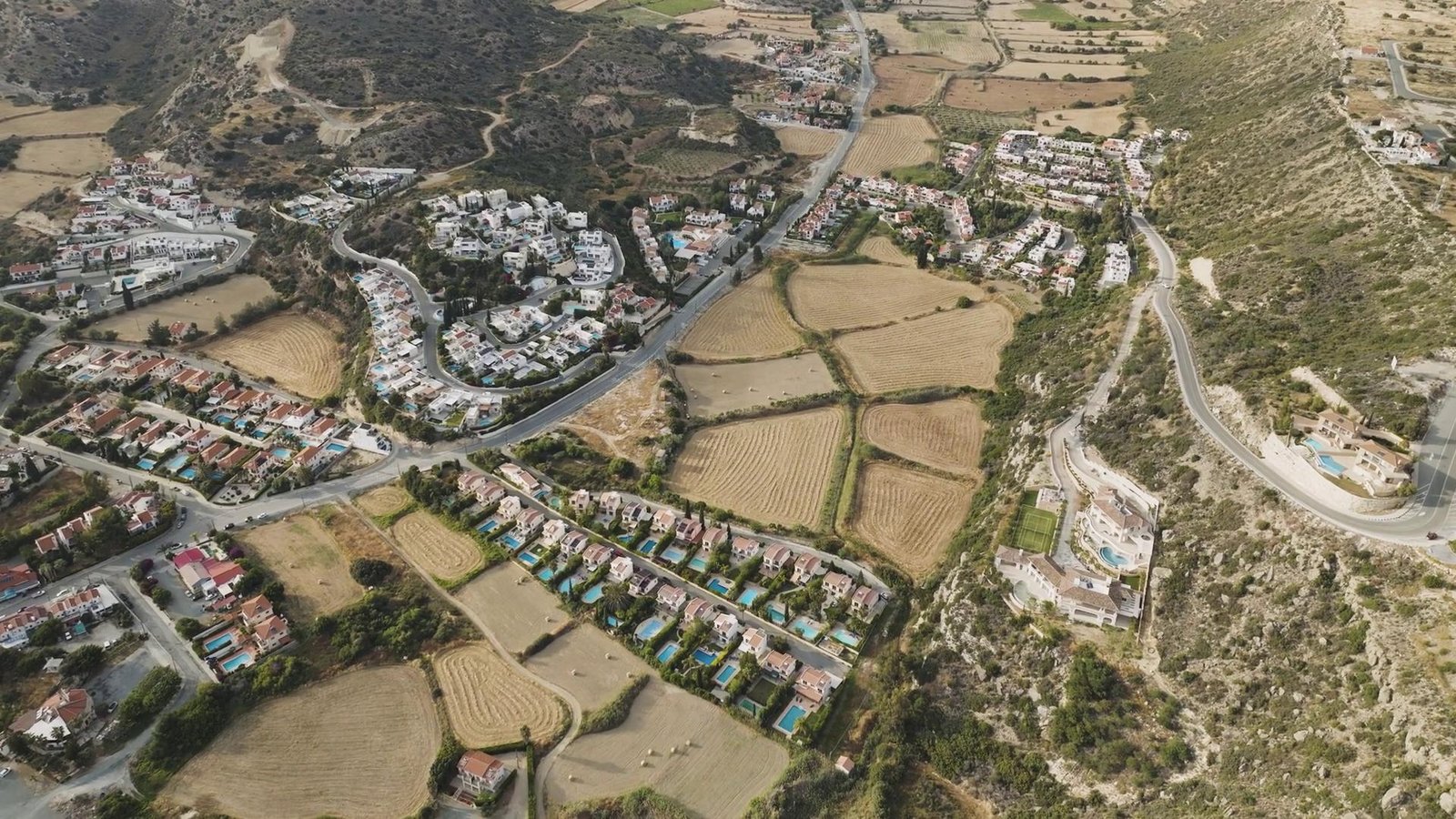
Particular concern was raised regarding the vulnerability of sensitive regions. Opok highlighted that projects proposed on productive agricultural land, areas subject to land consolidation schemes, or protected coastal zones require a higher degree of scrutiny. Unchecked development in these areas threatens to permanently alienate fertile land, exacerbate water scarcity, and fragment critical natural habitats. Furthermore, the federation warned that authorities must evaluate the “cumulative pressures” that multiple projects place on a single region, rather than viewing each proposal in isolation.
To restore accountability, the NGO federation has proposed the integration of advanced scientific tools into the approval process, including multi-criteria analysis and detailed comparisons of alternative development sites. However, Opok was quick to clarify that such tools should serve to strengthen the process rather than circumvent existing legal requirements.
“The granting of a derogation does not exempt a project from environmental assessment obligations,” the statement read, adding that financial or compensatory measures often used by developers do not retroactively undo ecological damage. “Compliance with the law remains non-negotiable.”
The federation also pointed to a lack of oversight once projects are authorized. It called for the mandatory monitoring of approved developments to ensure that construction remains strictly within the scope of original permits. Often, deviations during the building phase lead to environmental footprints far larger than those initially presented to regulators.
Ultimately, Opok’s position is that the current approach is unsustainable. The federation is urging legislators to tighten the criteria for exemptions, insisting they be reserved only for “extremely rare, duly justified cases.”
As the House Interior Committee continues its examination of the audit findings, the message from environmental advocates remains clear: urban and rural planning must prioritize the preservation of the natural environment and the welfare of society over the short-term demands of private development. Without a significant policy pivot, Opok warns that the continued “routinization” of exemptions will lead to irreversible degradation of the nation’s natural capital.
Disclaimer: This content is auto-generated for informational purposes only.
Source: Read Original News