








The Macroeconomic Drivers of Global Precious Metal Volatility
The global precious metals market is currently navigating a period of heightened sensitivity to macroeconomic variables, primarily dictated by the strategic maneuvers of the United States Federal Reserve. Gold, historically regarded as a reliable hedge against currency devaluation, is currently facing significant headwinds as the strength of the United States dollar persists. Because gold is priced in dollars, its valuation becomes inversely correlated with the strength of the greenback. When the dollar appreciates, gold becomes more expensive for investors holding other currencies, which inevitably suppresses demand and drives down spot prices.
This dynamic is further exacerbated by the trajectory of interest rates. The prevailing narrative among global institutional investors is that the Federal Reserve remains committed to a hawkish monetary policy to combat persistent inflation. When central banks signal higher-for-longer interest rate environments, the opportunity cost of holding non-yielding assets like bullion increases significantly. Investors often pivot toward interest-bearing instruments such as treasury bonds, leading to a reallocation of capital away from gold and silver. This systemic shift has created a recurring cycle of selling pressure, as market participants align their portfolios with the high-yield reality of the current economic climate.
Impact of Tighter Monetary Policy on Bullion Complex
The broader precious metals complex—encompassing silver, platinum, and palladium—has mirrored the decline seen in gold. While gold often receives the most attention, the performance of industrial precious metals provides a deeper insight into global manufacturing sentiment. Platinum and palladium, which possess significant utility in automotive catalytic converters and industrial processes, are highly responsive to both interest rate hikes and global growth prospects.
When central banks implement tighter monetary policies to cool down an overheating economy, there is an inherent risk of dampening industrial output. This prospect of slowing growth weighs heavily on the prices of platinum and palladium. Simultaneously, silver faces a dual burden. It serves as both a safe-haven asset and a vital component in green energy technologies, such as solar panels and electrical components. As the prospects for rate hikes solidify, the speculative demand for silver—which often tracks the volatility of gold—drops, leading to a cascading decline across the entire sector. The recent contraction in Swiss gold exports also serves as a critical indicator, suggesting that global physical demand is cooling as traders assess whether the current price floor can withstand the pressure of a strengthening dollar and rising borrowing costs.
The Indian Market Context and Consumer Resilience
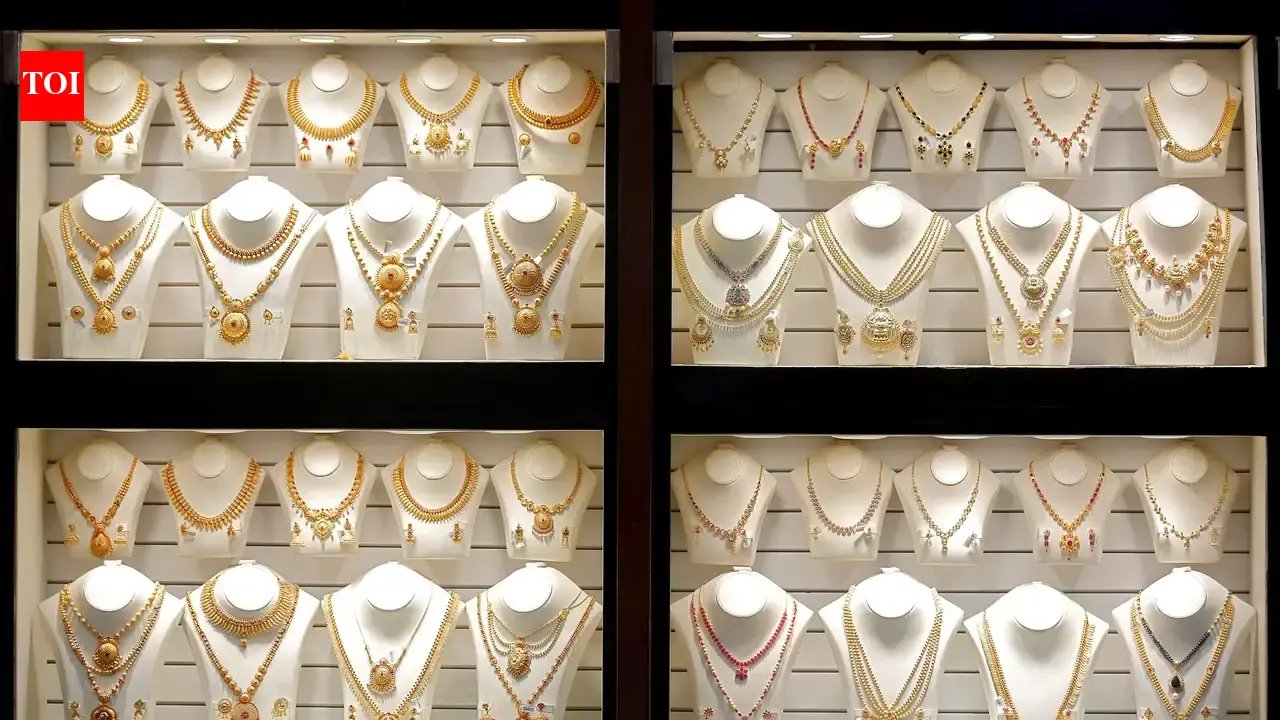
Within the Indian business ecosystem, the dynamics of precious metals are distinct due to the cultural and economic significance of gold. Unlike the western view of gold as an asset class for portfolio diversification, the Indian market views gold as a fundamental store of value, a hedge against domestic inflation, and an essential component of household savings. Despite global volatility, the demand in India often remains buffered by domestic festive cycles and the wedding season, which typically sustain physical purchase volumes even when global spot prices are under downward pressure.
However, the Indian economy is not insulated from the global trends described. As the rupee faces pressure against the surging dollar, the landed cost of imported gold for Indian refiners and jewelers increases. This price transmission means that domestic consumers often do not see the full extent of the global price dips, as currency depreciation offsets the gains made in the international market. For Indian jewelry manufacturers and exporters, this high volatility presents challenges in inventory management and working capital requirements. Businesses are now increasingly turning to sophisticated hedging strategies through the Multi Commodity Exchange (MCX) to mitigate the risks associated with price swings, reflecting a shift toward more professionalized risk management in the bullion trade.
Shifting Investor Sentiment and Strategic Asset Allocation
The current market environment forces a re-evaluation of asset allocation strategies for both institutional and retail investors. With the high probability of further rate hikes, the traditional “buy and hold” approach to gold is being challenged by a more tactical, data-driven methodology. Investors are closely monitoring the Federal Reserve’s rhetoric, as every communication from central bank officials triggers immediate algorithmic adjustments in futures markets.
In India, the rise of digital gold, sovereign gold bonds (SGBs), and gold exchange-traded funds (ETFs) has changed the landscape of investment. These vehicles allow investors to gain exposure to gold without the physical baggage of storage and purity concerns. These digital instruments are highly liquid and reflect global price movements more accurately than physical retail gold. As the market remains volatile, there is a clear trend toward these structured products, which provide investors with the flexibility to exit positions quickly if economic forecasts shift. This migration toward transparent, regulated platforms is helping to bring more of India’s massive private gold holdings into the formal financial system.
Future Outlook and Anticipated Market Trends
Looking ahead, the direction of bullion will be determined by the intersection of inflation data and central bank policy flexibility. If inflation continues to stay above target levels, the likelihood of sustained high interest rates will remain, keeping gold and its counterparts under significant pressure. However, if macroeconomic data begins to show a clear slowdown in economic activity, the Federal Reserve may be forced to pivot from its aggressive tightening stance. Such a change in policy would serve as a major catalyst for a price recovery in precious metals.
In the Indian context, the outlook is cautiously optimistic. While international factors weigh on prices, the underlying demand fundamentals remain robust. As the economy continues to expand and disposable income levels rise, the appetite for precious metals as a core investment remains undiminished. Businesses operating in this space should prepare for a period of ongoing volatility, focusing on supply chain efficiency and the adoption of digital distribution models. The transition toward a more integrated global market means that Indian stakeholders must keep a constant watch on the US monetary trajectory, as it remains the primary engine driving global price fluctuations. Investors and business owners who remain agile, keeping a pulse on central bank movements while leveraging the liquidity of digital assets, will be best positioned to navigate the complexities of the current precious metals landscape.
Disclaimer: This content is auto-generated for informational purposes only.
Source: Read Original News