









Regulatory Scrutiny and the Impact on Heritage Brands
The recent regulatory intervention by the Food Safety and Standards Authority of India (FSSAI) regarding Mohan Meakin’s production facility in Khopoli, Maharashtra, marks a significant turning point for one of India’s most iconic liquor brands. Mohan Meakin, the manufacturer of Old Monk rum, has faced a severe fiscal contraction, reporting a 64% decline in revenue to Rs 288 crore for the first half of the current financial year. The September quarter was particularly damaging, with revenues plummeting 77% compared to the same period in the previous year.
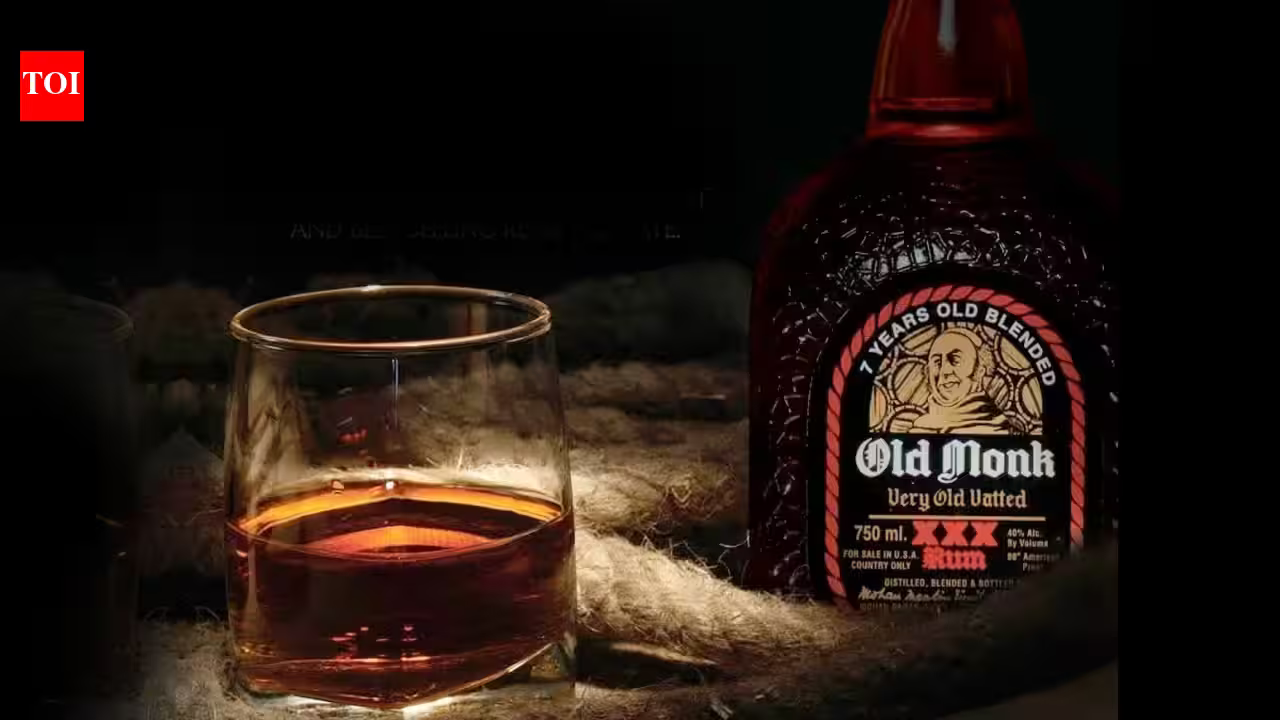
This crisis stems from a fundamental dispute regarding product classification and labeling standards. The FSSAI inspection revealed that certain rum variants produced at the Maharashtra facility utilized neutral spirit blended with rum flavoring. The regulator’s position is clear: products that do not strictly adhere to the distillation processes required for authentic rum cannot be marketed under that label. Instead, the authority suggests these beverages should be classified as rum-flavored spirits. Furthermore, the regulator flagged descriptive labeling, such as “7 Years Old Blended” and “Very Old Vatted,” as potentially misleading to consumers, citing concerns over transparency and truth-in-labeling requirements.
For a legacy brand that has built its reputation on historical consistency, these objections present a major operational hurdle. The shutdown of the Khopoli facility since May has not only halted the flow of goods but has also exposed the complexities inherent in maintaining traditional production methods in an increasingly regulated modern market.
The Complexity of Compliance in the Indian Alcohol Industry
The Indian alcohol sector is governed by a fragmented framework that involves both central food safety standards and state-specific excise policies. In the Mohan Meakin case, the conflict highlights the growing tension between heritage-based marketing and contemporary food safety regulations. While “Vatted” and “Aged” descriptors have historically been part of the rum industry’s lexicon in India, regulators are now applying stricter definitions to ensure that product descriptions align with the actual chemical composition of the liquid.
The company’s decision to withdraw its petition before the Bombay High Court in November, with the intention of submitting revised labels to the FSSAI, indicates a strategic shift. By opting to comply with regulatory demands rather than continuing a protracted legal battle, Mohan Meakin is prioritizing the resumption of production. However, the process of re-labeling and potential reformulation is neither quick nor inexpensive. It requires the company to overhaul its packaging, adjust its supply chain, and potentially alter the very identity of the products that have served as their primary revenue drivers for decades.
This incident serves as a stark reminder to the broader Indian alcoholic beverage industry that regulatory oversight is tightening. Brands that rely on legacy claims or artisanal descriptions must be prepared to substantiate these claims with granular technical data. The loss of Rs 50 crore for the company and the significant shortfall in state excise revenue—estimated at nearly Rs 350 crore—illustrate how regulatory friction can have a cascading effect on both private corporate interests and public fiscal targets.
Market Positioning and the Evolution of Consumption Patterns
Old Monk has long occupied a unique niche in the Indian market, characterized by strong consumer loyalty and an almost cult-like status among several generations. Following a period of stagnation between 2002 and 2013, when sales volumes dropped from 8 million cases to 4.1 million cases, the brand underwent a notable resurgence. Under new leadership following the passing of Brigadier Kapil Mohan in 2018, the company successfully revitalized the brand, reaching a milestone of 14 million cases sold in 2025. This turnaround allowed Old Monk to overtake competitors like United Spirits’ McDowell’s No. 1 Celebration to reclaim the top spot as India’s largest-selling rum.
However, the current crisis threatens to undo this progress. The Indian spirits market is notoriously competitive, with whisky consistently maintaining dominance over rum. When a brand loses shelf space due to production shutdowns, consumers are quick to pivot to substitutes. In a market where brand switching is common and competitive advertising is frequent, any prolonged absence can lead to permanent erosion of market share. For a brand that is currently in a phase of volume-driven growth, the supply chain disruption in Maharashtra creates a vacuum that rival distillers are well-positioned to fill.
Economic Consequences and Stakeholder Impact
The cessation of production at the Khopoli facility has implications that extend beyond the balance sheet of Mohan Meakin. The reported displacement of 300 workers underscores the human cost of regulatory shutdowns within the manufacturing sector. Furthermore, the loss of excise revenue to the Maharashtra government highlights the interdependence between the state and the alcohol industry. Excise duties from the liquor sector form a critical portion of state revenues, and when major producers face disruptions, the fiscal health of the state treasury can suffer.
This case raises important questions about the communication channels between industry players and regulatory bodies. Had there been proactive alignment on labeling standards or a phased transition for compliance, the extent of the economic damage might have been mitigated. For Indian manufacturers, the lesson is clear: legal compliance is a continuous operational requirement, not a static achievement. As the FSSAI continues to professionalize and standardize food and beverage safety, established companies must audit their portfolios to ensure that marketing claims are ironclad and supported by rigorous laboratory standards.
Strategic Outlook for Mohan Meakin and the Industry
As Mohan Meakin moves forward, the primary goal will be to navigate the regulatory approval process for its revised labels. The willingness to drop the “7 Years Old” claim and be more transparent about the addition of flavoring agents reflects a necessary concession in a modern retail environment that prioritizes consumer protection. The company’s ability to rebound from this setback will depend on its ability to convince the regulator that its products meet the required safety and labeling benchmarks, while simultaneously re-engaging its distribution network.
For the Indian liquor industry at large, this episode marks a shift toward a more transparent, albeit more restricted, operating environment. Brands that succeed in the next decade will be those that manage to balance the nostalgia and heritage of their products with the technical demands of a sophisticated regulatory regime. Mohan Meakin’s experience will likely set a precedent for how other spirits manufacturers manage their portfolios, particularly concerning the use of blended spirits and age-related marketing claims. The path to long-term stability for the company now lies in achieving a seamless transition to compliant labeling, thereby safeguarding its hard-won position as the volume leader in the Indian rum market.
Disclaimer: This content is auto-generated for informational purposes only.
Source: Read Original News