









The Geopolitics of Capital: Why AI Giants are Walling Off Chinese Investment
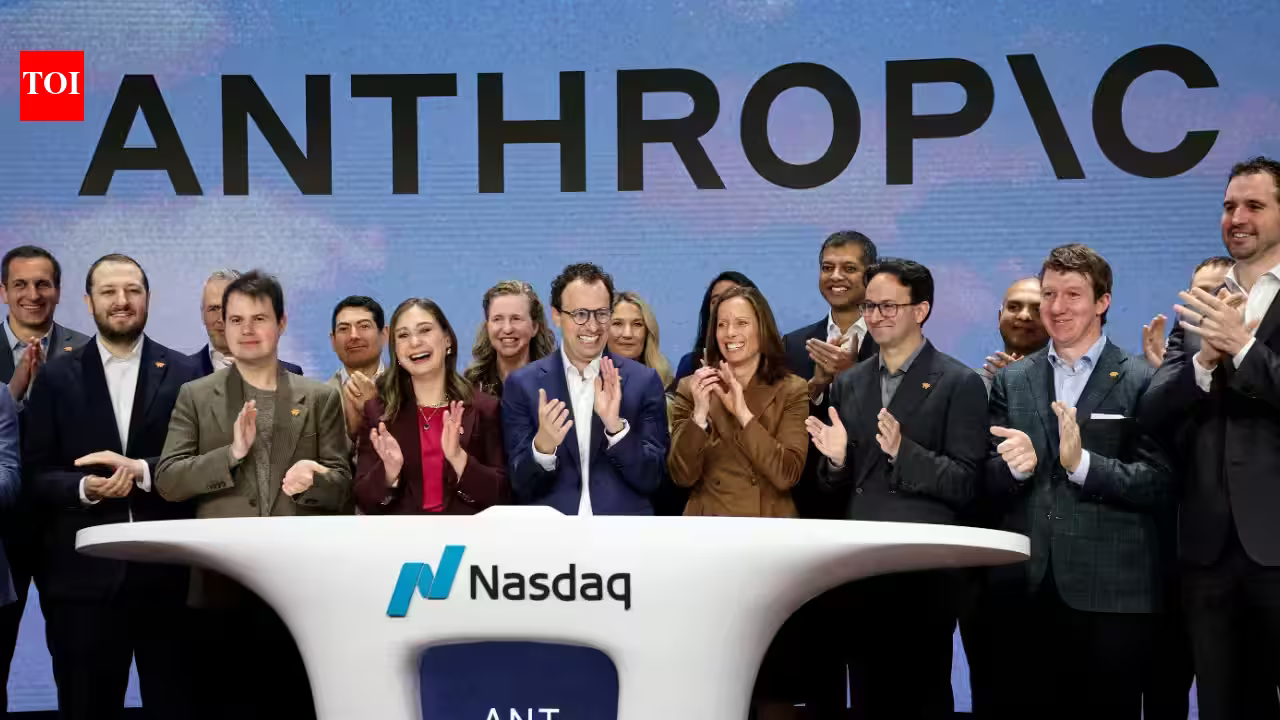
The recent exclusion of Chinese and Hong Kong-based investors from the IPO of Anthropic, the developer of the Claude AI model, marks a significant shift in how American technology companies approach global capital markets. Following a similar precedent set by SpaceX, this move signals that for firms operating at the frontier of artificial intelligence and national security, the source of investment capital is no longer a purely financial consideration. It has become a matter of regulatory compliance, corporate strategy, and geopolitical maneuvering.
In the current landscape, AI development is tethered to national security concerns. Because Anthropic, SpaceX, and OpenAI develop technologies with dual-use potential—meaning they can serve both civilian and defense purposes—their interaction with foreign capital is under intense scrutiny from regulators in Washington. By proactively barring investors from specific regions, these companies are not only mitigating the risk of future regulatory intervention but also safeguarding their intellectual property and operational autonomy.
The Convergence of Technology and National Security
The core logic driving these exclusions is the prevention of technology leakage. Advanced AI models require massive computational power, primarily delivered through sophisticated semiconductor chips, and rely on vast datasets that often intersect with sensitive infrastructure. When an entity from a strategic rival nation acquires an ownership stake in a company developing such technology, it creates a potential vulnerability. Even without direct access to source code, a shareholder may gain insights into corporate strategy, infrastructure dependencies, and future development roadmaps.
For the US government, restricting Chinese access to domestic AI innovation is a priority. The rationale is to maintain a technological edge that ensures dominance in future economic and military arenas. By limiting the involvement of Chinese capital, US companies are aligning themselves with the Biden and Trump-era mandates that aim to decouple the two nations’ high-tech ecosystems. The fact that these companies often count the US government as a client makes this alignment not just beneficial, but likely a prerequisite for continued federal cooperation and contract eligibility.
Impact on Global Financial Markets and Liquidity
The exclusion of large, liquid markets like China and Hong Kong from major IPOs has broader implications for the global financial ecosystem. Historically, technology companies sought global investment pools to maximize the price discovery process and ensure high demand for shares. By voluntarily narrowing the pool of eligible investors, these firms are essentially sacrificing short-term capital breadth for long-term strategic stability.
This fragmentation of capital markets creates a “two-tier” system for tech companies. On one hand, there are firms that prioritize global reach and inclusive investor bases, often operating in consumer-facing sectors where national security sensitivities are low. On the other, the “AI bigfoot” cohort is increasingly forced to restrict their investor profile to allies or neutral jurisdictions. For the Indian market, this presents a nuanced scenario. As India strengthens its bilateral technology ties with the United States—exemplified by initiatives like the Initiative on Critical and Emerging Technology (iCET)—there is an opportunity for domestic institutional investors and sovereign wealth funds to position themselves as reliable, strategic partners for these American AI giants.
The US-China Balancing Act and Corporate Strategy
The diplomatic theater between Washington and Beijing frequently focuses on creating an “open ecosystem,” yet the underlying reality remains one of fortification. Despite high-level meetings between world leaders aimed at stabilizing the economic relationship, the bureaucratic and legal barriers surrounding the technology sector are hardening. Anthropic’s decision to exclude Chinese investors occurred while trade tensions were being actively negotiated, proving that corporate boards have ceased waiting for political consensus before implementing defensive measures.
For a company like Anthropic, the cost of being perceived as a conduit for technology transfer to a rival power could be catastrophic. The threat is not just limited to market access; it involves the potential loss of US government contracts and the risk of being placed on export control lists. Consequently, these companies are adopting a “security-first” investment strategy. By drawing these red lines, they reduce the likelihood of being caught in the crossfire of retaliatory measures. Beijing’s warnings of countermeasures demonstrate that this is a zero-sum game; for every restriction imposed by the US, China is incentivized to accelerate its own domestic efforts, creating a bifurcated global AI landscape.
Lessons for the Indian Business Context
The developments surrounding Anthropic and SpaceX hold profound lessons for the burgeoning Indian technology sector. As India seeks to build its own sovereign AI capabilities and attract global venture capital, it must navigate the same geopolitical tensions that define the US-China relationship. For Indian startups and tech firms, the lesson is clear: capital is never neutral.
Indian firms looking to raise capital from international markets must consider the geopolitical implications of their ownership structure. While India currently maintains a more balanced stance in global diplomacy compared to the United States, its commitment to developing a robust, home-grown AI ecosystem means that as domestic companies scale, they may face similar pressures to clarify their investor profiles.
Furthermore, the exclusion of Chinese capital from US AI firms may inadvertently lead to a redirection of that liquidity toward emerging markets. India stands to gain from this shift, provided it can demonstrate a stable and transparent regulatory environment. The Indian business community is observing how US companies navigate the trade-off between market size and security; this serves as a blueprint for Indian firms as they prepare to scale and potentially list on international exchanges.
In conclusion, the decision by companies like Anthropic to wall off their shareholder base is a harbinger of a new era in corporate governance. In this environment, the “where” of an investor is just as significant as the “how much” of an investment. As the competition for AI supremacy intensifies, the intersection of finance and national interest will continue to reshape the global investment landscape, forcing companies to make difficult choices that prioritize sovereign-aligned security over pure financial maximization.
Disclaimer: This content is auto-generated for informational purposes only.
Source: Read Original News