








The Indian film industry has long operated under a set of unwritten, ironclad rules. For decades, the gospel of the box office has preached a simple formula: to conquer the theaters, you need a massive marketing war chest, an A-list star whose face is plastered on every billboard from Mumbai to Manhattan, and the institutional backing of one of the “Big Five” production houses.
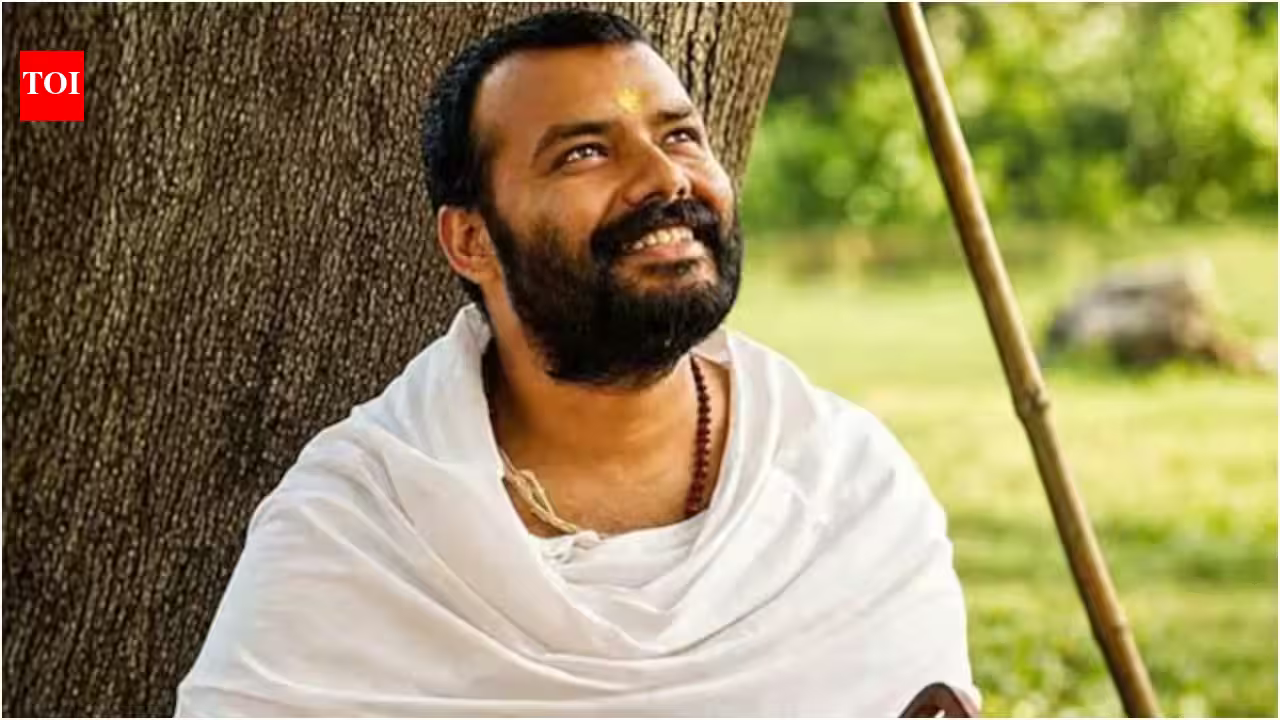
Then came Vishal Chaturvedi’s Hanuman Ansh.
A spiritual drama rooted in the venerated life of Neem Karoli Baba, the film didn’t just tick the boxes of a sleeper hit—it bulldozed through them. With a staggering global box-office haul exceeding Rs 450 crore, Hanuman Ansh has become the year’s most inconvenient truth for the traditional gatekeepers of Bollywood. As the film prepares for its digital transition onto streaming platforms this November 27, the director is finally pulling back the curtain on the strange, icy silence he’s encountered from the very studios that pride themselves on championing cinema.
How ‘Hanuman Ansh’ Broke the Big Star, Big Budget Theory
For years, the industry’s narrative has been cynical. “The audience only wants spectacle,” they said. “The medium-budget film is dead,” they insisted. According to these architects of the status quo, theater-going was strictly reserved for “event cinema”—the kind that requires a year-long hype cycle and a nine-figure budget to even register on the public’s radar.
Vishal Chaturvedi, however, was playing a different game. Speaking recently to Screen, the director reflected on how his film dismantled these long-standing myths. “Theatre is an event place,” Chaturvedi admits. “When an event film comes, it works. That was the norm I’ve been hearing—that only these kinds of films succeed and the rest are destined to struggle. But our film proves all those theories wrong.”
What Hanuman Ansh accomplished was a reclamation of cinema as a “people’s medium.” In an era where algorithms, paid social media trends, and hyper-curated critic circles often attempt to dictate what the public should find entertaining, Chaturvedi’s film surged forward on something far more powerful: word-of-mouth. He argues that the decision-making power has finally shifted away from the ivory towers of PR agencies and back to the viewer. When the audience resonates with a story, the “need” for a celebrity face becomes secondary to the “need” for genuine connection.
The Deafening Silence of the Industry Giants
Despite the numbers—numbers that would usually trigger a frantic scramble for press releases, celebratory social media posts, and “industry success” hashtags—Hanuman Ansh has been met with a peculiar, chilling silence from the established order.
When asked about the reaction of the big production houses following the film’s blockbuster run, Chaturvedi’s response is as measured as it is biting. “I have seen so many official statements after a big film works at the box office,” he observes. “But because ours is a small film, a first-time director’s project, I didn’t see any statement from any big production house. Not even one. That’s very surprising.”
It is, indeed, a glaring omission. When an independent, spiritual project outperforms major studio slates, one would expect the industry to celebrate the health of the ecosystem. Instead, the silence suggests a deeper, systemic anxiety. If a spiritual drama about a saint can generate hundreds of crores without a corporate machine behind it, what does that mean for the traditional studio model?
Chaturvedi isn’t bitter, though he is observant. He notes that while the corporate giants have stayed mum, the praise from genuine individuals has been loud. “When people meet me, they speak volumes about the film,” he shares. He credits the few with “big hearts” who recognized the film’s merit publicly—names like Varun Dhawan and cricketing icon Virendra Sehwag. It seems that while the boardrooms were quiet, the real world was watching, and they were talking.
A Legacy in Limbo: The Sequel and Production Woes
Success, it appears, brings its own set of complications. While the triumph of Hanuman Ansh has cemented Chaturvedi’s reputation as a filmmaker who understands the pulse of the Indian audience, the path forward is currently obstructed by the messy reality of the business side of filmmaking.
Chaturvedi had originally envisioned a sprawling franchise, confirming that a sequel was in development along with an additional devotional project. However, the momentum has been hampered by a series of internal disputes among the film’s producers: Anupriya Nagar, Vishal Chaturvedi himself, Ragini Sona, and Namrata G Singh.
As is often the case with unexpected “runaway hits,” the question of how to handle the sudden influx of wealth and fame can break even the most promising partnerships. Fans of the film—who have been vocal on social media about wanting to see the story continue—are now left wondering if the internal fractures within the production team will deprive them of the planned expansions. For now, the legal and financial tug-of-war has effectively stalled the franchise, a stark reminder that even when a film succeeds at the box office, it still has to survive the politics of the boardroom.
The Digital Future and the Changing Tide
As Hanuman Ansh makes its way to OTT platforms on November 27, it enters a new arena where its success can be quantified by a different metric: viewership hours and engagement. For a film that already defied the odds on the big screen, the transition to streaming serves as a final test of its cultural staying power.
The success of this film is a wake-up call. It suggests that Indian audiences are hungry for stories that feel authentic and spiritual, rather than just polished and expensive. It is a win for the underdog, and perhaps more importantly, a win for the narrative that quality and sincerity—not just marketing muscle—still reign supreme.
Whether or not the sequel sees the light of day, Vishal Chaturvedi has already achieved something far more lasting than a record-breaking opening weekend. He has proven that the audience is not a monolith, and they are capable of choosing their own heroes. As for the big studios who kept their silence? They may soon find that the industry has moved on, with or without their approval.
Disclaimer: This content is auto-generated for informational purposes only.
Source: Read Original News