







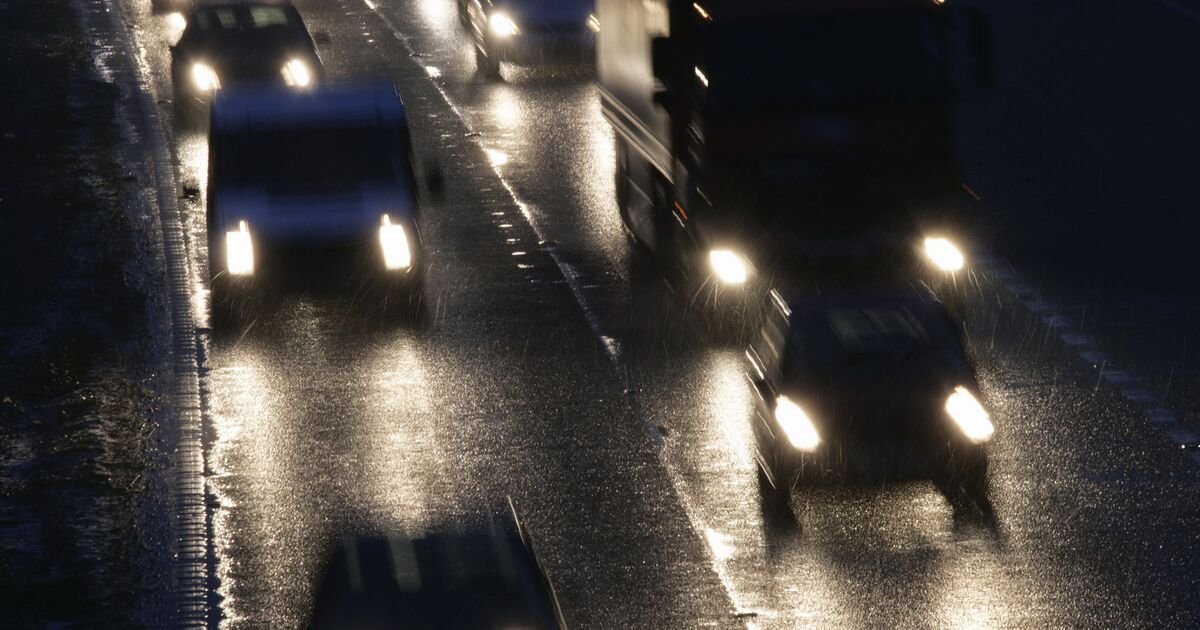
Driving at night should be a peaceful experience, yet for many, it has become a source of genuine stress. If you have ever felt temporarily blinded by the intense white light of a vehicle approaching from the opposite direction, you are certainly not alone. Recent reports suggest that nearly all UK drivers have felt distracted or dazzled by oncoming headlights, leading the government to finally step in with new regulations.
The Department for Transport has confirmed that by September 2027, all new vehicles sold will be required to feature automatic headlight levelling systems. This is a significant win for road safety, ensuring that even as your car carries different loads—such as passengers or luggage—your headlights will adjust to remain at the correct level, preventing that annoying and dangerous glare for other motorists.
Understanding the Problem with Modern Glare
Why has driving at night suddenly become so much more challenging? The rise of LED technology is the primary culprit. While these lights are incredibly efficient and provide excellent illumination for the driver behind the wheel, they emit a harsh, concentrated beam that can be overwhelming for those traveling in the opposite direction.
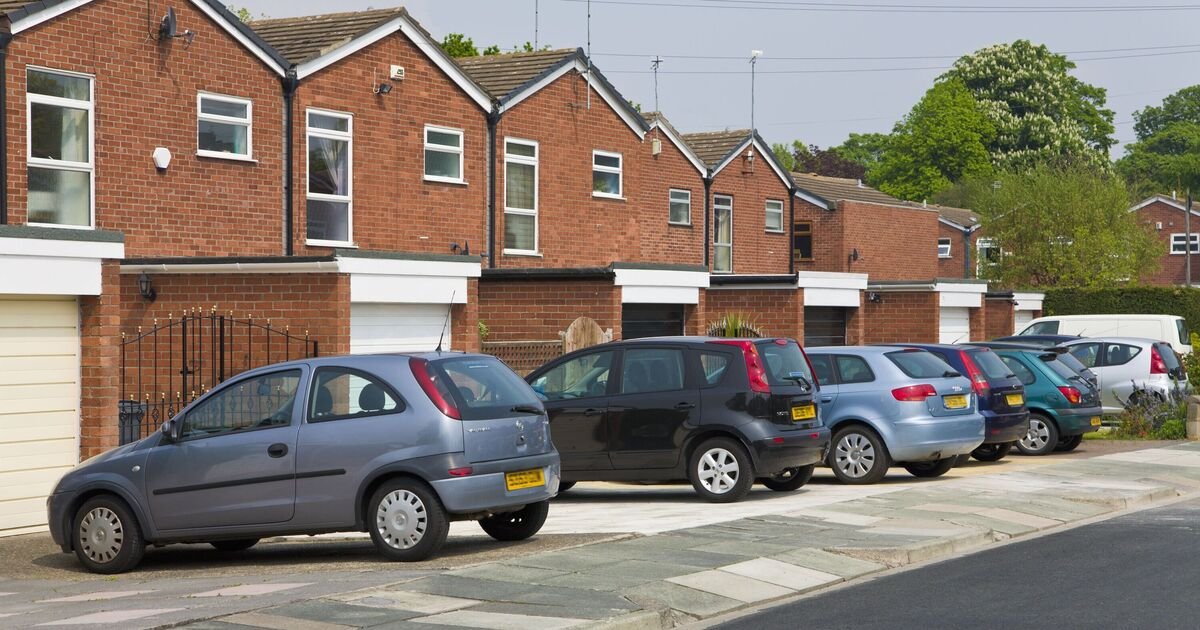
Furthermore, the design of modern vehicles plays a significant role in this phenomenon. Larger vehicles, particularly SUVs, sit much higher off the ground than traditional hatchbacks or sedans. This elevated position means their lights are naturally pointed closer to the eye level of drivers in lower-sitting cars, creating a perfect storm for glare. It is a classic case of modern technology improving the experience for one person while inadvertently creating a hurdle for another.
Tips for Navigating Nighttime Driving
While we wait for the 2027 legislation to roll out, we still have to get from point A to point B safely. If you find yourself frequently startled by bright lights, there are a few practical habits you can adopt to keep your focus sharp and your journey comfortable.
First, adjust your mirrors. Most interior rearview mirrors have a small tab at the bottom that allows you to flip them into a night setting. This simple tilt helps to dim the lights behind you without losing visibility. Secondly, pay attention to where you look. Avoid staring directly into the glare of an oncoming car. Instead, shift your focus slightly toward the left side of your lane or the road markings. This keeps you moving in the right direction without exposing your eyes to the full intensity of the oncoming beams.
Prioritizing Eye Health for Drivers
Your physical well-being is just as important as your vehicle’s technology. If you struggle with night driving, it might be time to book an eye exam. Sometimes, what feels like an intense glare is actually exacerbated by subtle vision issues, such as undiagnosed astigmatism or cataracts, which can cause light to scatter or create halos in your field of vision.
Ensuring your prescription is up to date is vital. If you wear glasses, consider asking your optometrist about anti-reflective coatings. These are designed to reduce the bouncing of light, which can make a noticeable difference when facing high-intensity LED sources on dark, wet roads. Taking care of your eyes ensures you are better equipped to handle the demands of modern road environments.
Maintaining Your Vehicle Lights
Beyond waiting for new laws, every driver has a responsibility to ensure their own vehicle lighting is in top shape. If you suspect your headlights are pointing too high, you can check them against a wall at night. If the beam looks incorrect, a simple trip to a garage for a realignment can save you and others a lot of trouble.
Additionally, be mindful of illegal modifications. There is a growing crackdown on the sale of non-compliant retrofit bulbs. While a brighter bulb might seem like a good idea for visibility, if it is not legally certified for your specific light housing, it can scatter light dangerously and result in heavy fines. Sticking to manufacturer-approved lighting keeps you compliant and keeps the road safer for everyone.
As we look toward the 2027 update, it is encouraging to see that technology is moving in a direction that prioritizes comfort and safety. Until then, staying mindful, keeping your mirrors adjusted, and ensuring your own lights are correctly aligned will help keep your nighttime travels stress-free. Driving is meant to be a smooth part of your day, not an endurance test, so stay aware and keep your focus on the path ahead.
Disclaimer: This content is auto-generated for informational purposes only.
Source: Read Original News