









The Hidden Cost of Going Green
Switching to an electric car feels like a fantastic step toward a more modern, sustainable life. It is quiet, smooth, and feels great to skip the petrol station entirely. However, if you are looking into making the jump, you might have noticed a growing divide in the motoring world that has nothing to do with how fast your car can go. It has everything to do with where you park when the sun goes down.
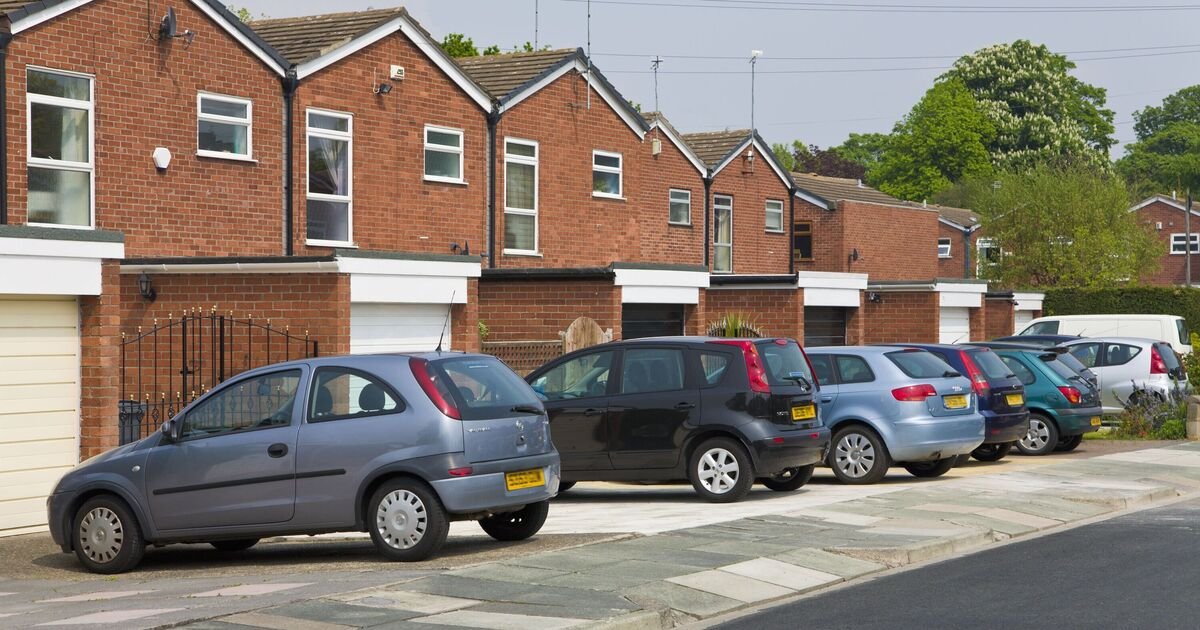
Recent data highlights a frustrating reality: owning an electric car is significantly cheaper if you own a driveway, but it can be a financial hurdle for those who rely on public infrastructure. The math is simple but jarring. Home chargers benefit from lower VAT rates and smart overnight tariffs that can drop costs to pennies per mile. Conversely, relying on public charging bays means paying a 20 percent VAT premium, turning what should be a savings-heavy lifestyle choice into an unexpectedly expensive monthly bill.
The Gap Between Home and Street Charging
The difference in cost is not just a few pounds here and there; it is substantial. When you charge at home on a smart tariff, you might be looking at costs as low as 7p per kilowatt-hour. For the average driver covering 10,000 miles a year, this comes out to roughly £175 annually. That is incredibly efficient.
Now, compare that to the reality of public charging. Drivers using these bays often pay 45-50p per kilowatt-hour. Over the same 10,000 miles, that bill jumps to over £1,100. That is a difference of nearly £1,000 every single year. It creates a situation where the luxury of having a private parking space translates into significant long-term savings, while those living in social housing or apartment blocks without dedicated off-street parking end up carrying the heavier financial burden. It is a classic case of the system accidentally favoring those who are already in a more stable property situation.
Navigating Landlord and Infrastructure Hurdles
Even if you have a patch of land, the process of setting up a charger is not always straightforward. For those in social housing or rented accommodation, the hurdles multiply quickly. Installing a dedicated charger requires permission from landlords, which can lead to complex negotiations regarding building modifications.
Many buildings simply aren’t equipped for the necessary electrical upgrades. Retrofitting older properties for EV charging is often messy, costly, and technically challenging. When you add the risk of a landlord simply saying no, the dream of easy charging fades fast. For many renters, the infrastructure simply does not exist, leaving them with no choice but to use expensive public chargers, regardless of their desire to save money or live more sustainably.
Why Public Policy Needs to Pivot
Industry leaders and automotive experts have been vocal about this inequality. It is clearly unfair that someone’s bank balance or housing status dictates how much they pay for the same energy used for the same purpose. There has been a push to harmonize the costs, specifically calling for the reduction of VAT on public charging to match the domestic rate.
While the government has acknowledged the need for change, progress is slow. The goal is to ensure that everyone, regardless of their living situation, can access fair electricity prices at local charge points. Until that policy catches up with reality, the “driveway divide” remains a genuine roadblock for many potential EV owners. If you are currently browsing for a new car, it is worth crunching the numbers carefully based on your specific parking situation rather than just looking at the manufacturer’s efficiency claims.
Making the Best of Your Situation
If you find yourself on the wrong side of this divide, don’t feel like the transition to electric is impossible. It just requires a bit more strategic planning. Start by researching local charging apps that offer loyalty schemes or membership discounts. Some local councils provide specialized residential permits or discounted rates for street charging that aren’t immediately obvious.
It is also worth advocating for local change. Many residents have successfully lobbied their landlords or local councils to install communal chargers in designated bays. By raising awareness of the cost discrepancy, you might find that you aren’t the only person in your neighborhood feeling the pinch. Change is coming, even if it is arriving slower than we would like. Until then, stay informed, compare your charging tariffs, and keep an eye on your monthly usage to ensure you aren’t overspending while waiting for the playing field to level out.
Disclaimer: This content is auto-generated for informational purposes only.
Source: Read Original News